The Vineyard Year · February
February in the Cape Winelands
Harvest in Full Swing
February is one of the most exciting months in the Cape Winelands. The grape harvest reaches its busiest period, wine cellars come alive with activity, and winemakers begin transforming freshly picked grapes into the year's new vintage. For visitors curious about how wine is actually made, this is arguably the most revealing month to visit.
Section A
Why This Month Matters
February matters because it is the month when the Cape's identity as a winemaking region is most visibly forged. The sheer scale and intensity of activity — pre-dawn harvesting, continuous fermentation, round-the-clock cellar logistics — represents the culmination of an entire year's vineyard work. Every decision made during these weeks, from pick dates to fermentation temperatures, is locked into the character of the vintage. It is the month that tests a winemaker's skill and stamina most severely.
Section B
What's Happening in the Vineyards?
February is when harvest activity is at its most intense. Many white grape varieties are picked during this month, including Chenin Blanc — South Africa's most widely planted white variety — along with Sauvignon Blanc and Chardonnay. The timing of each pick depends on the grape variety, the vineyard site and the style of wine being made: a Sauvignon Blanc intended for a crisp, aromatic wine will be picked earlier than one destined for a richer, barrel-fermented expression. Harvest timing is also influenced by weather; if a heatwave is forecast, growers may accelerate picking to ensure grapes do not become overripe on the vine. As in January, much of the harvesting happens during the cooler early hours of the day to protect the freshness and acidity of the grapes. Vineyard crews work long shifts, and the roads between vineyards and cellars carry a steady flow of grape-laden trucks through the pre-dawn and early-morning hours.
Section C
What's Happening in the Cellar?
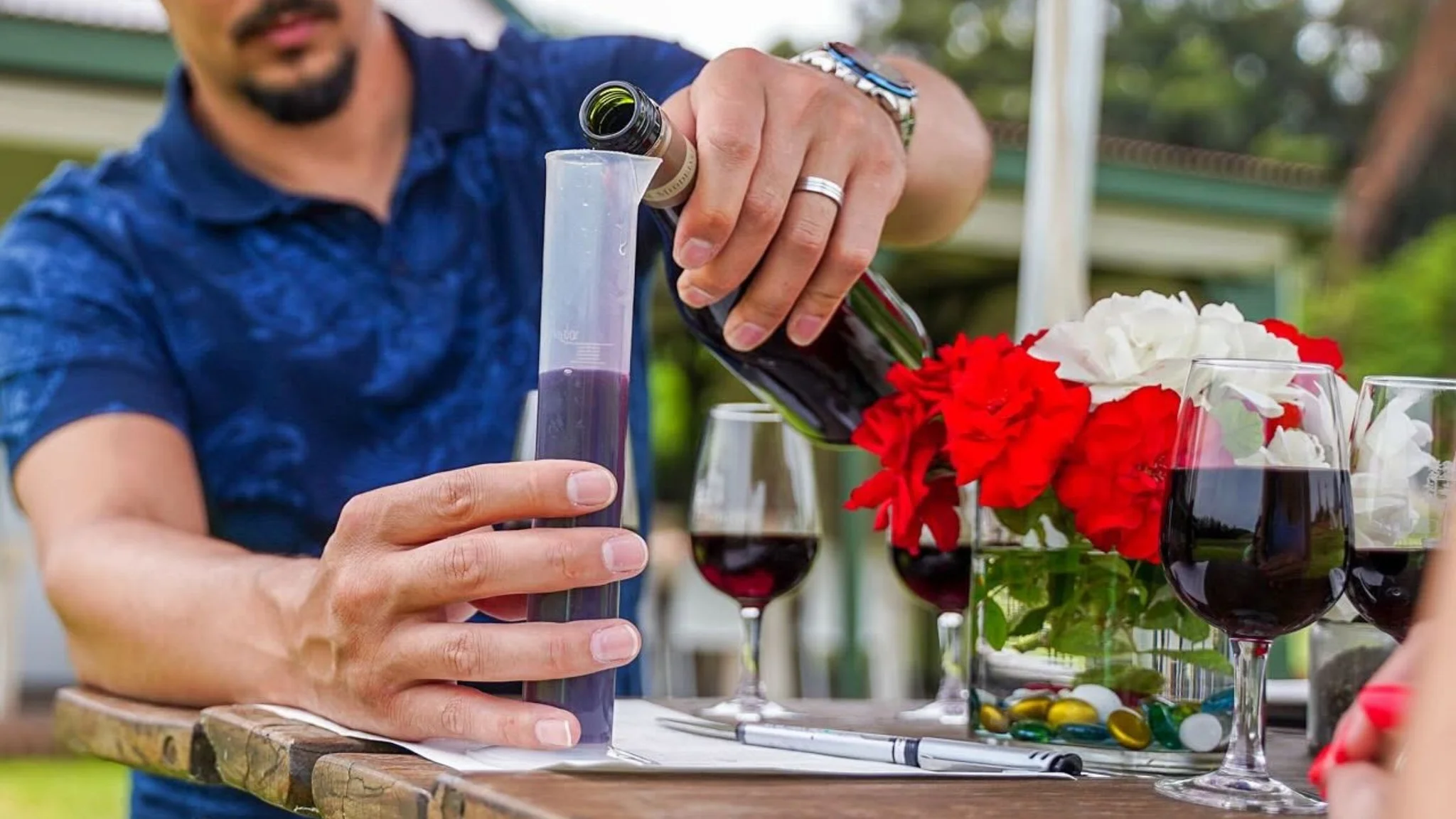
February is when the cellar is at its most dynamic. Freshly harvested grapes arrive at the receiving area and are sorted, destemmed and crushed or pressed. For white wines, the juice is settled and clarified before fermentation. For red wines, the juice ferments in contact with the grape skins, which is where the wine extracts its colour, tannins and many of its flavour compounds. Fermentation is the heart of the winemaking process: yeast — either naturally present on the grapes or added by the winemaker — converts the grape sugars into alcohol and carbon dioxide. This process generates heat, and winemakers manage fermentation temperatures carefully to preserve the desired aromas and flavours. Red wine fermentations are typically warmer than white, and the cap of grape skins that rises to the top of the tank must be kept in contact with the juice through pumping over or punching down. Throughout February, winemakers are exceptionally busy, working long days and making rapid decisions that will shape the character of the new vintage. Visitors who are able to observe cellar activity during this period can see winemaking at its most hands-on and immediate.
Section D
Typical Weather
February brings warm to hot Cape summer conditions. Days are long and sunny, and rainfall is uncommon. The combination of heat and dry weather helps concentrate sugars in the grapes, which is part of what makes February the peak of the white grape harvest. As with January, vineyards nearer to the coast benefit from cooling afternoon breezes that slow ripening and help preserve the acidity that gives Cape white wines their freshness.
Section E
Experiences This Month
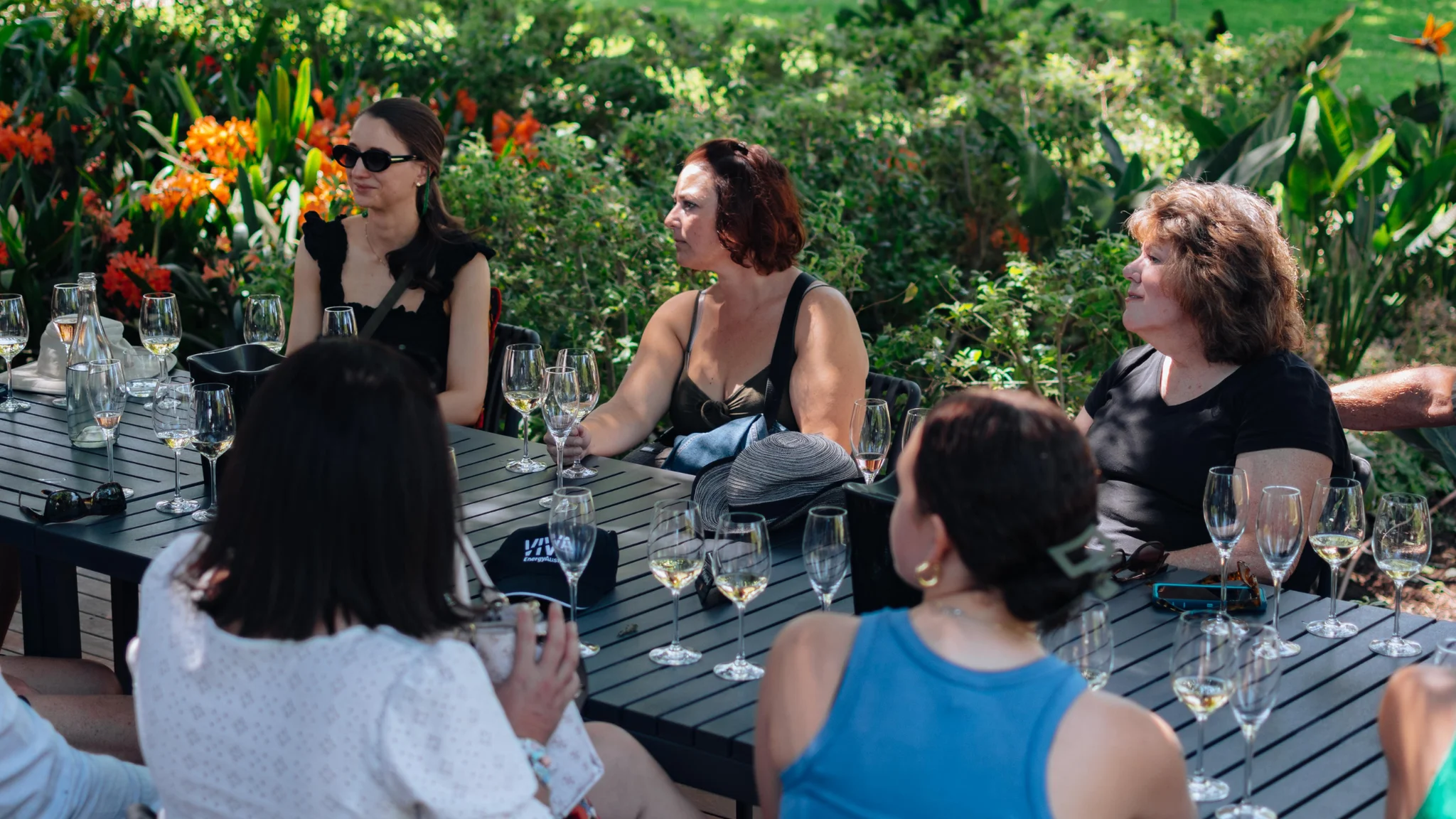
February is particularly rewarding for visitors who want to understand how wine is made. Depending on the estate, harvest-season cellar tours may be available, offering a chance to observe winemaking activity — crushing, pressing and fermentation — at close range. Some estates offer opportunities to learn about fermentation and taste wines that are still developing. It is also a superb month for wine tastings in general, as the energy of the harvest season adds a tangible sense of occasion to any cellar-door visit. Because it is peak season, booking ahead is advisable.
Section F
Why Visit This Month?
For anyone drawn to the craft of winemaking, this is the month to visit. The cellars are at their most active, the scent of fermentation is in the air, and the entire Winelands hums with the energy of a new vintage taking shape. It is a thrilling, immersive time to be in the Cape — the month when the connection between vineyard and glass is most visible and most vivid.
These guides describe typical seasonal patterns in the Western Cape. Exact timing varies between regions, vineyards, grape varieties and weather conditions, and no vineyard follows an identical calendar. Specific experiences, tours and activities are not guaranteed at any particular estate — please check availability before visiting.
Plan Your Visit
Experience the Cape Winelands
Discover wine tours and experiences throughout the Cape Winelands, and let Wine in the Cape help you plan your visit.
No deposit to enquire · we reply within the hour, 7 days a week