The Vineyard Year · January
January in the Cape Winelands
The First Grapes of the New Vintage
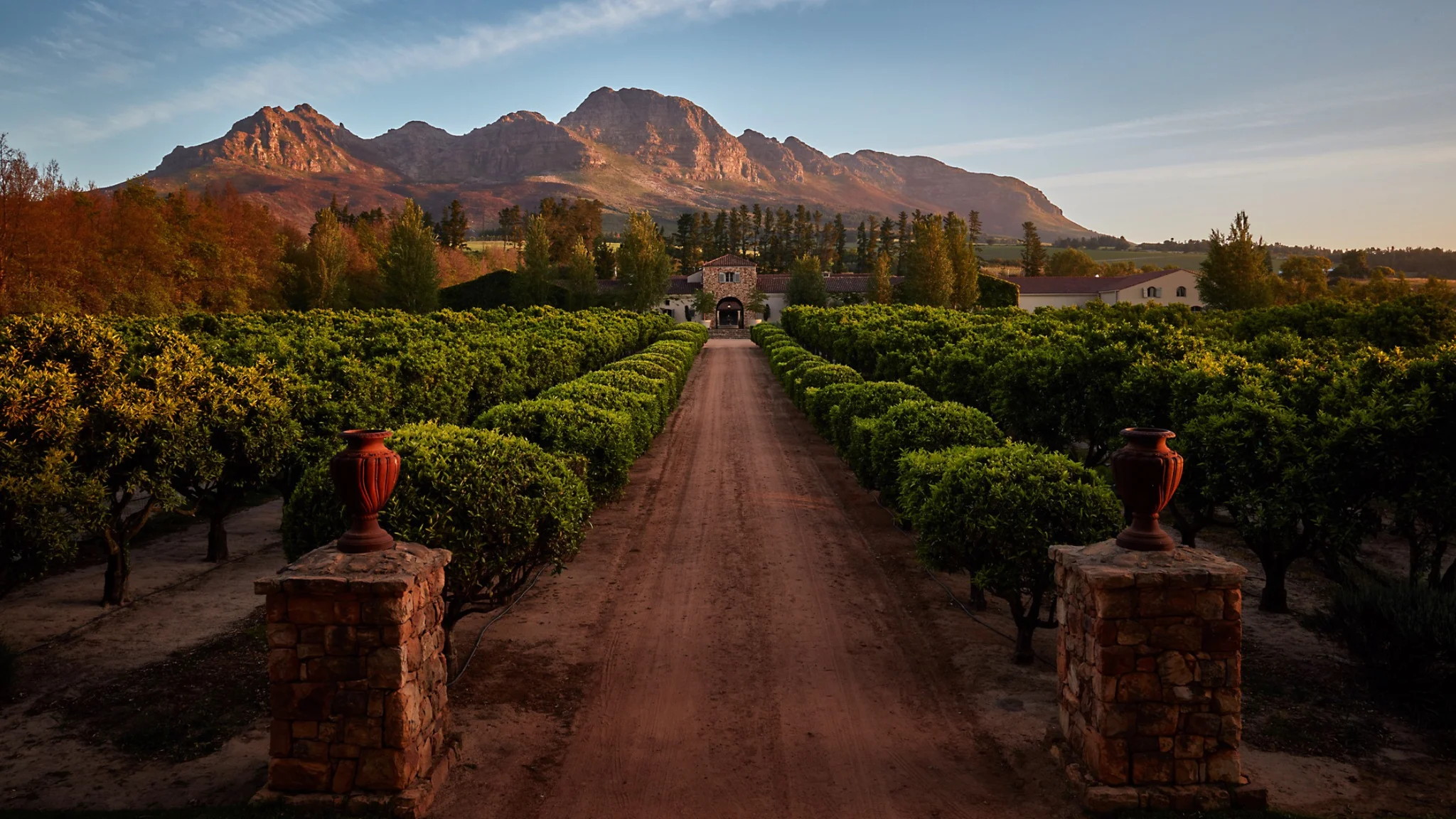
January marks the beginning of the Cape wine harvest season. The vineyards are heavy with developing fruit, the summer sun is strong, and growers carefully monitor grape ripeness. It is a month of anticipation — the quiet months of maturation are over, and the cellars are stirring back to life as the year's first grapes make their way from vineyard to press.
Section A
Why This Month Matters
January matters because it marks the pivot from patience to action in the vineyard year. After months of careful maturation and quiet cellars, veraison signals that the long wait is over and the vintage is beginning to take physical form. The decisions made now — when to start picking, which blocks to harvest first, how to balance sugar and acidity — set the tone for the entire harvest ahead. It is the month when the abstract promise of the growing season becomes tangible fruit in the cellar.
Section B
What's Happening in the Vineyards?
The story of January in the vineyards is the story of veraison — the moment grapes begin to soften and accumulate sugar. For red varieties, this is when the berries shift visibly from green to purple as anthocyanins develop in the skins. Growers walk the rows daily, tasting grapes and testing samples for sugar levels (measured in degrees Brix), acidity and flavour development. Ripening does not happen uniformly: different varieties, vineyard blocks and even individual vines reach maturity at different times, so the harvest is a carefully sequenced operation rather than a single event. The earliest varieties to be picked are often those destined for Cap Classique — South Africa's traditional-method sparkling wine — where grapes are harvested at lower sugar levels to preserve the bright acidity the style demands. Certain Chardonnay and Sauvignon Blanc grapes from warmer vineyard sites may also be picked during January. To protect freshness and acidity, harvesting frequently takes place in the cool early hours of the morning, sometimes before dawn, with grapes rushed to the cellar while still cold.
Section C
What's Happening in the Cellar?
January is when the cellar transitions from its quiet maturation phase back to active production. The first grapes arrive at the receiving area, where they are sorted, destemmed and either crushed (for red wines, where skin contact is desired) or pressed (for most white wines and Cap Classique, where the juice is separated from the skins quickly). For white wines, the juice is settled and clarified before fermentation begins in stainless steel tanks or, for some wines, in oak barrels. For Cap Classique, the base wines are made now — these will later undergo a second fermentation in bottle. Yeast is introduced to the juice to begin fermentation: the yeast consumes the grape's natural sugars, converting them into alcohol and carbon dioxide. Winemakers monitor temperatures closely, as fermentation generates heat that must be managed to preserve delicate aromatics. Throughout January, the cellar is a place of early mornings, careful logistics and the first tangible signs of the new vintage taking shape.
Section D
Typical Weather
January in the Western Cape brings hot, dry and sunny summer conditions. Daytime temperatures regularly climb well into the thirties (Celsius), and rainfall is low. The cooling coastal breezes that reach vineyards nearer to False Bay and the Atlantic coast can have a meaningful influence on vineyard conditions, moderating heat and helping to preserve acidity in the grapes — one reason why vineyards closer to the coast often ripen later than those in warmer inland sites.
Section E
Experiences This Month
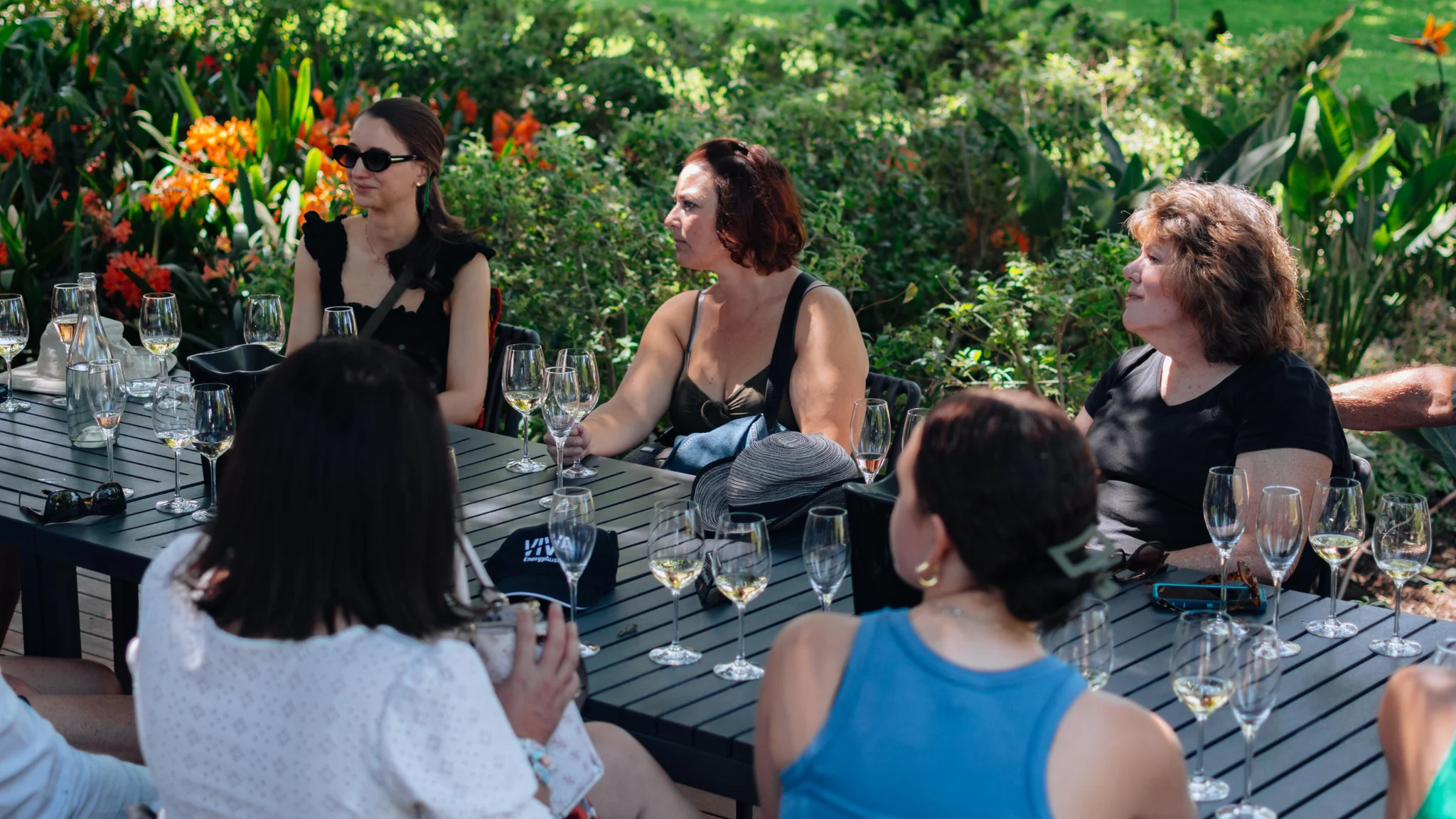
January offers visitors a chance to witness the very beginning of the winemaking year. Depending on the estate, you may be able to join vineyard walks that explain grape ripening and veraison, or observe early harvest activity. It is also a beautiful month for leisurely wine tastings and estate lunches — the long, warm days and golden late-afternoon light make for memorable vineyard scenery. Because the harvest is only just beginning, the cellars are not yet at full intensity, which can mean a more relaxed tasting-room atmosphere than you will find in February.
Section F
Why Visit This Month?
January offers an opportunity to experience the anticipation and early activity of harvest without the peak-season intensity that follows in February. The vineyards are lush and green, the weather is reliably warm and sunny, and there is a genuine sense of a new vintage beginning. It is an excellent month for visitors who want to understand how the winemaking year starts, enjoy long summer days in the vineyards, and experience the Cape Winelands before the busiest harvest crowds arrive.
These guides describe typical seasonal patterns in the Western Cape. Exact timing varies between regions, vineyards, grape varieties and weather conditions, and no vineyard follows an identical calendar. Specific experiences, tours and activities are not guaranteed at any particular estate — please check availability before visiting.
Plan Your Visit
Experience the Cape Winelands
Discover wine tours and experiences throughout the Cape Winelands, and let Wine in the Cape help you plan your visit.
No deposit to enquire · we reply within the hour, 7 days a week