The Vineyard Year · March
March in the Cape Winelands
The Reds & the Sweet
March is often the final major period of the Cape wine harvest. Many white varieties have already been harvested, while later-ripening reds continue coming into the cellar. The season is beginning to turn — days are warm but evenings carry the first hint of autumn coolness, and the pace in the vineyards shifts from the frantic energy of peak harvest to a more measured, deliberate rhythm.
Section A
Why This Month Matters
March matters because it is when the Cape's red wine identity takes shape. The later-ripening red varieties that define many of the region's most celebrated wines — Cabernet Sauvignon, Shiraz, Pinotage — reach the cellar during this month. The art of deciding when to pick reds, balancing sugar, acidity, flavour and tannin ripeness, is among the most consequential judgements a winemaker makes all year. March is also when the first overall assessment of the vintage's character begins to emerge.
Section B
What's Happening in the Vineyards?
March is when the later-ripening red grape varieties are harvested. These include Cabernet Sauvignon, Shiraz, Merlot and Pinotage — South Africa's signature red grape, a cross between Pinot Noir and Cinsault. Many red varieties require additional time on the vine to develop their desired ripeness and character; red grapes are typically picked at higher sugar levels than whites, which translates into wines with more body, colour and tannin structure. The decision of when to pick is one of the most important a winemaker makes, and it depends on the balance of sugar, acidity, flavour and tannin ripeness in the grapes. Some grapes intended for sweet and fortified wines are harvested later still. These may be left on the vine to become concentrated through extended ripening, or in some cases through drying on the vine or the development of noble rot (Botrytis cinerea) — a beneficial fungus that dehydrates the grapes and concentrates their sugars and flavours, producing luscious dessert wines. The exact timing and method varies considerably between varieties, vineyards and vintages.
Section C
What's Happening in the Cellar?
March is the heart of red wine fermentation in the cellar. As with white wines, red grapes are crushed and the juice begins fermentation, but for reds the juice remains in contact with the grape skins throughout fermentation. This skin contact is what extracts the colour, tannins and flavour compounds that define red wine. Winemakers manage this extraction carefully — too little and the wine will be thin and pale; too much and it can become harsh and astringent. Techniques such as pumping over (pumping juice from the bottom of the tank over the cap of skins at the top) and punching down help maintain contact and control extraction. Once fermentation is complete, the wine is pressed off the skins and transferred to tanks or barrels. Young red wines begin developing their character, and some white wines may begin barrel maturation. March is also when winemakers start to evaluate the overall shape of the new vintage — the first assessments of quality and character begin to emerge.
Section D
Typical Weather
March brings warm days with cooler evenings as autumn approaches. The light begins to soften and take on the golden quality that characterises the Cape autumn. Rainfall remains low but the intensity of the summer heat begins to ease, particularly in the evenings, which helps preserve acidity in the late-picked grapes. The shift in temperature between warm days and cool nights is beneficial for red grape ripening, helping to develop complexity while maintaining freshness.
Section E
Experiences This Month
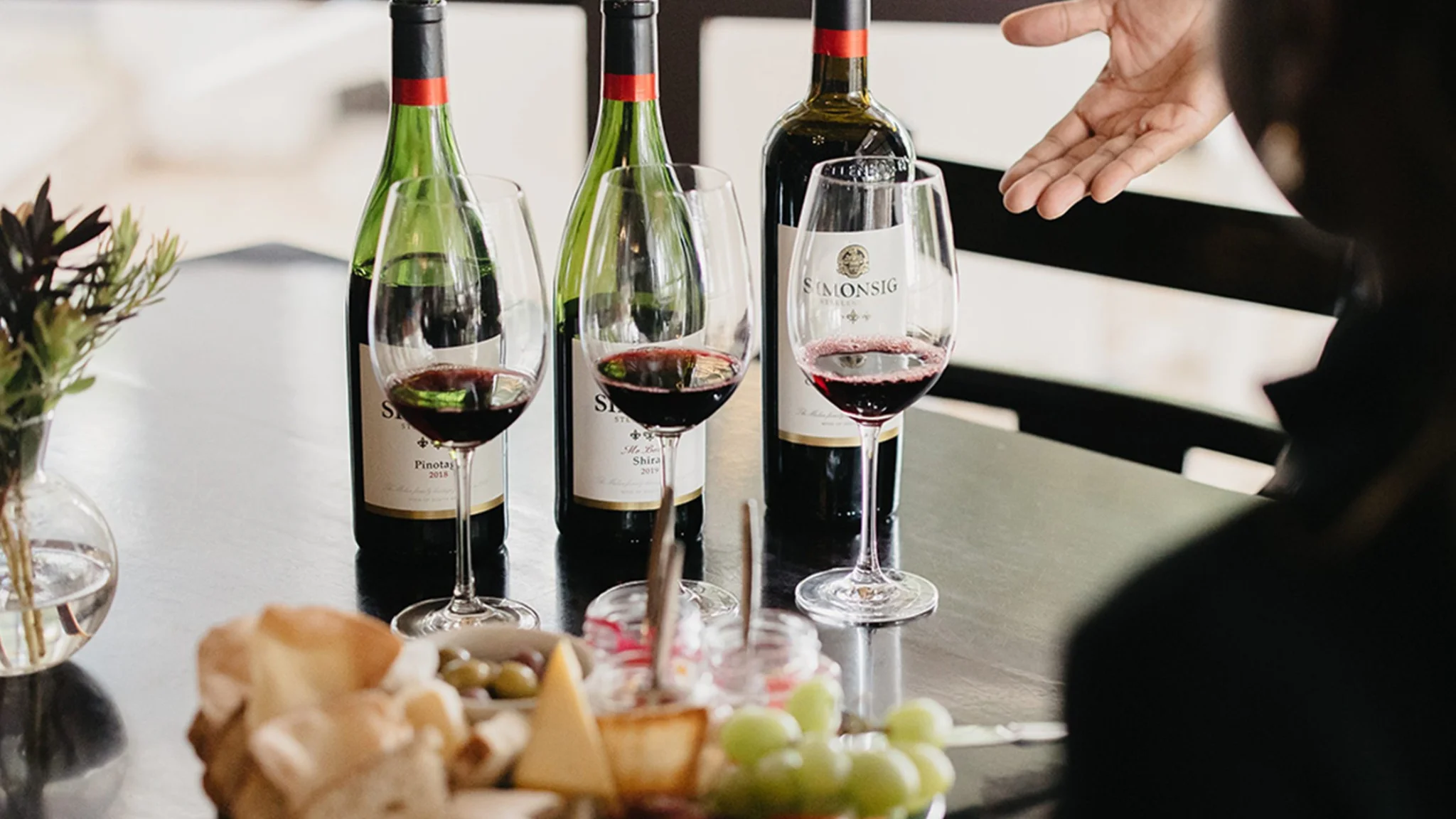
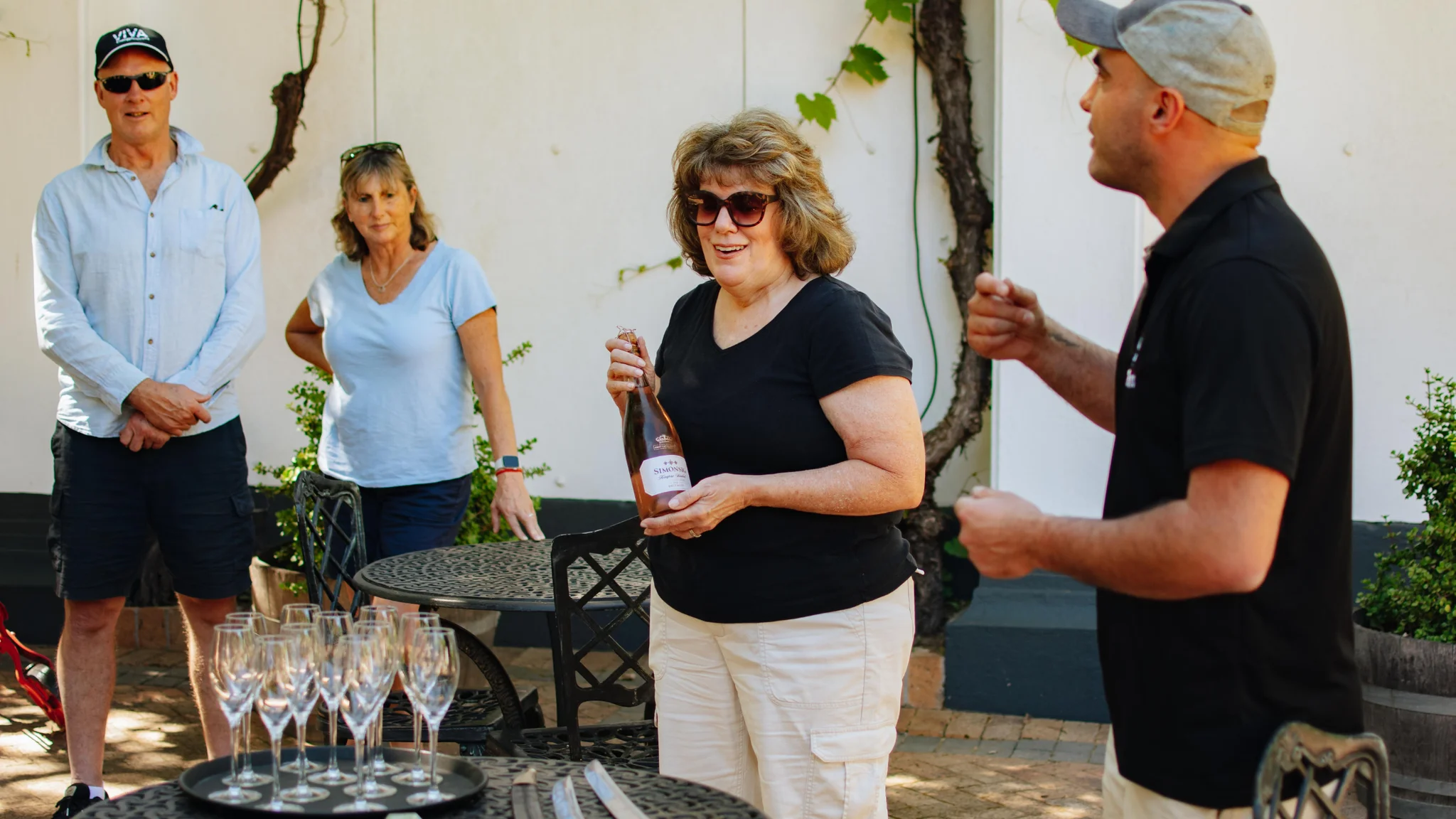
March offers visitors a chance to experience red-wine production and the winding down of harvest season. Depending on the estate, red-wine tastings, cellar tours and selected barrel tastings may be available. It is also a beautiful month for vineyard visits — the light is softer, the crowds thinner than in February, and the first hints of autumn colour may begin to appear in the vine leaves. For visitors who appreciate structured, complex red wines, March is an ideal time to taste and learn about how red wine is made.
Section F
Why Visit This Month?
The pace eases, the light softens, and the cellar's focus shifts to the reds that will define the vintage's structure and longevity. It is a beautiful, transitional month — perfect for those who prefer depth and structure in their glass and a quieter, more reflective tasting-room atmosphere.
These guides describe typical seasonal patterns in the Western Cape. Exact timing varies between regions, vineyards, grape varieties and weather conditions, and no vineyard follows an identical calendar. Specific experiences, tours and activities are not guaranteed at any particular estate — please check availability before visiting.
Plan Your Visit
Experience the Cape Winelands
Discover wine tours and experiences throughout the Cape Winelands, and let Wine in the Cape help you plan your visit.
No deposit to enquire · we reply within the hour, 7 days a week