The Vineyard Year · July
July in the Cape Winelands
The Heart of Pruning
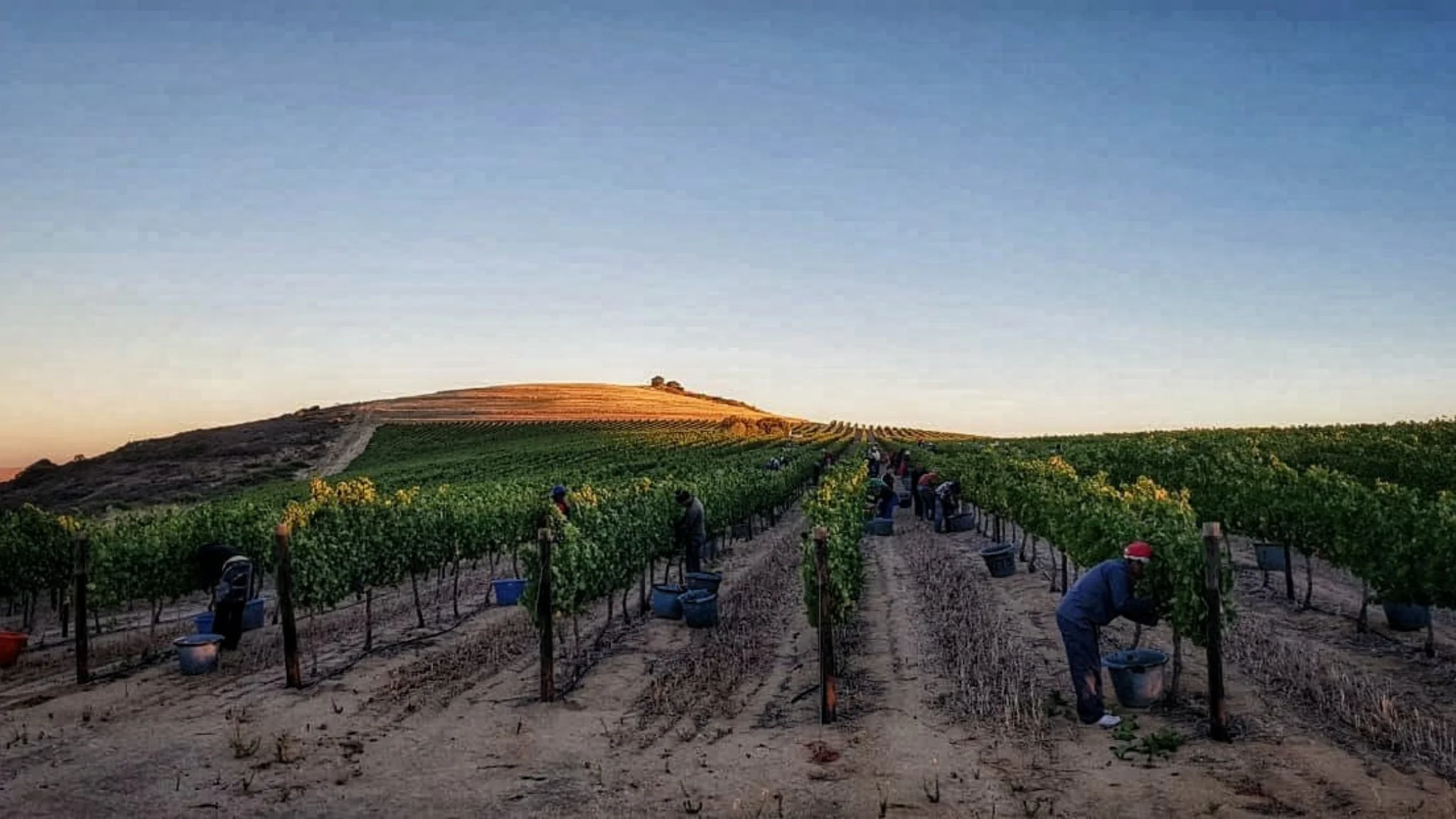
July is the heart of the winter pruning season. The bare vineyards are full of quiet, concentrated activity as skilled workers move through the rows, shaping each vine by hand. It is a month that reveals the craftsmanship and foresight that underpin every bottle of wine — the careful decisions made now will determine the shape, health and yield of the vines for the entire season to come.
Section A
Why This Month Matters
July matters because it is the peak of the pruning season — the period when the fundamental balance of each vine is set for the coming year. The pruner's central challenge is balance: leaving enough buds to produce a healthy crop without overburdening the vine, yet few enough to concentrate the vine's energy into quality fruit. This is not formulaic work. Each vine is assessed individually, and the accumulated skill of the pruner — built over years and seasons — determines the character of the harvest more than any single decision made later in the year.
Section B
What's Happening in the Vineyards?
In July, pruning reaches its busiest period. This is the most skilled and consequential vineyard work of the year. Each vine is assessed individually, and the pruner decides which canes and buds should remain and which should be removed. The retained canes and buds will produce the shoots and fruit of the coming season, so the pruner's decisions directly influence the vine's vigour, the quantity of fruit it carries and the quality of the grapes. Different pruning systems are used depending on the variety, the vineyard site and the grower's approach: some vines are spur-pruned (short canes retained on a permanent cordon), while others are cane-pruned (longer canes retained and tied down). The key principle is that pruning balances the vine: too many buds left and the vine will overcrop, producing many bunches of lower-quality grapes; too few and the vine will grow too vigorously, producing vegetation at the expense of fruit. Pruning is also when the overall structure and health of the vine is assessed — damaged or diseased wood is removed, and the vine's form is corrected for the coming season.
Section C
What's Happening in the Cellar?
In the cellar, July is a quiet month. Wines continue maturing in barrels and tanks. Winemakers may conduct tasting and blending trials — evaluating different components of the vintage and experimenting with how they might be combined to create the final wines. This is thoughtful, analytical work rather than physical production, and it reflects the fact that winemaking is as much about decision-making and judgement as it is about process. The cellar is cool and still, and the pace is unhurried.
Section D
Typical Weather
July brings cold and often wet midwinter conditions. It is the coldest month in the Cape, and rainfall is at its highest. The vineyards are bare and dormant, the cover crops between the rows are green and growing, and the landscape is dominated by the muted tones of winter. Cold fronts bring rain and wind, but they are often followed by crisp, clear days with sharp light and dramatic cloud over the mountains. Snow on the higher peaks is not uncommon.
Section E
Experiences This Month
July offers an opportunity to discover the craftsmanship involved in vineyard management. Depending on the estate, pruning demonstrations may be available — a chance to see skilled pruners at work and to understand the thinking behind each cut. Winter vineyard walks reveal the bare architecture of the vines and the structure of the vineyard in a way that the summer foliage conceals. Relaxed cellar tastings are a feature of the month, and the quiet of the winter Winelands allows for a more personal, conversational tasting experience. It is also a good month for visitors who simply want to enjoy the peace and cosiness of the Cape in winter.
Section F
Why Visit This Month?
It is the most intimate window into how wine begins — the month when the pruner's decisions shape the entire year ahead. For visitors who have ever wondered why a vine looks the way it does, or what happens in the vineyards during the quiet winter months, July is the month to find out. Pair it with a quiet tasting and a warm kitchen, and it becomes one of the most rewarding and revealing months in the vineyard calendar.
These guides describe typical seasonal patterns in the Western Cape. Exact timing varies between regions, vineyards, grape varieties and weather conditions, and no vineyard follows an identical calendar. Specific experiences, tours and activities are not guaranteed at any particular estate — please check availability before visiting.
Plan Your Visit
Experience the Cape Winelands
Discover wine tours and experiences throughout the Cape Winelands, and let Wine in the Cape help you plan your visit.
No deposit to enquire · we reply within the hour, 7 days a week