Acidity in wine is one of the key components that gives it its structure, balance, and refreshing character. Whether you’re sipping a crisp Sauvignon Blanc or a bold Shiraz, acidity in wine plays a vital role in shaping the way it tastes, feels, and pairs with food. In this guide, we explain what acidity is, why it matters, how to identify it in your glass, and what to expect from wines produced in the Cape Winelands of South Africa.
What Is Acidity in Wine?
In simple terms, acidity refers to the level of natural acids present in wine, which come from the grapes themselves and, to a lesser extent, from the winemaking process. Acidity is what gives wine its zest, freshness, and mouthwatering sensation. It’s also what helps balance sweetness and alcohol, making a wine feel lively rather than flat or heavy.
The main types of acid found in wine include:
- Tartaric acid – the primary and most stable acid in wine
- Malic acid – found in green apples; gives a sharp edge
- Lactic acid – smoother, created during malolactic fermentation (especially in Chardonnay)
- Citric acid – present in small amounts, can add a citrus-like tang
How Does Acidity Affect the Taste of Wine?
Acidity contributes more to a wine’s structure and sensation than to its flavour, but it does influence how we perceive other elements such as:
- Sweetness: Acidity balances out sugar in sweeter wines, making them taste less cloying.
- Fruit: High acidity can enhance the perception of fresh fruit flavours.
- Body: Wines with higher acidity tend to feel lighter and crisper.
- Ageing Potential: Wines with good acidity are often more age-worthy.
If a wine feels crisp, tart, or mouthwatering, it likely has noticeable acidity. If it feels flabby or overly soft, it may lack sufficient acidity to feel balanced.
Common Descriptions of Acidity in Wine
Wines with noticeable acidity are often described as:
- Crisp
- Bright
- Zesty
- Tangy
- Refreshing
On the other hand, wines with lower acidity might be described as:
- Soft
- Round
- Flat
- Fat (in wine terms, this often means lacking in freshness)
How Acidity Varies by Wine Style
High-Acidity Wines:
- Sauvignon Blanc
- Chenin Blanc
- Riesling
- Pinot Noir
- Méthode Cap Classique (South African sparkling wine)
Medium-Acidity Wines:
- Chardonnay (especially those that undergo malolactic fermentation)
- Merlot
- Cabernet Sauvignon
Low-Acidity Wines:
- Viognier
- Shiraz from warmer climates
- Some dessert wines
In general, white wines tend to have higher acidity than reds, and cooler climate wines tend to have more pronounced acidity than those from hot regions.
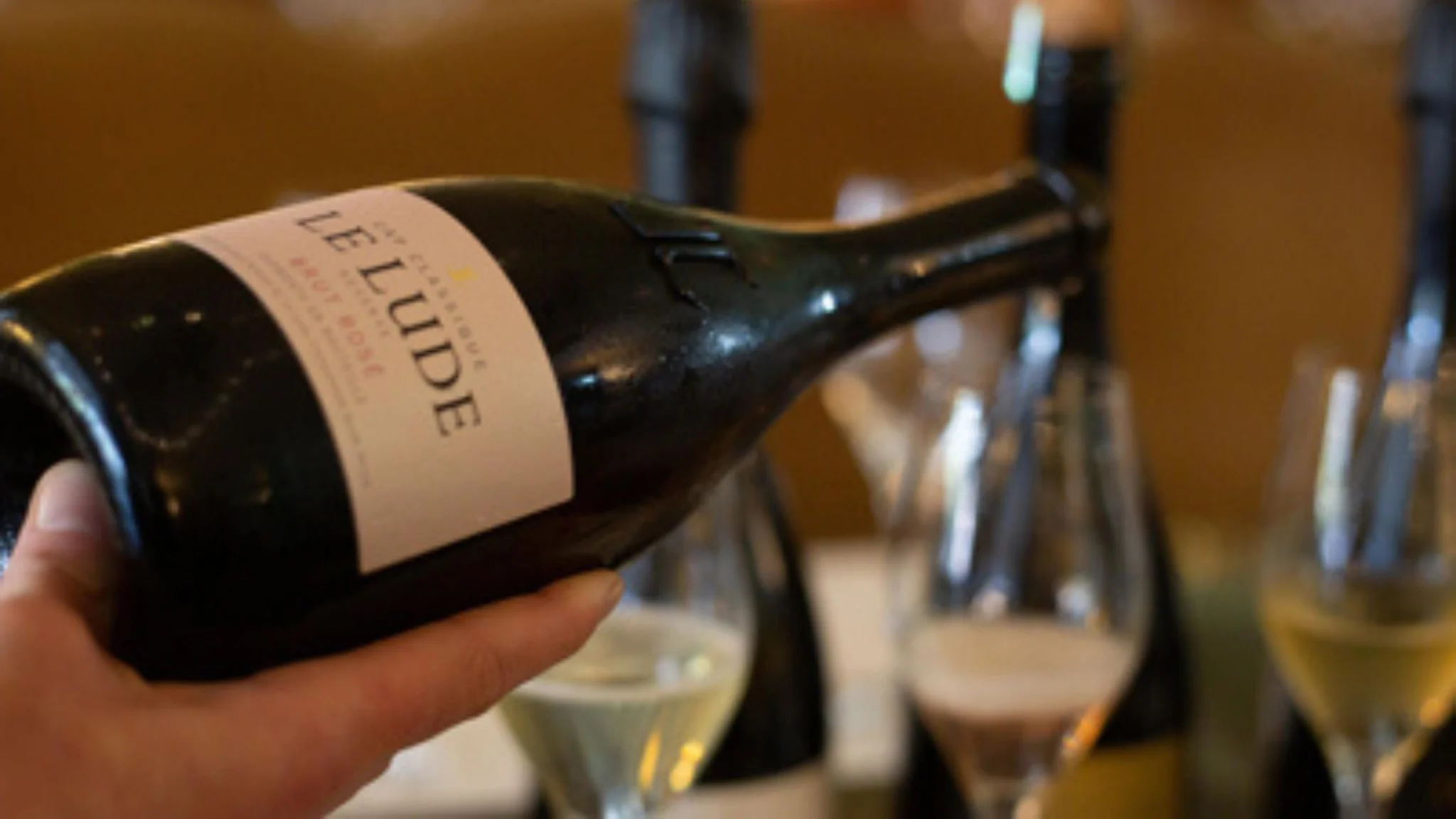
South African Wines Known for Vibrant Acidity
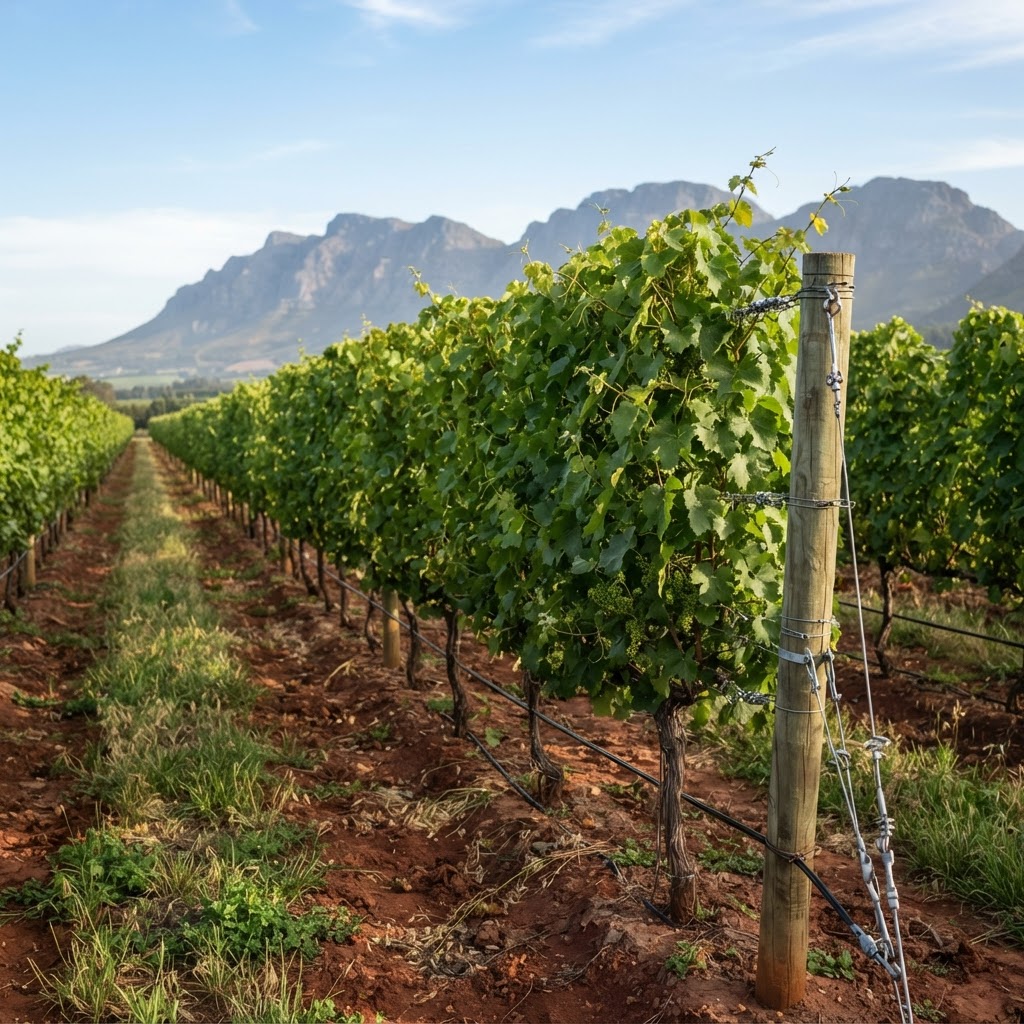
South Africa’s cooler climate regions — such as Elgin, Hemel-en-Aarde, and elevated areas of Stellenbosch — are known for producing wines with fresh, natural acidity.
Look out for:
- Elgin Sauvignon Blanc – Clean, crisp, and citrus-driven
- Chenin Blanc from Stellenbosch – Zesty yet layered, especially from older vines
- MCC Sparkling Wines – Bright and elegant with fine bubbles
- Pinot Noir from Hemel-en-Aarde – Delicate red fruits with fresh acidity
Acidity and Food Pairing
Acidic wines are among the most food-friendly. The natural brightness of high-acid wines can:
- Cut through rich, fatty dishes (like creamy pastas or cheese)
- Complement acidic foods like tomato-based sauces or citrus dressings
- Refresh the palate between bites
Tip: A wine should always be as acidic or more acidic than the dish it’s paired with. If not, the wine may taste dull or flabby.
Final Thoughts
Acidity is one of the most crucial — and often underrated — aspects of wine. It lifts aromas, balances structure, refreshes the palate, and enhances food pairings. Whether you’re enjoying a crisp Sauvignon Blanc on a summer afternoon or a structured Cabernet with your evening meal, take a moment to notice how acidity shapes your experience of the wine.
Want to explore beautifully balanced wines in the Cape Winelands of South Africa? Let Wine in the Cape curate a custom tasting tour through the regions known for their vibrant, high-acid wines.
Contact us at hello@wineinthecape.com
Website: www.wineinthecape.com