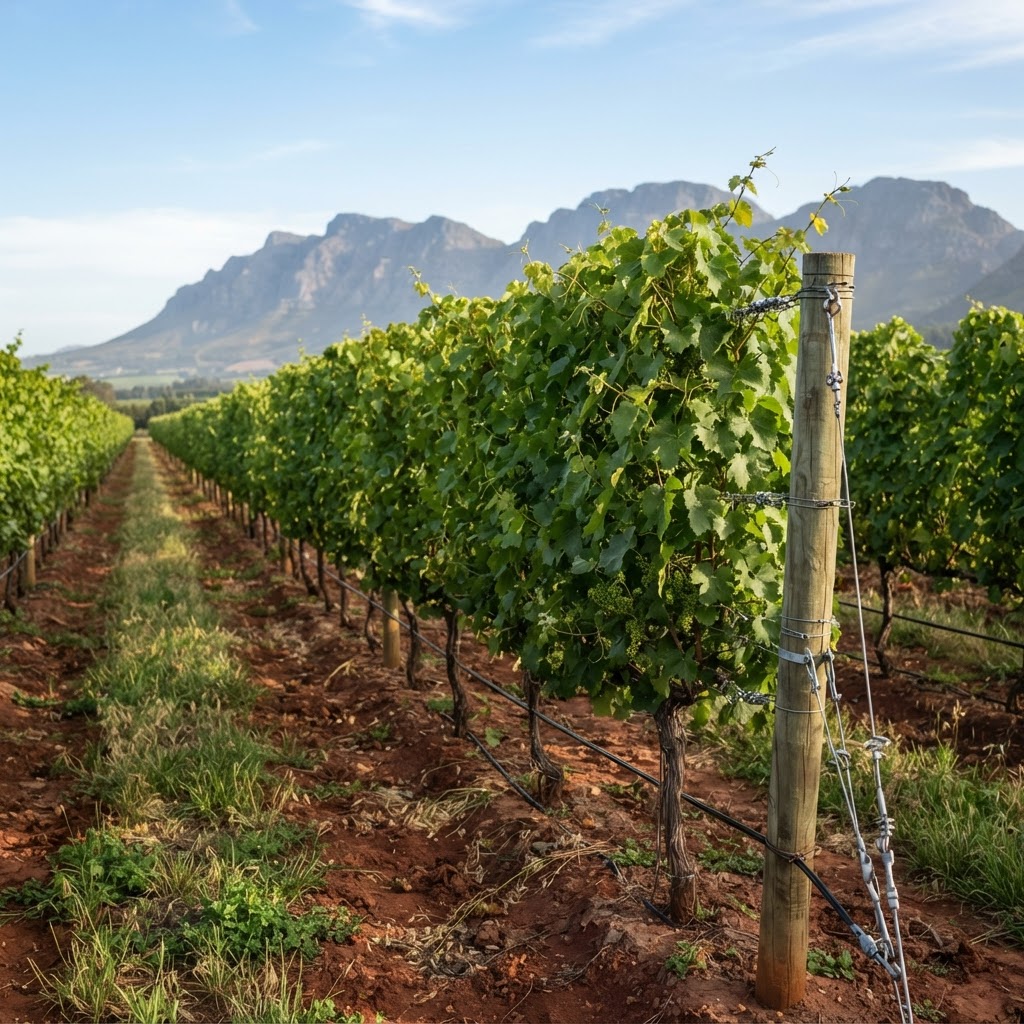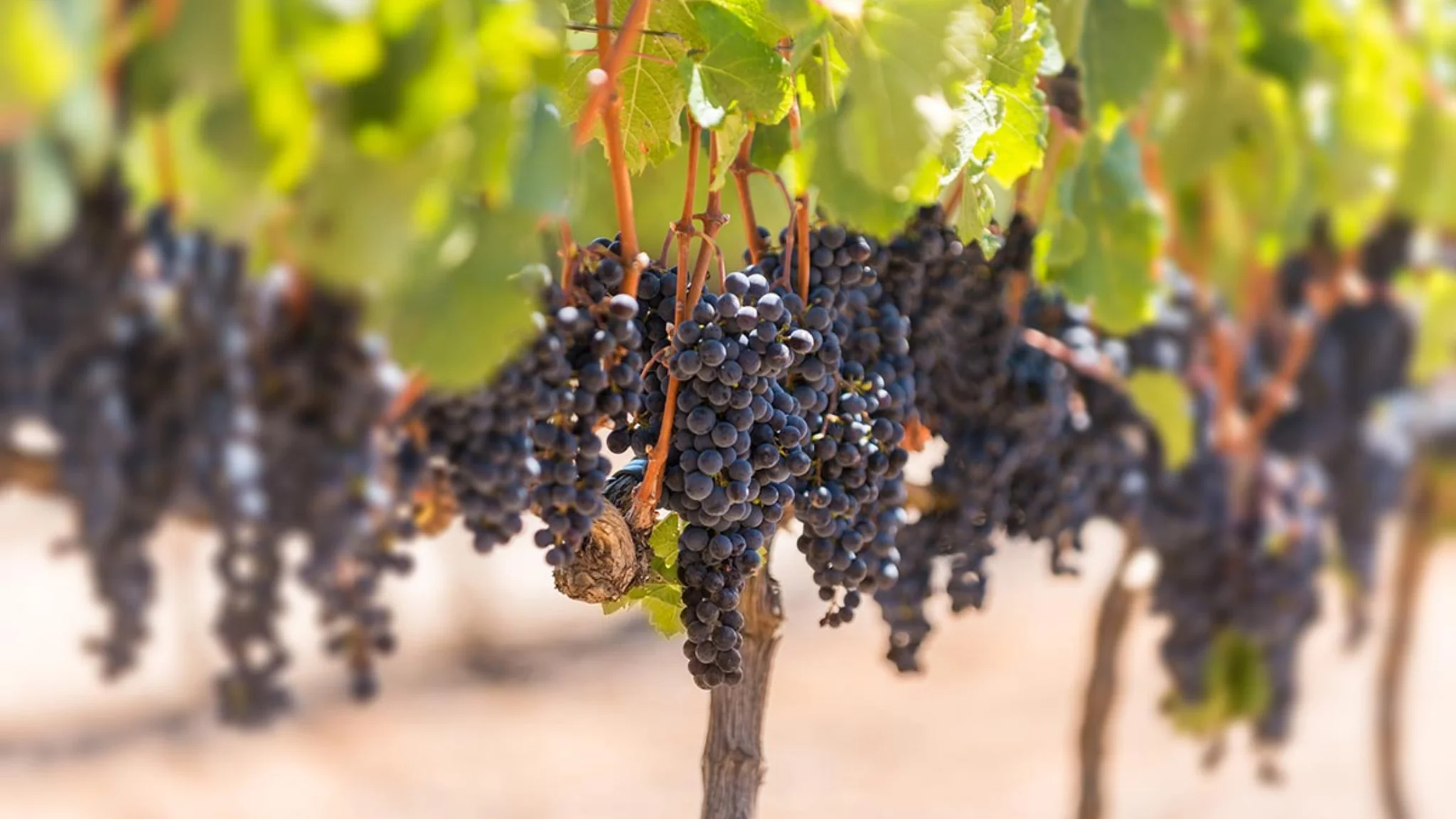
If you’ve ever browsed wine shelves or joined a tasting in the Cape Winelands of South Africa, you’ve likely come across bottles labelled with the name of a single grape: Chardonnay, Merlot, Cabernet Sauvignon, Chenin Blanc. These are known as single-varietal wines — wines made predominantly from one grape variety. In most regions, winemakers are allowed to add a small percentage of other grapes, but the defining feature remains that the wine is crafted to express the character of one cultivar as clearly and honestly as possible.
Single-varietal wines offer something beautifully simple: a direct connection to the grape itself. Everything you taste — from aroma and flavour to structure and finish — comes from that one variety, shaped gently by the hands of the winemaker and the environment where it grows.
Why Single-Varietal Wines Matter
One of the reasons these wines are so beloved is that they provide clarity. With nothing else in the blend to distract the palate, it becomes easier to recognise what makes a specific grape unique. A glass of Chardonnay can reveal citrus, apple, oak or minerality depending on where it’s grown, while Merlot often shows soft plum, berry fruit, and gentle tannins. The focus on a single grape allows wine lovers to explore and understand flavour, texture, and style with far greater precision. Check out our Red Wine Tour.
The Distinct Character of Single-Varietal Wines
Single-varietal wines typically show clearly defined organoleptic properties — a term referring to the flavours, aromas, and tactile sensations that make each wine unique. Because blending partners don’t mask the grape’s identity, its natural traits remain front and centre. This purity of expression is what makes single-varietal wines particularly appealing to enthusiasts who enjoy comparing bottles or exploring how the same grape behaves in different regions.
Although single-varietal wines celebrate the essence of one grape, they can still be shaped by thoughtful winemaking practices. Ageing on fine lees can add texture and depth; barrel maturation may introduce subtle notes of spice or vanilla; and amphora or concrete fermentation can bring earthiness or purity. These techniques enhance the grape rather than overshadow it, giving winemakers the freedom to elevate nuance while still protecting varietal integrity.
How Terroir Shapes a Single-Varietal Wine
A key reason wine lovers gravitate toward single-varietal wines is that they make it easier to understand terroir — the influence of climate, soil, elevation, and environment on the grape. When only one variety is present, the vineyard’s signature becomes clearer. The warmer slopes of Stellenbosch may bring richness and power to Cabernet Sauvignon, while the cool coastal winds of Constantia give Sauvignon Blanc its hallmark freshness. A Pinot Noir grown close to the sea in Hemel-en-Aarde will taste markedly different from one grown inland, offering a vivid illustration of how place shapes flavour.
This clarity makes single-varietal wines ideal for anyone wishing to strengthen their palate or deepen their wine knowledge. Each bottle becomes a study in both the grape and the landscape — a chance to taste how nature and craftsmanship intertwine.
Why Wine Enthusiasts Value Single-Varietal Wines
For many, these wines represent authenticity. They feel honest, transparent, and expressive, offering a true sense of what a grape can deliver when allowed to stand alone. Wine lovers appreciate being able to recognise varietal markers from one vintage to the next, noticing how the same grape evolves over time or responds to different climates.
They also make learning about wine far more approachable. Understanding the characteristics of one grape at a time is an excellent way to develop tasting confidence and build a deeper appreciation for winemaking styles across the Cape Winelands and beyond.
Final Thoughts: A Clear Window Into a Grape’s Soul
A single-varietal wine is more than a name on a label. It is a pure, focused expression of one grape — shaped by terroir, guided by the winemaker, and delivered with clarity to your glass. These wines invite you to slow down, taste attentively, and explore the profound impact of place on flavour.
For those beginning their wine journey or hoping to refine their palate, single-varietal wines offer one of the most rewarding paths of discovery. And in the Cape Winelands, where terroir varies dramatically from valley to valley, they tell some of the most beautiful stories of all.