If you’ve ever sipped a bold red wine and noticed a dry, puckering sensation in your mouth, you’ve experienced the effect of tannins. They’re one of the most talked-about — and often misunderstood — elements in wine. So, what exactly are tannins in wine? Where do they come from, and how do they influence the way a wine tastes, feels, and ages?
This guide breaks down the basics to help you better understand and appreciate the role of tannins in wine, especially in the beautiful reds of South Africa’s Cape Winelands.
What Are Tannins?
Tannins are naturally occurring compounds found in the skins, seeds, and stems of grapes, as well as in oak barrels used during the ageing process. They belong to a group of compounds known as polyphenols, which also contribute to colour, structure, and mouthfeel in wine. Unlike sweetness or acidity, tannins aren’t a flavour — they’re a texture. They create a drying, astringent feeling on the palate, similar to the sensation you get from drinking strong black tea.
Where Do Tannins Come From?
There are two main sources of tannins in wine:
- Grape Tannins: Found in the skins, seeds, and stems of the grape itself. These are extracted during the fermentation process, especially in red wines, where the juice is in contact with the skins for a longer period.
- Oak Tannins: Introduced when wine is aged in oak barrels. These tannins are generally smoother and can add complexity and structure to the wine.
The type of grape, how it’s handled in the winery, and how long it’s aged all influence the level and feel of tannins in the final wine.
How Do Tannins Affect the Taste of Wine?
Tannins don’t add a distinct flavour, but they significantly influence mouthfeel and structure. Here’s how they show up in your glass:
- High-Tannin Wines: Feel dry and grippy. Think Cabernet Sauvignon, Shiraz, or Malbec.
- Low-Tannin Wines: Feel smoother and softer. Examples include Pinot Noir, Grenache, or Cinsault.
Well-integrated tannins can make a wine feel balanced and age-worthy, while harsh or excessive tannins can make it feel overly dry or bitter.
Are Tannins Only in Red Wine?
Mostly, yes — but not exclusively.
- Red Wines contain more tannins because they are fermented with grape skins.
- White Wines usually have minimal tannins, as they’re pressed off the skins early.
- Rosé Wines have low tannins due to short skin contact.
- Orange Wines (white wines fermented on skins) can contain noticeable tannins.
Do Tannins Help Wine Age?
Yes — tannins act as a natural preservative, helping red wines develop complexity and structure over time. A wine with firm but balanced tannins can evolve beautifully over years or even decades, softening as it matures. This is one reason why full-bodied reds like Cabernet Sauvignon, Bordeaux-style blends, and some South African Shiraz are known for their ageing potential.
Tannins and Food Pairing
Tannic wines pair well with protein-rich or fatty foods, which soften the tannins and enhance the wine’s fruitiness.
Try these combinations:
- Cabernet Sauvignon with grilled steak or lamb
- Shiraz with roast beef or mushroom dishes
- Tannic blends with cheese, charcuterie, or dark chocolate
Avoid pairing highly tannic wines with spicy or acidic foods, as this can make the tannins taste more bitter.
Tannin Levels in South African Wines
South Africa produces a wide range of wines with varying tannin levels. Here are a few examples:
- High Tannin: Cabernet Sauvignon, Shiraz, Bordeaux-style blends
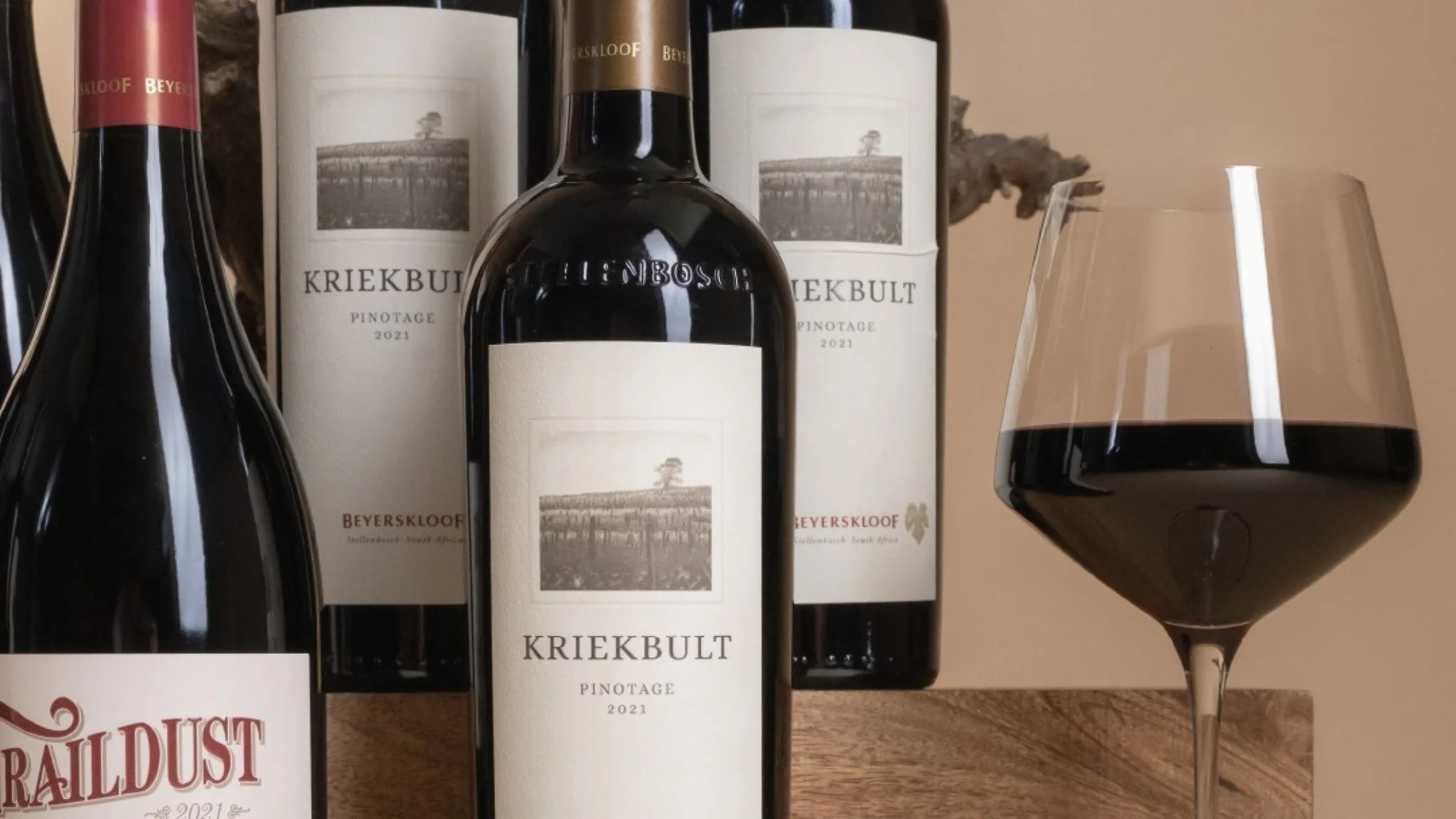
- Medium Tannin: Pinotage, Merlot, Tempranillo
- Low Tannin: Cinsault, Pinot Noir, Gamay Noir
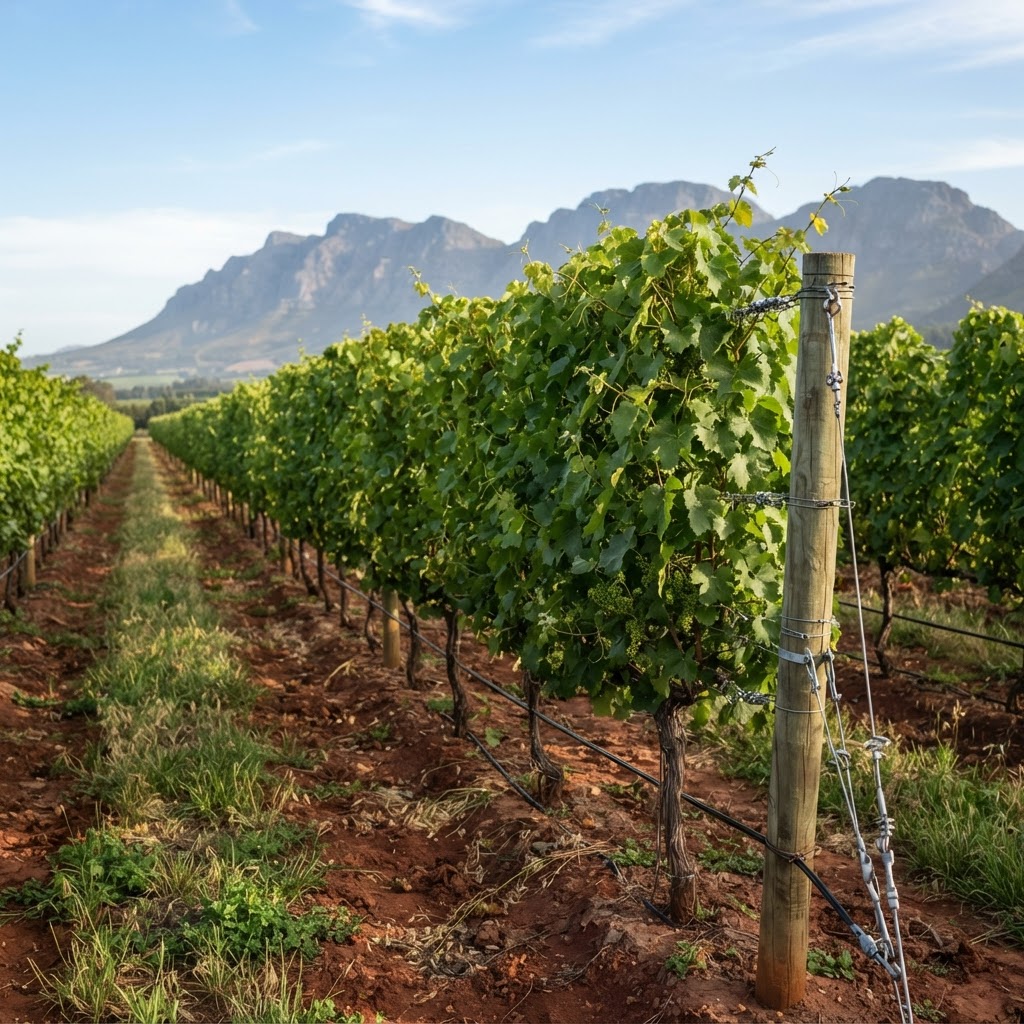
Many estates in Stellenbosch, Paarl, and Swartland craft beautifully structured reds that showcase the role of tannins — from bold and age-worthy to fresh and approachable.
Final Thoughts
Tannins are one of the key building blocks of red wine. While they can seem intimidating at first, understanding their role can transform the way you taste and appreciate wine. Whether you prefer smooth and subtle or bold and structured, exploring tannic wines in the Cape Winelands is a must for any curious wine lover.
Interested in learning more while tasting top South African wines? Let Wine in the Cape curate a private wine tour that helps you explore everything from soft Cinsaults to structured Cabernet blends — and everything in between.
Contact us at hello@wineinthecape.com
Website: www.wineinthecape.com