South Africa’s Methode Cap Classique (MCC) wines have captured the hearts of wine enthusiasts worldwide, offering an exceptional sparkling experience that rivals Champagne. But what makes Methode Cap Classique so special? Let’s dive into its unique production process, its history, and where you can enjoy the best MCC experiences in the Cape Winelands.
Book Our MCC Masterclass Wine Tour
What is Methode Cap Classique?
MCC refers to South Africa’s premium sparkling wines, crafted using the traditional French méthode champenoise. This meticulous process involves a secondary fermentation in the bottle, creating the fine bubbles that make sparkling wine so delightful. While Champagne can only come from its namesake region in France, MCC showcases the South African terroir, offering a unique twist on this timeless classic.
A Brief History of Cap Classique
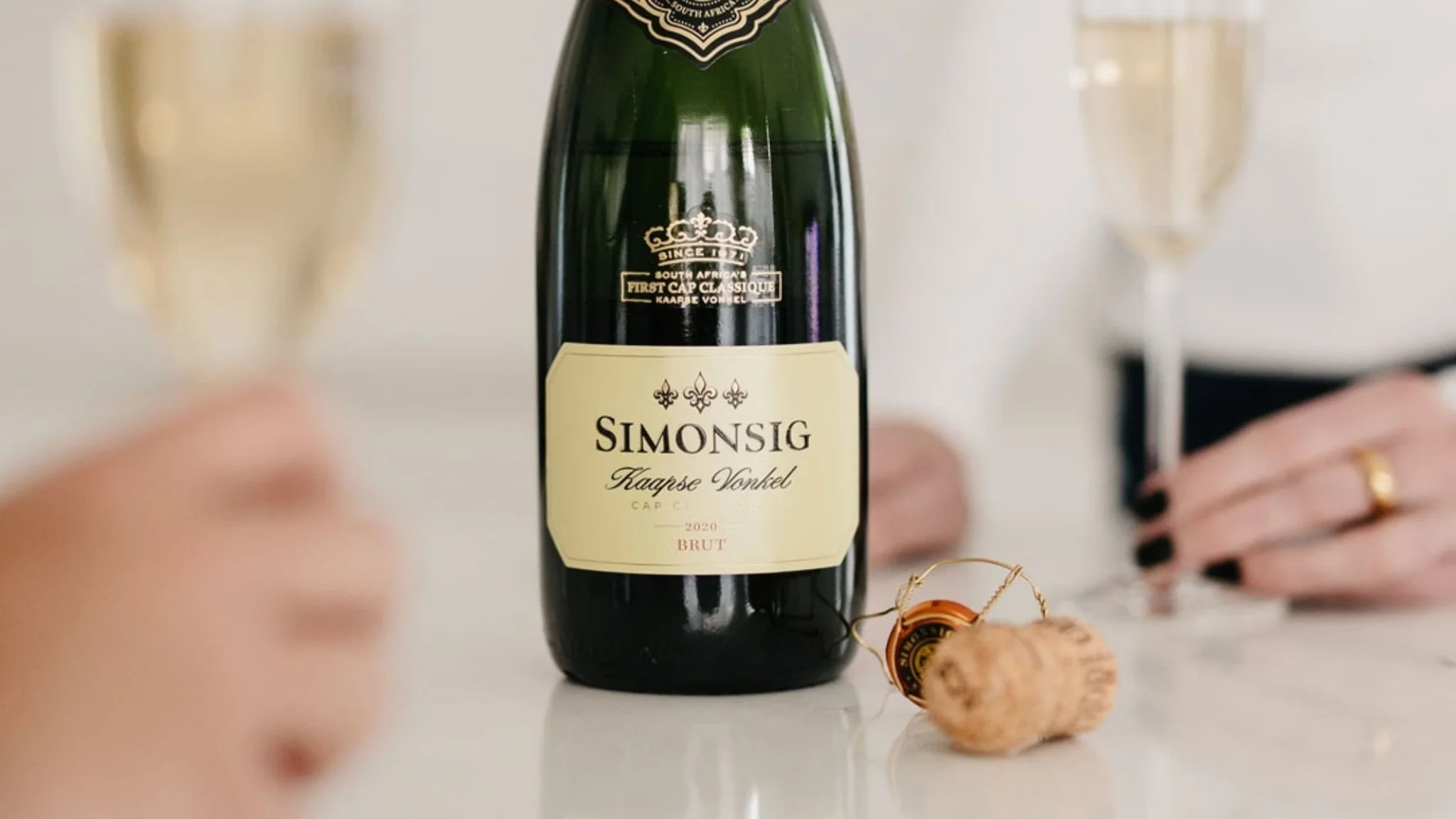
The story of MCC began in 1971 when Simonsig Estate in Stellenbosch produced South Africa’s first bottle-fermented sparkling wine. Inspired by Champagne, Simonsig’s Kaapse Vonkel set the stage for a sparkling wine revolution. Over the decades, MCC has evolved into a symbol of celebration and sophistication, with many wineries across the country perfecting their craft.
How MCC is Made: A Step-by-Step Guide
1. Harvest & Press
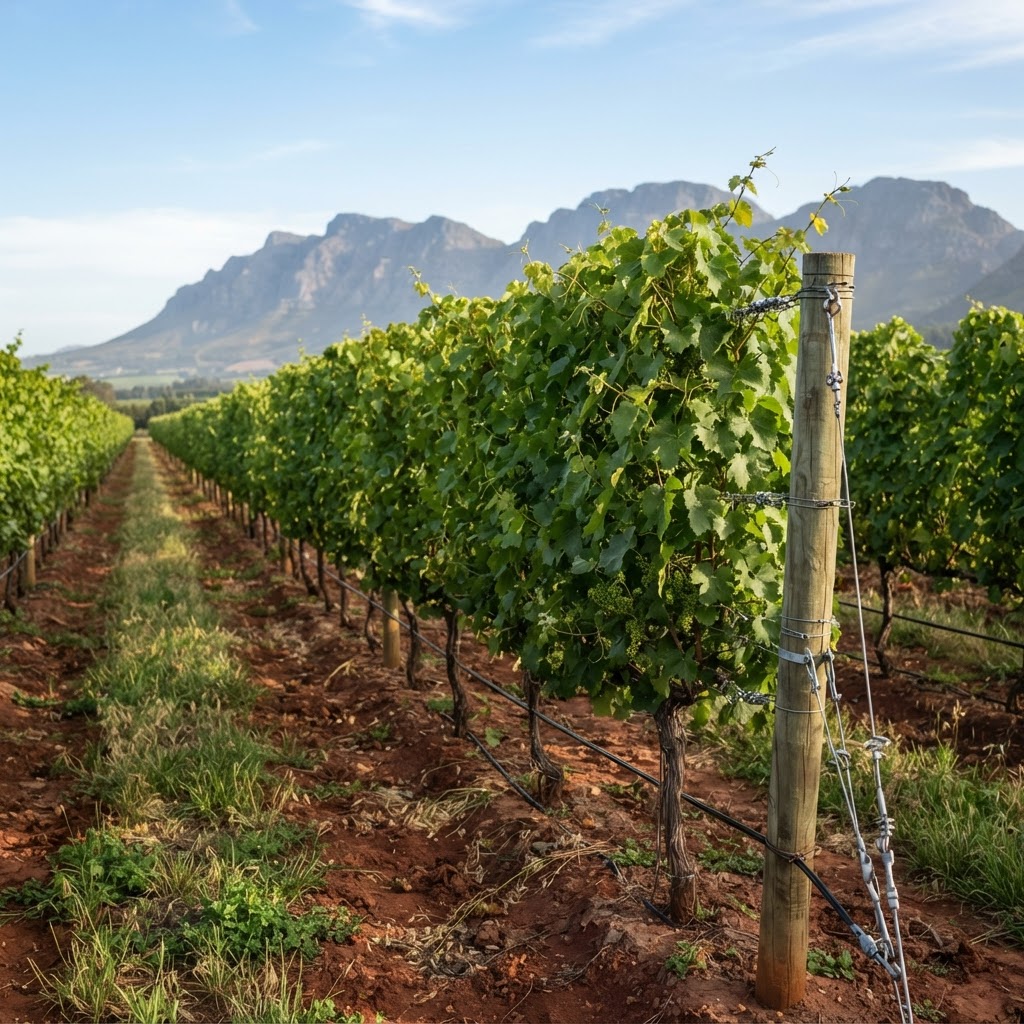
The journey begins with handpicking Chardonnay, Pinot Noir, and Pinot Meunier grapes in the early mornings of January. Grapes are sourced from regions such as Robertson, Bonnievale, and Franschhoek and pressed while cold to ensure clarity in the press fractions.
2. First Fermentation
The grape juice undergoes its first fermentation, mostly in stainless steel tanks, with a small portion of Chardonnay fermented in old French oak barrels. Special Champagne yeast is used to produce a high-acid, low-alcohol base wine, which sets the stage for sparkling brilliance.
3. Assemblage (Blending)
Blending is a critical stage where the winemaker determines the wine’s style. For MCCs, reserve wines ensure consistency and character, often defining the estate’s signature profile.
4. Tirage (Second Fermentation)
The base wine is bottled with yeast, sugar, and nutrients, initiating the second fermentation. This process creates the fine bubbles and takes place in the same bottle that will be sold. Bottles are sealed with crown caps or corks for this phase, which lasts up to two months.
5. Lees Aging
After fermentation, the yeast cells die and settle as lees. MCCs age on the lees for months or years, adding complexity, texture, and a creamy mouthfeel.
6. Remuage (Riddling)
The lees are gently moved to the neck of the bottle through riddling. This can be done manually or with a machine, ensuring a clean removal during disgorgement.
7. Degorgement (Disgorgement)
The neck of the bottle is frozen, and the lees are expelled under pressure. This step ensures the wine is clear and ready for its final touches.
8. Dosage & Recorking
The winemaker adds a dosage—a blend of sugar, sulphur, and wine—to balance the wine’s acidity. The bottle is then topped, corked, and secured with a wire muselet. The MCC rests for several months before being released to the market.
What Makes MCC Unique?
South Africa’s diverse climates and soils lend MCC a distinctive character. The warm sunshine creates ripe, fruit-forward flavours, while cooler coastal breezes preserve the grapes’ acidity, ensuring a vibrant and well-balanced sparkling wine.
Where to Taste the Best MCC in South Africa
1. Simonsig Wine Estate (Stellenbosch)
Home to the original Cap Classique, Simonsig offers a variety of MCCs, including their signature Kaapse Vonkel. Enjoy a tasting paired with stunning vineyard views. Visit the estate.
2. Graham Beck (Robertson)
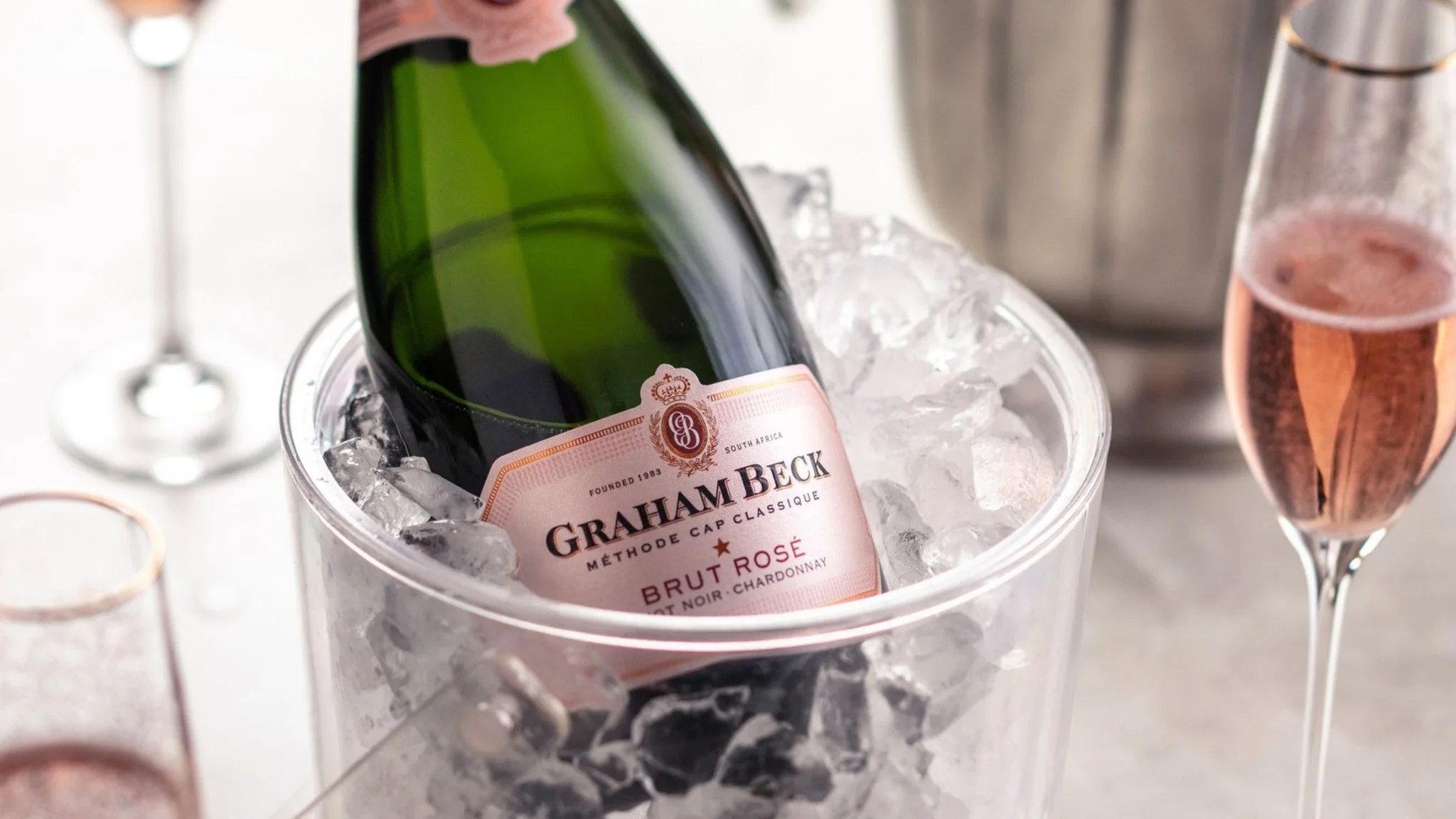
Known as “The Home of Bubbly,” Graham Beck has earned international acclaim for its MCC wines, including the Brut Rosé and Blanc de Blancs. Their tasting room offers an elegant bubbly experience. Visit the estate.
3. Anthonij Rupert Wyne Estate (Franschhoek)
Nestled in the Franschhoek Wine Valley, this estate is celebrated for its L’Ormarins MCC range, which includes a vibrant Brut Classique and a delicate Brut Rosé. The estate offers tastings in a historic setting, complete with a curated pairing menu to elevate your experience. Visit the estate.
4. Le Lude (Franschhoek)
Le Lude is a boutique winery specializing in MCC, showcasing the art of sparkling wine in every bottle. Their tasting room offers a refined atmosphere, and you can explore their expertly crafted Brut, Brut Rosé, and Reserve offerings. Don’t miss their food and MCC pairings for a truly indulgent experience. Visit the estate.
5. Colmant (Franschhoek)
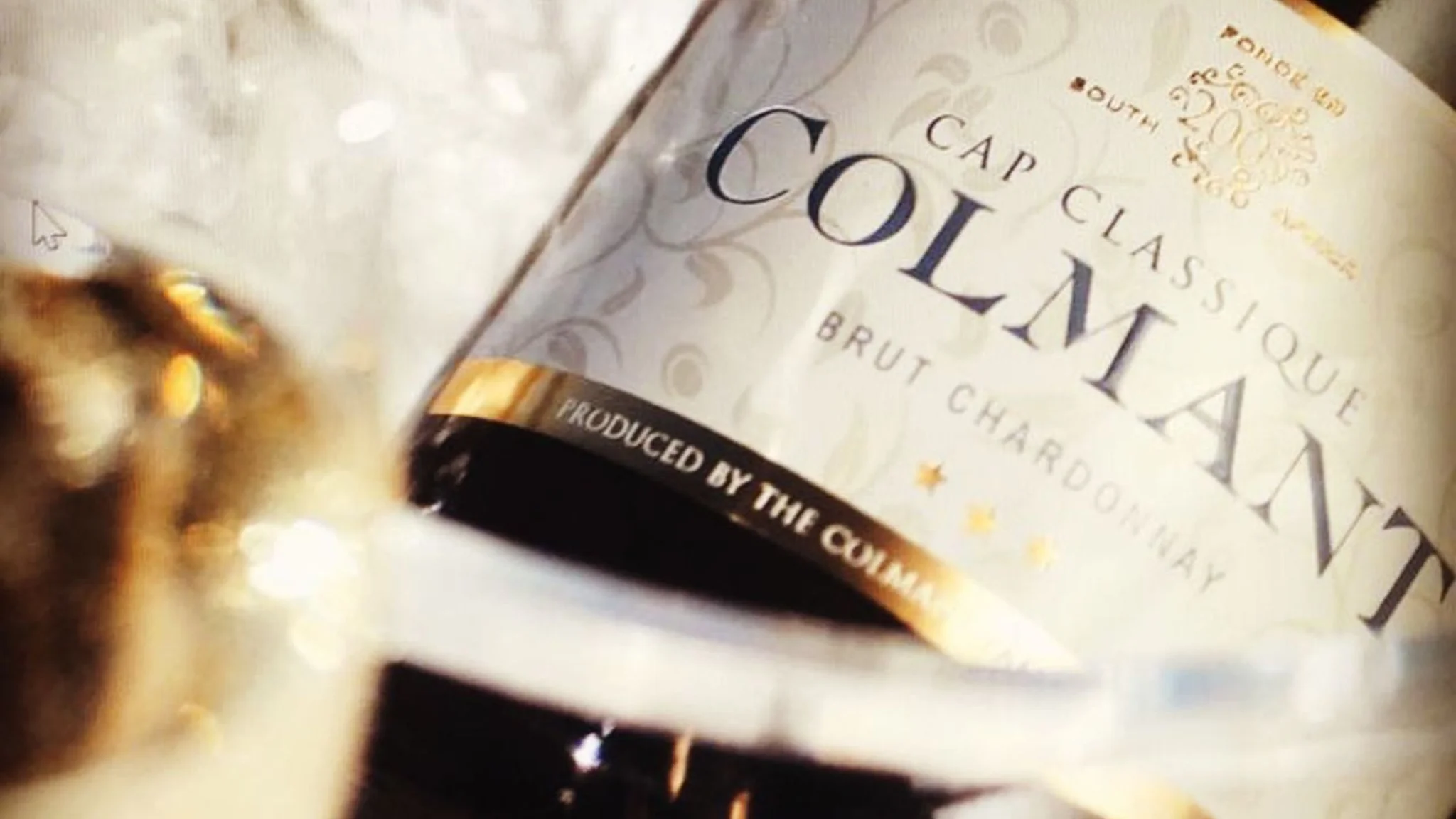
Colmant focuses exclusively on Cap Classique, delivering elegant and refined sparkling wines. Their Brut Reserve and Brut Rosé are highly acclaimed, with meticulous attention to detail in every bottle. Enjoy a peaceful and intimate tasting at their scenic estate. Visit the estate.
Pairing MCC with Food
MCC’s crisp acidity and fine bubbles make it incredibly versatile for food pairings. Here are some suggestions:
- Brunch: Pair with smoked salmon and eggs benedict.
- Appetizers: Enjoy with oysters or a cheese platter.
- Main Course: Complement sushi or grilled seafood with MCC.
- Dessert: A Brut Rosé MCC pairs beautifully with fresh strawberries or a berry tart.
A Sparkling Future for MCC
As the demand for high-quality sparkling wine continues to grow, South Africa’s MCC producers are pushing boundaries, experimenting with blends, and refining techniques. Whether you’re toasting a special occasion or simply savouring life’s little moments, there’s no better companion than a glass of Méthode Cap Classique.
Ready to Experience MCC?
Plan a visit to the Cape Winelands and immerse yourself in the bubbly world of Cap Classique. Discover the rich flavours, stunning settings, and artistry that make MCC a sparkling gem in South Africa’s wine crown. Cheers to sparkling moments!