Decanting is one of those rituals in wine culture that looks elegant and mysterious — but it’s more than just a visual flourish. Done correctly, decanting can transform your wine, enhancing its aromas, softening harsh edges, and revealing hidden complexities. Whether you’re pouring a robust South African red or a well-aged vintage from Stellenbosch, understanding the art of decanting will elevate your wine experience.
What Is Decanting?
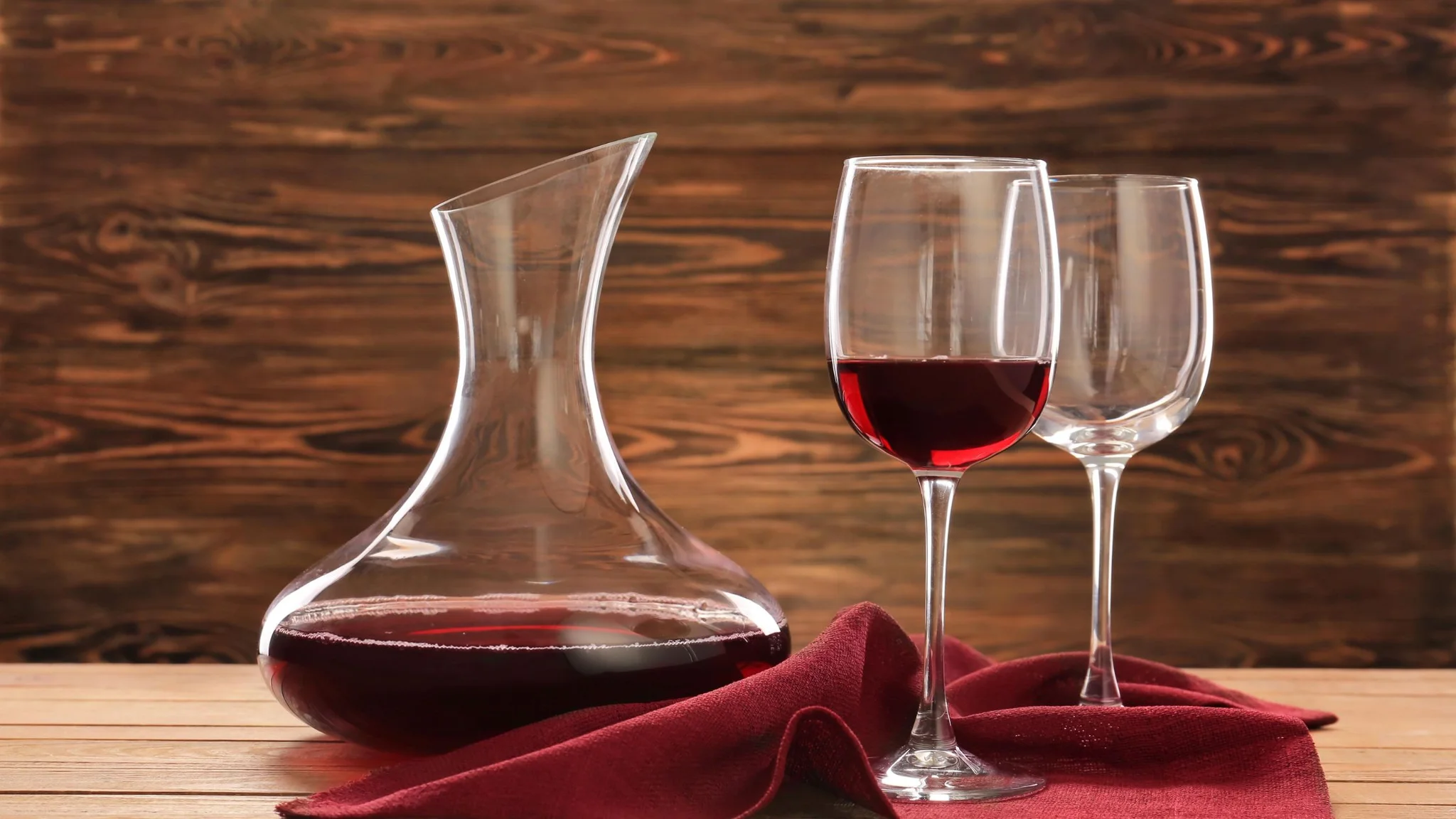
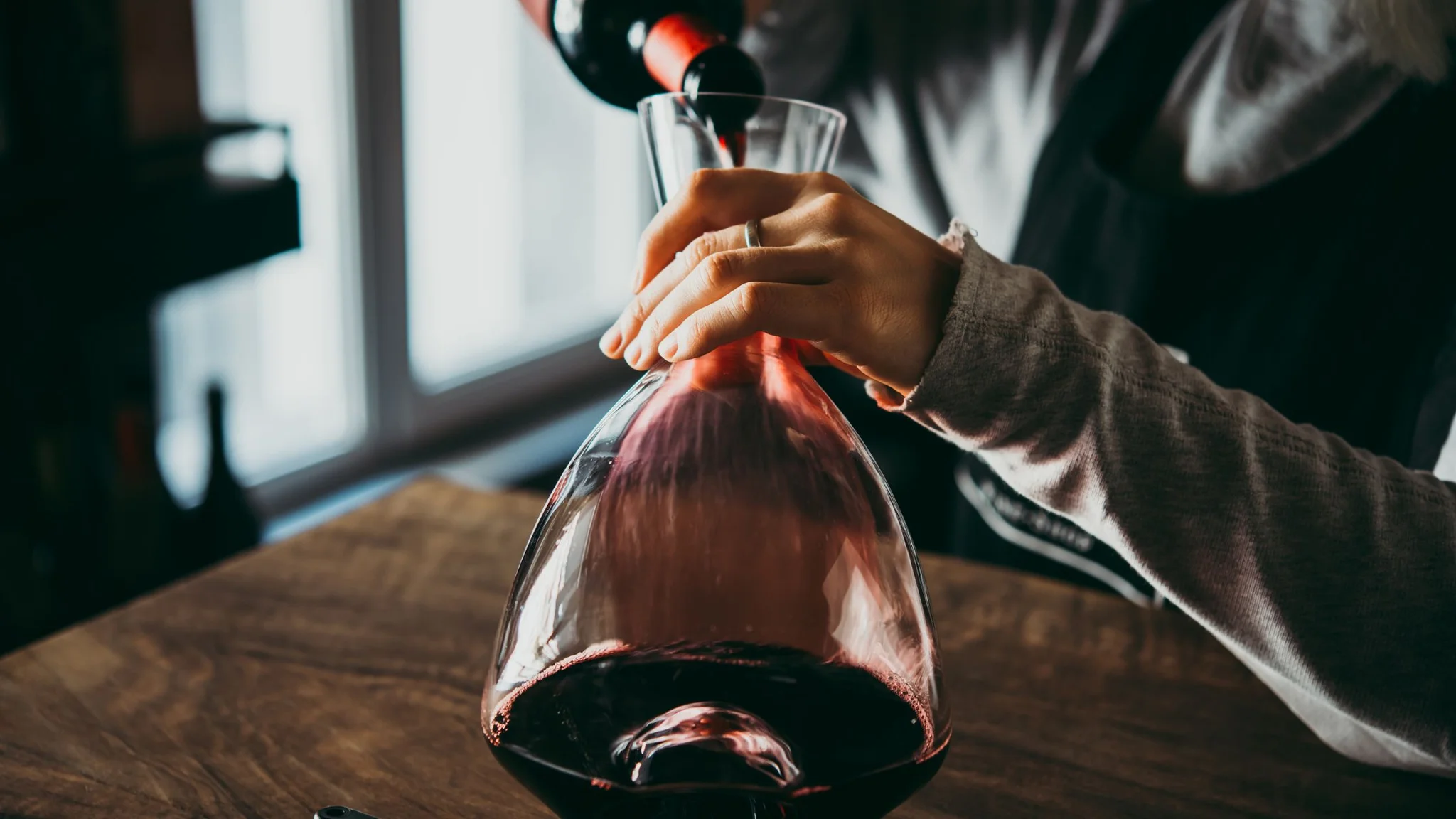
Decanting is the process of slowly pouring wine from its bottle into a separate container — usually a decanter — to achieve two things:
- Separate sediment (mostly in older red wines)
- Expose wine to oxygen, which allows the flavours and aromas to open up
It’s a simple practice with a big payoff, especially for bold, structured wines.
Why Should You Decant Wine?
1. To Improve Aroma and Flavour
Young wines, especially reds like Cabernet Sauvignon, Shiraz, or Pinotage, can taste tight or closed. Decanting allows oxygen to interact with the wine, softening tannins and releasing aromatic compounds.
2. To Remove Sediment
In older wines or unfiltered bottles, sediment can form over time. While harmless, it can affect texture and taste. Decanting carefully avoids pouring sediment into the glass.
3. To Enhance the Experience
Let’s be honest — decanting feels special. It turns a simple pour into a ceremony, especially when paired with a beautiful meal or scenic Winelands view.
When Should You Decant Wine?
| Type of Wine | Should You Decant? | How Long? |
| Young, full-bodied red (e.g. Shiraz, Cabernet Sauvignon) | ✅ Yes | 30–60 minutes |
| Medium-bodied red (e.g. Merlot, Pinotage) | ✅ Optional | 15–30 minutes |
| Aged red with sediment | ✅ Yes (gently) | Just before serving |
| White wine (e.g. wooded Chardonnay) | ✅ Sometimes | 10–15 minutes |
| Sparkling wine | ❌ Not recommended | Not necessary |
Note: Always taste a small amount first. Some older wines are delicate and may fade quickly after decanting.
The Art of Decanting: Step-by-Step
- Stand the bottle upright (if aged) for a few hours before to let the sediment settle.
- Choose your decanter — anything with a wide base will help expose more wine to air.
- Open the bottle carefully, avoiding a rushed pour.
- Slowly pour the wine into the decanter, watching for sediment as you near the bottom.
- Let it rest for the recommended time, then enjoy!
Do All Wines Need Decanting?
No. Many fresh, fruit-forward wines (like young rosés, light reds, or crisp whites) are best enjoyed straight from the bottle. But when it comes to bold reds, tannic varietals, and aged bottles, decanting can make a remarkable difference.
Decanting in the Cape Winelands
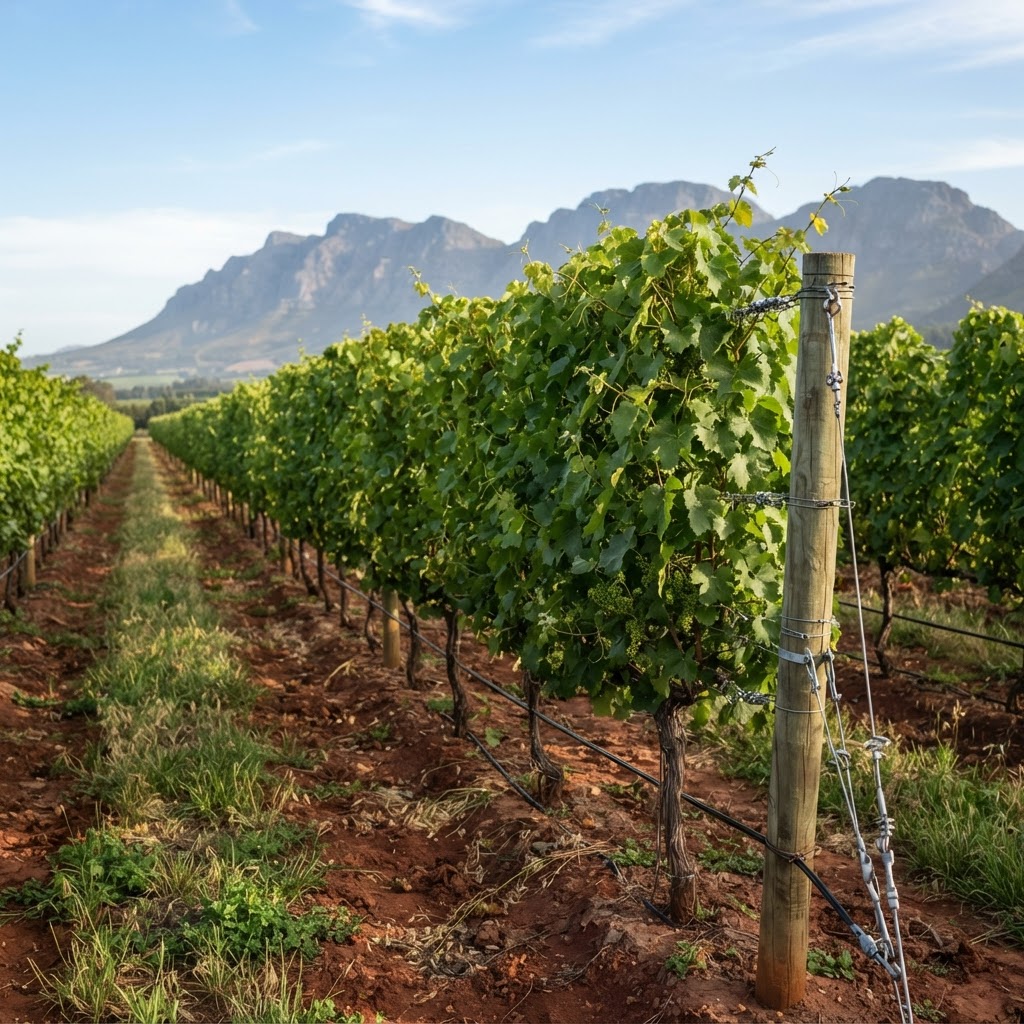
In the Cape Winelands, many top wine estates decant their premium reds before tastings — especially older vintages or reserve selections. If you’re touring estates like Rust en Vrede, Delaire Graff, or Vergelegen, you may get to see decanting in action as part of your experience.
Final Thoughts
The art of decanting is a simple yet powerful way to enhance the flavour, aroma, and enjoyment of your wine. With a little care and patience, you can turn every bottle into something truly memorable — and impress your guests along the way.
Ready to learn more from the experts? Let Wine in the Cape guide you through the rituals of wine tasting with private tours, estate visits, and wine and dine experiences across the Cape Winelands.
📧 hello@wineinthecape.com
🌐 www.wineinthecape.com