The Cape Winelands, nestled within the stunning landscapes of South Africa, is a region celebrated for its remarkable wines. One of the key elements that contribute to the unique character and quality of these wines is the concept of terroir. Terroir encompasses the interplay of climate, soil, topography, and human influence, all of which profoundly shape the flavour profiles of the wines produced. Let’s explore how the distinctive terroir of the Cape region influences its renowned wines.
The Climate
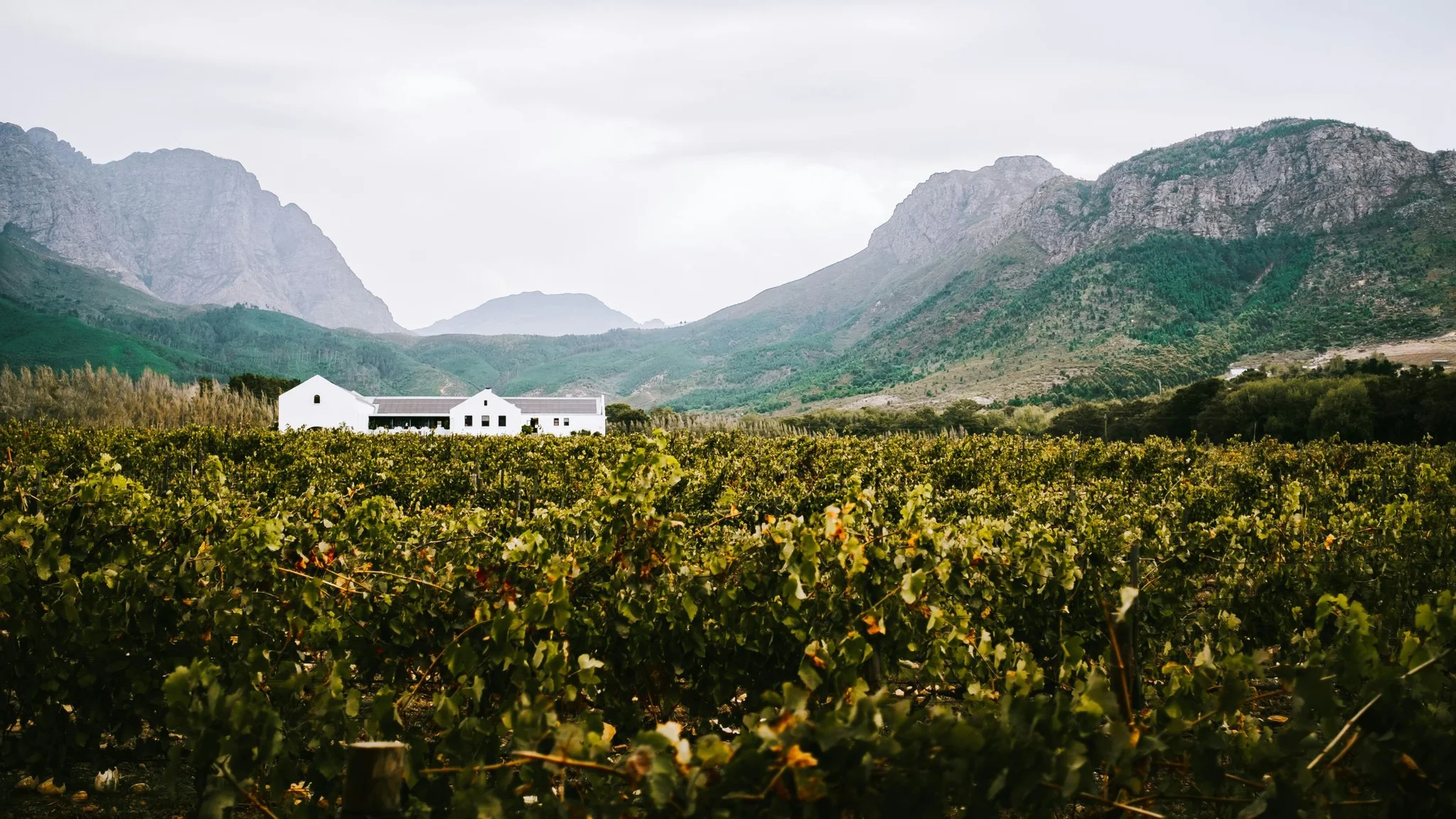
The Cape region enjoys a Mediterranean climate, characterised by hot, dry summers and cool, wet winters. This climate is ideal for viticulture, allowing grapes to ripen fully while maintaining balanced acidity. The proximity to the Atlantic and Indian Oceans creates a moderating effect, bringing cool breezes that temper the heat and contribute to a longer growing season. This climatic influence results in wines with vibrant acidity, well-defined fruit flavours, and excellent ageing potential.
The Soils
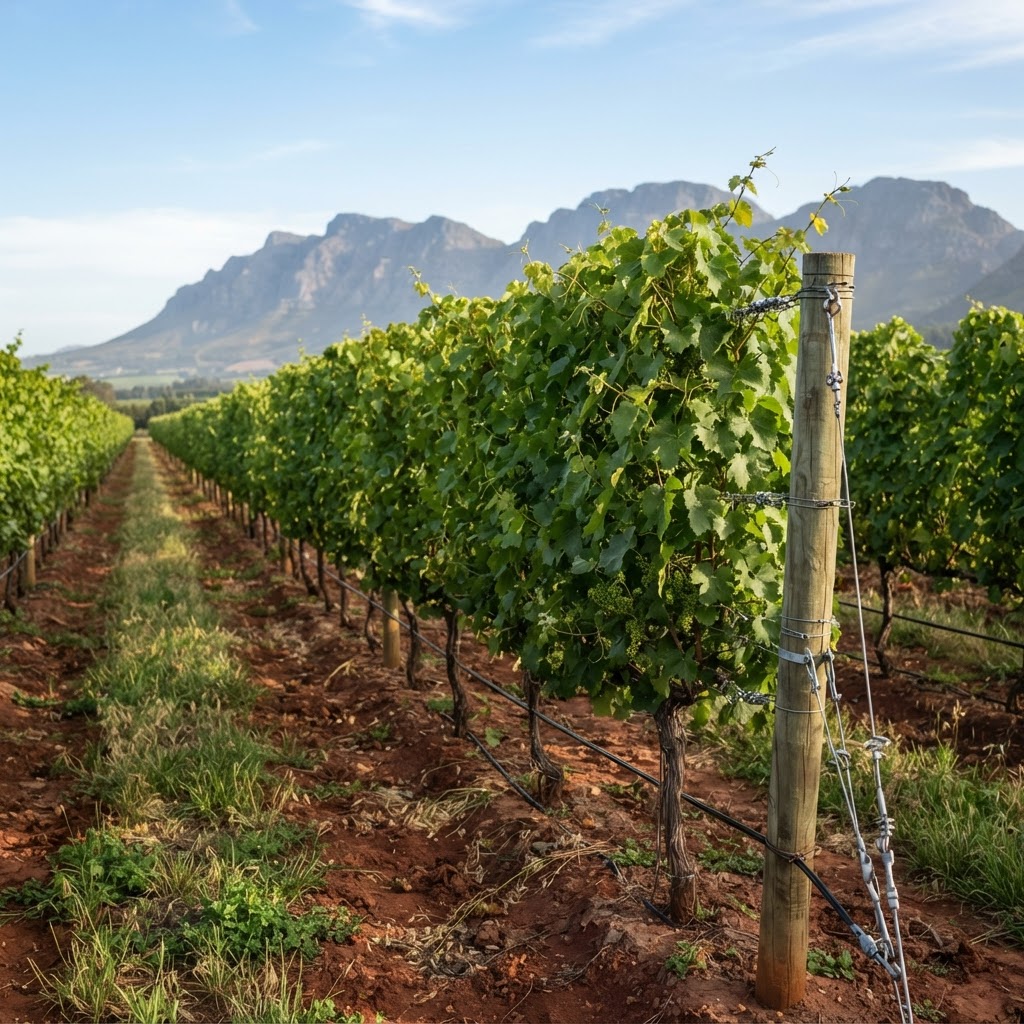
The soils of the Cape Winelands are incredibly diverse, ranging from deep, fertile alluvial soils to weathered granite and shale. Each soil type imparts its unique characteristics to the wines. For instance, the granite soils of the Stellenbosch region provide excellent drainage and reflect sunlight, helping grapes to develop concentrated flavours and firm tannins. Conversely, the clay-rich soils of Paarl retain moisture, resulting in lush, opulent wines with rich fruit profiles.
Topography
The varied topography of the Cape region creates a tapestry of microclimates, each influencing the vineyards in unique ways. The elevation and aspect of the vineyards play a crucial role in determining temperature variations, sunlight exposure, and wind patterns. Vineyards situated on mountain slopes, such as those in the Helderberg and Simonsberg areas, benefit from cooler temperatures and greater diurnal temperature shifts. These conditions enhance the aromatic complexity and structure of the wines, making them both elegant and robust.
Human Influence
While terroir encompasses natural elements, human influence is an integral part of the equation. The viticultural and winemaking practices adopted by growers and producers in the Cape region play a significant role in expressing the terroir. Sustainable farming methods, minimal intervention winemaking, and a focus on preserving the natural balance of the vineyards all contribute to capturing the essence of the terroir in the bottle. The skilled hands of winemakers ensure that each vintage reflects the unique characteristics of its environment.
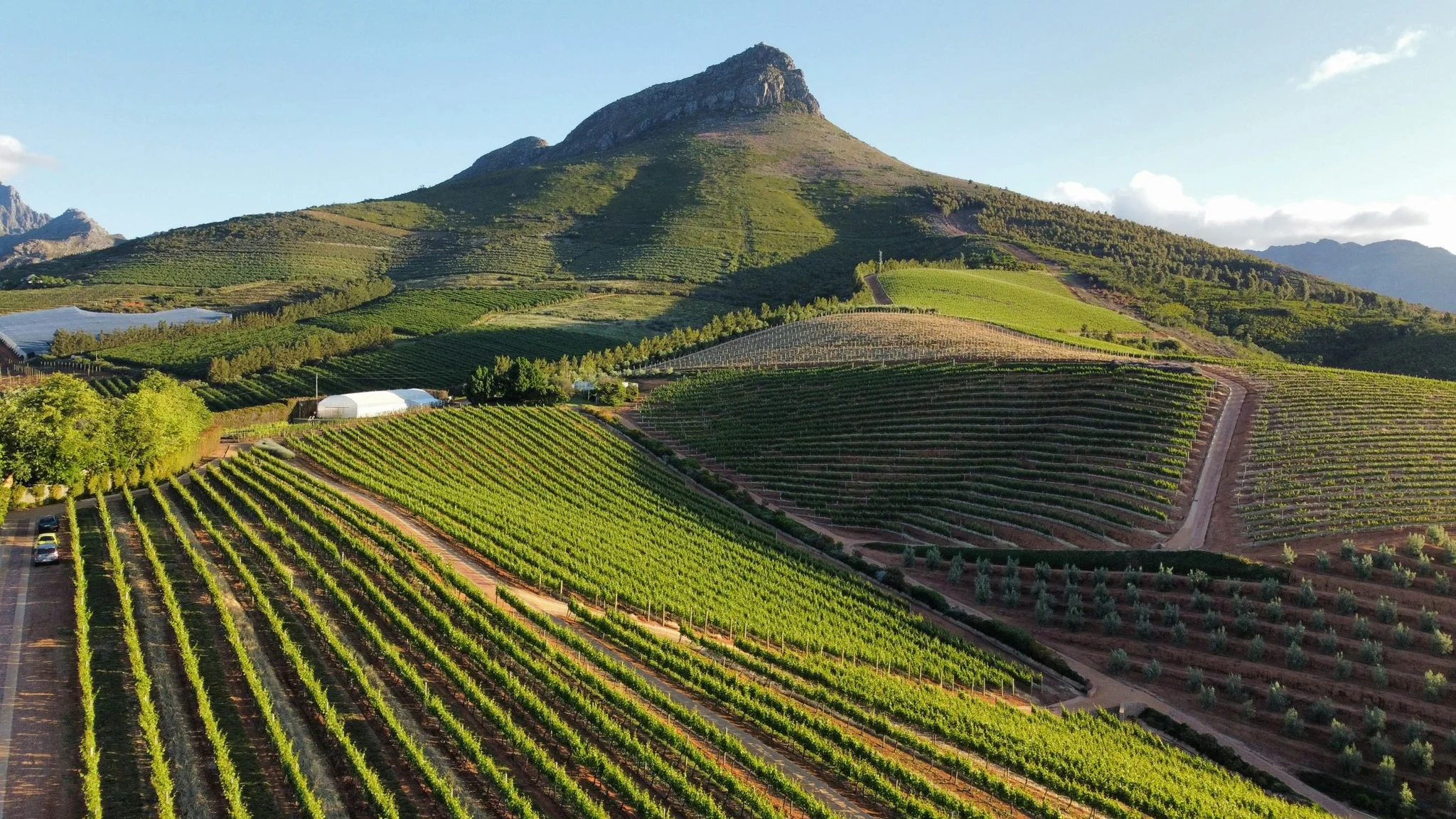
Regional Expressions: A Symphony of Flavours
The Cape Winelands can be divided into several sub-regions, each with its distinct terroir and resulting wine styles. Let’s explore a few of these:
Stellenbosch
Known as the heart of South African wine country, Stellenbosch boasts a diverse range of soils and microclimates. This region is renowned for its Cabernet Sauvignon and Bordeaux-style blends, which exhibit rich, dark fruit flavours, firm tannins, and a distinctive minerality from the granite soils.
Franschhoek
Nestled between towering mountains, Franschhoek is influenced by both its altitude and proximity to the ocean. The region produces elegant white wines, particularly Sauvignon Blanc and Chardonnay, with bright acidity and citrus-driven profiles, alongside sophisticated reds with delicate floral notes.
Paarl
With its warmer climate and fertile soils, Paarl produces bold, full-bodied wines. Shiraz and Chenin Blanc thrive here, displaying ripe fruit flavours, spicy undertones, and a lush, velvety texture.
Constantia
As one of the oldest wine regions in the Cape, Constantia benefits from its cool, maritime climate. The region is famed for its Sauvignon Blanc and dessert wines, which offer refreshing acidity, tropical fruit flavours, and a distinctive mineral edge.
Conclusion
The unique terroir of the Cape region is a symphony of natural elements and human artistry, each contributing to the creation of exceptional wines. The interplay of climate, soils, topography, and careful winemaking practices results in wines that are a true expression of their origin. As you savour a glass of Cape wine, you are not just tasting the fruit of the vine, but the essence of a remarkable landscape. The Cape Winelands invites you to explore and appreciate the profound influence of terroir in every sip.