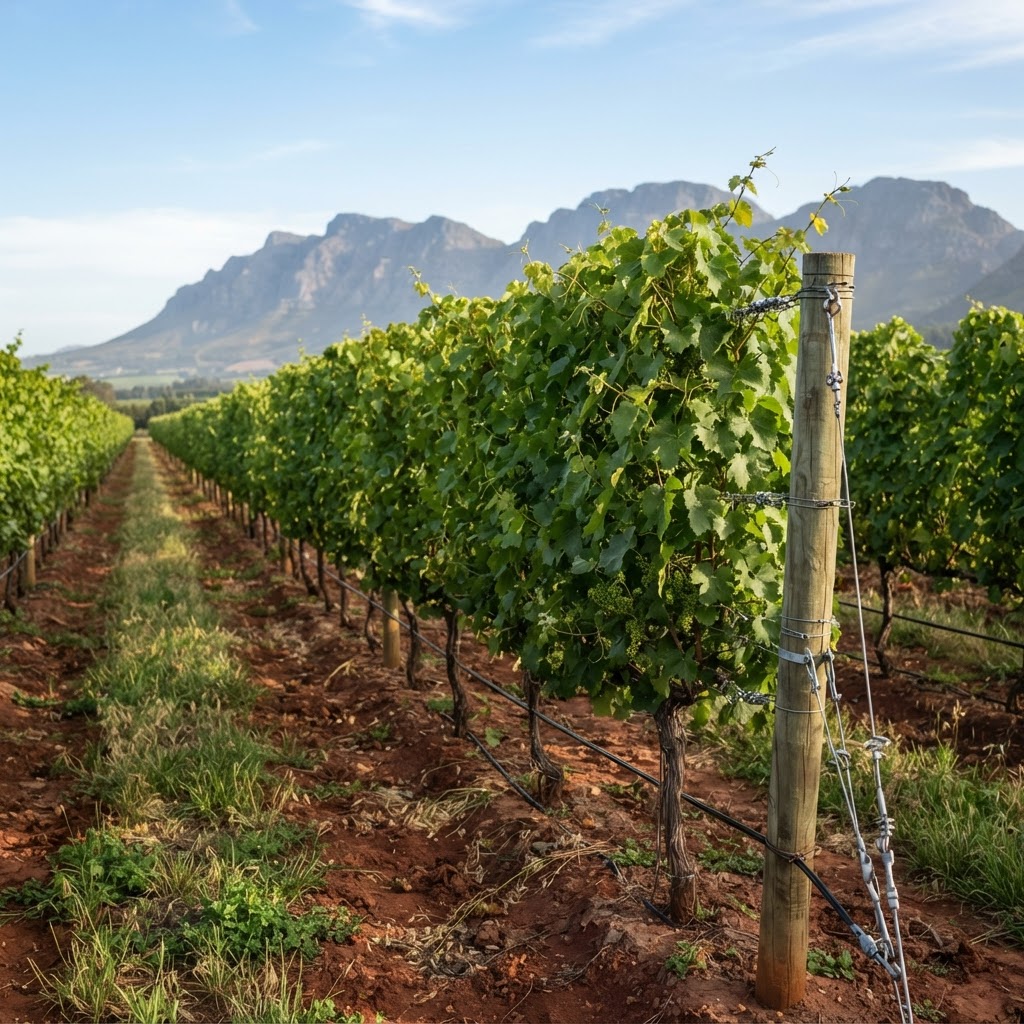
The sparkling wine grape varieties of the Cape are a marvel to behold. Rich, lively and varied, they span an array of aromas and flavours that have been cultivated for centuries, from the early days of colonialism to the present day. South Africa is one of the world’s oldest wine-producing countries and its vineyards produce some of the most sought-after wines in the world.
In general, South African sparkling wines can be divided into three main categories: those made from traditional European varieties (Chardonnay, Pinot Noir and Chenin Blanc); South African-specific hybrid grapes (such as Pinotage); and native Southern Hemisphere varieties like Sauvignon Blanc. Each type has its unique characteristics and flavour profiles.

Traditional European Varieties
When it comes to traditional European sparkling wine grape varieties, Chardonnay is probably the most popular choice among winemakers in South Africa. With notes of crisp citrus fruit, buttery richness and a hint of tropical nuances – usually derived from oak ageing – this grape variety makes up a substantial portion of many sparkling wines produced in the Cape region. It often forms part of blends combined with Pinot Noir or Chenin Blanc for more complexity or vintage character respectively.
South African Hybrid Varieties
Pinot Noir is another important variable when it comes to crafting sparkling wines at the Cape. This particular grape tends to produce light-bodied yet flavorful wines with delicate red berry aromas tempered by earthy undertones such as mushrooms or leathery tannins. Often blended with other grapes for added complexity – such as Chardonnay or Sauvignon Blanc – Pinot Noir adds structure and depth while keeping acidity levels balanced.
Chenin Blanc is also widely planted at wineries across South Africa due to its versatility in crafting sparkling wines that range from light-bodied styles with floral aromatics to full-bodied versions with honeyed notes or tropical fruit nuances. When used in combination with other grapes such as Chardonnay or Sauvignon Blanc, Chenin’s good acidity helps keep the blend well balanced while adding subtle layers of complexity. Its natural racy flavours also make it ideal for creating vibrant sparklers that retain their freshness even after extended ageing periods in a bottle.
The local hybrid Pinotage is also commonly used by winemakers when crafting sparkling wine blends as it helps add vibrancy and exotic fruit notes to a cuvée without overpowering its other components too much on account of its naturally low acidity levels. Aromas typically associated with this variety include dried figs, plums and ripe berries along with hints of mocha coffee or dark chocolate depending on how it has been aged before bottling.
Southern Hemisphere Sparkling Wine Grape Varieties
Finally, there are several native Southern Hemisphere varieties which are gaining popularity when it comes to making blended Cape Sparkling Wines. Sauvignon Blanc produces lively sparklers boasting vibrant herbaceous aromas combined with herbal flavours underpinned by zingy citrus notes. Colombard contributes to the smooth body along with lifted floral scents, while Muscat d’Alexandrie adds a delightful musky perfume. The Semillon variety off nutty tones tinged with honey, and the Viognier provides apricot-like sweetness.
Those partial to Verdelho will find that its presence brings about crisp stonefruit characters, while the Crouchen blanc influence can result in very honeyed styles. Lastly, Cabernet Sauvignon, one of the more robust varietals, is capable of imparting deep colour along with juicy blackberry notes plus generous tannins that give sparklers good longevity over time once released onto market shelves for sale.
Discover the Cape Winelands today and book your wine tour with us.