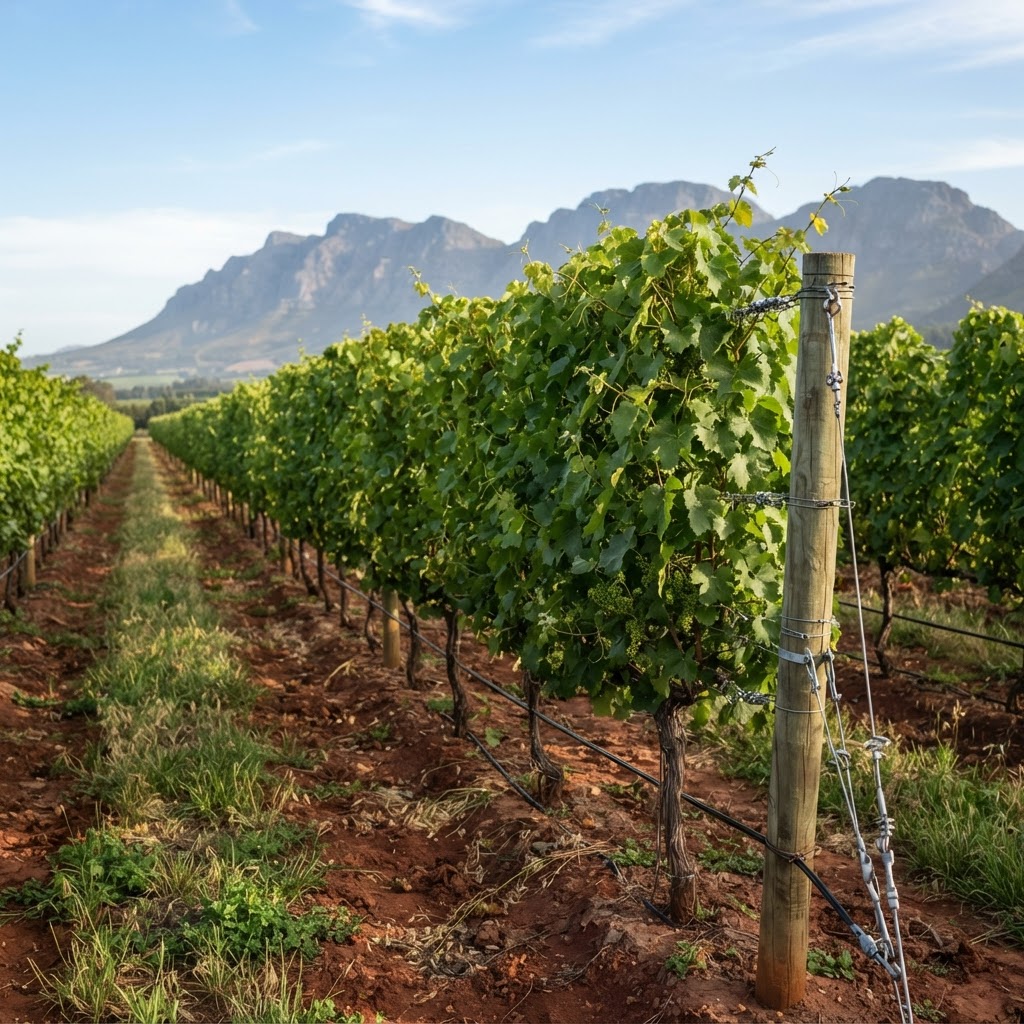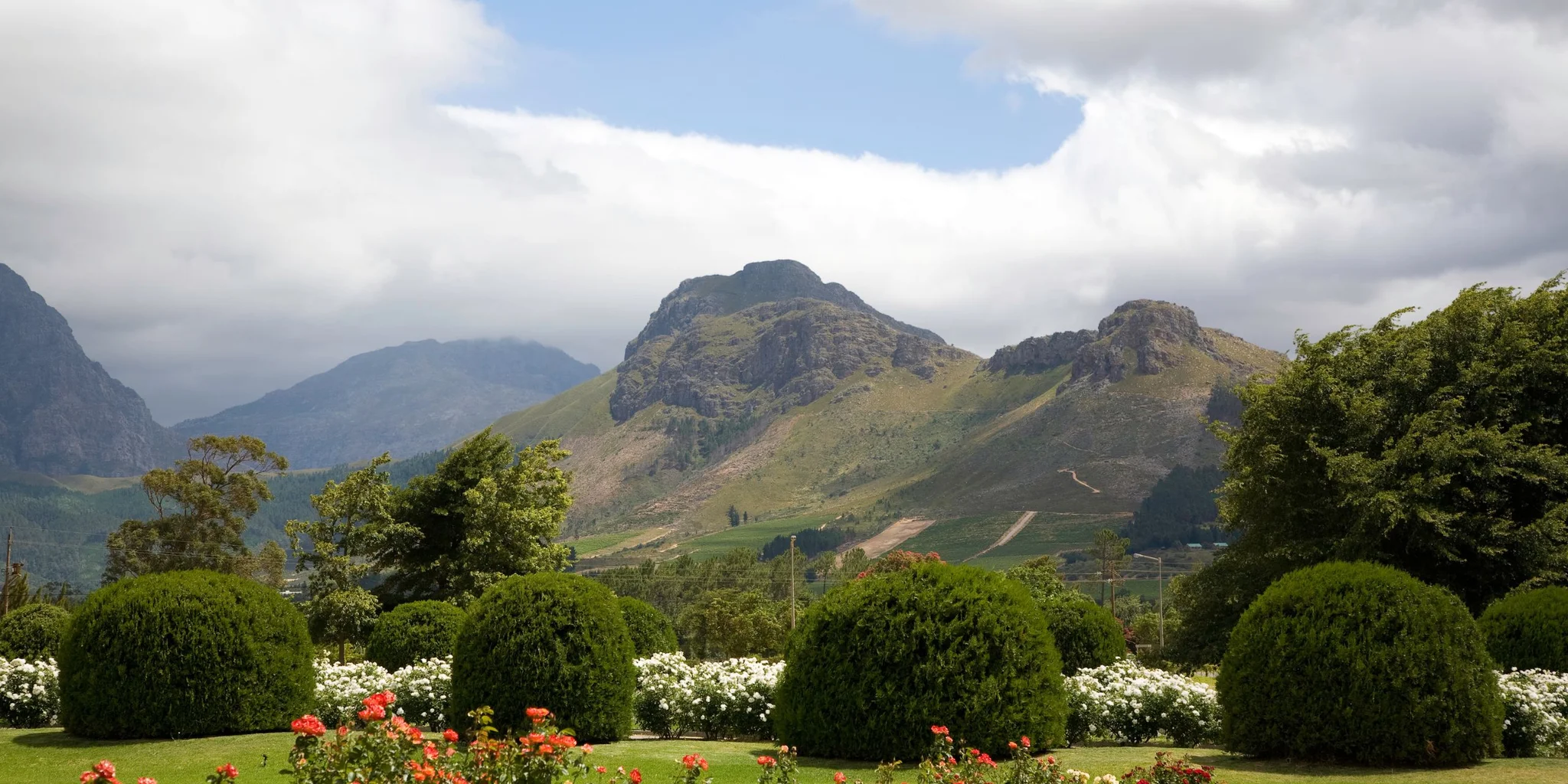
The history of South African wine dates back to 1659 with the first bottle being produced in Cape Town by its founder and governor Jan van Riebeeck. Cape Town, or the Mother City, is world-famous for some of its attractions — from the remarkable Table Mountain National Park and Robben Island to the adorable penguin colony of Boulders Beach. However, probably the most well-known attraction of Cape Town is its Cape Winelands, dating back three centuries.
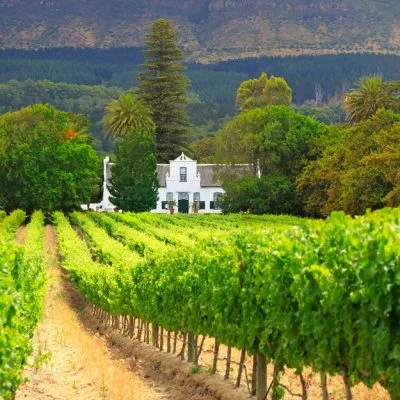
The Cape Winelands, which consists of the three major wine regions of Paarl, Franschhoek, and Stellenbosch, is a dazzling part of South Africa. A journey to Cape Town would not be complete without indulging in some of the region’s best vintages during a Cape Winelands tour, which is produced in some of the world’s finest wine valleys.
The History Of South African Wine
The first vines were planted by the Dutch governor, Jan van Riebeeck when Cape Town was established as a refreshment stop along the Dutch East India Company’s Spice Route — connecting Europe and Asia in the early 1650s. Wine farms began cropping up in and around Cape Town after the Dutch first arrived.
Paarl
Abraham Gabemma, a Dutch pioneer who travelled inland in search of potential Khoisan trading partners, founded Paarl in 1657. During his journey, Gabemma came upon a huge granite boulder that sparkled in the sunlight and gave it the name Diamond and Pearl Mountain. The Afrikaans name for this city is Paarl, which translates to “pearl.” Paarl was essentially the centre of the South African wine industry for most of the 20th century. It served as the location of both the KWV and the yearly Nederburg Wine Auction, where a vintage or estate’s reputation might be established. Slowly, attention turned south to Stellenbosch, where Stellenbosch University emerged as a major force in the country’s wine sector.
Constantia
Constantia is the nation’s oldest wine-producing region. The first wine estate in South Africa was founded in 1685 by Simon van der Stel, the governor of the Cape at the time. It was called Groot Constantia in the Constantia Valley Wine Route in Cape Town. His delicious Vin de Constance was so well-liked that Napoleon Bonaparte and Louis XVI drank it, and it was even mentioned in works by Charles Dickens and Jane Austen.
Stellenbosch And Franschhoek
In 1688, Huguenots from France who had fled religious persecution applied for refuge and were given land in the Drakenstein Valley. Later, this location was appropriately given the name Franschhoek, which translates to French Corner. In barely two decades, the Huguenots’ expertise in viticulture enabled the area to surpass Stellenbosch and the Constantia Valley as the most prolific wine-producing region in the vicinity. The majority of the Cape Winelands is made up of the three different districts of Stellenbosch, Franschhoek, and Paarl, which are home to some of the best wine estates in the world.