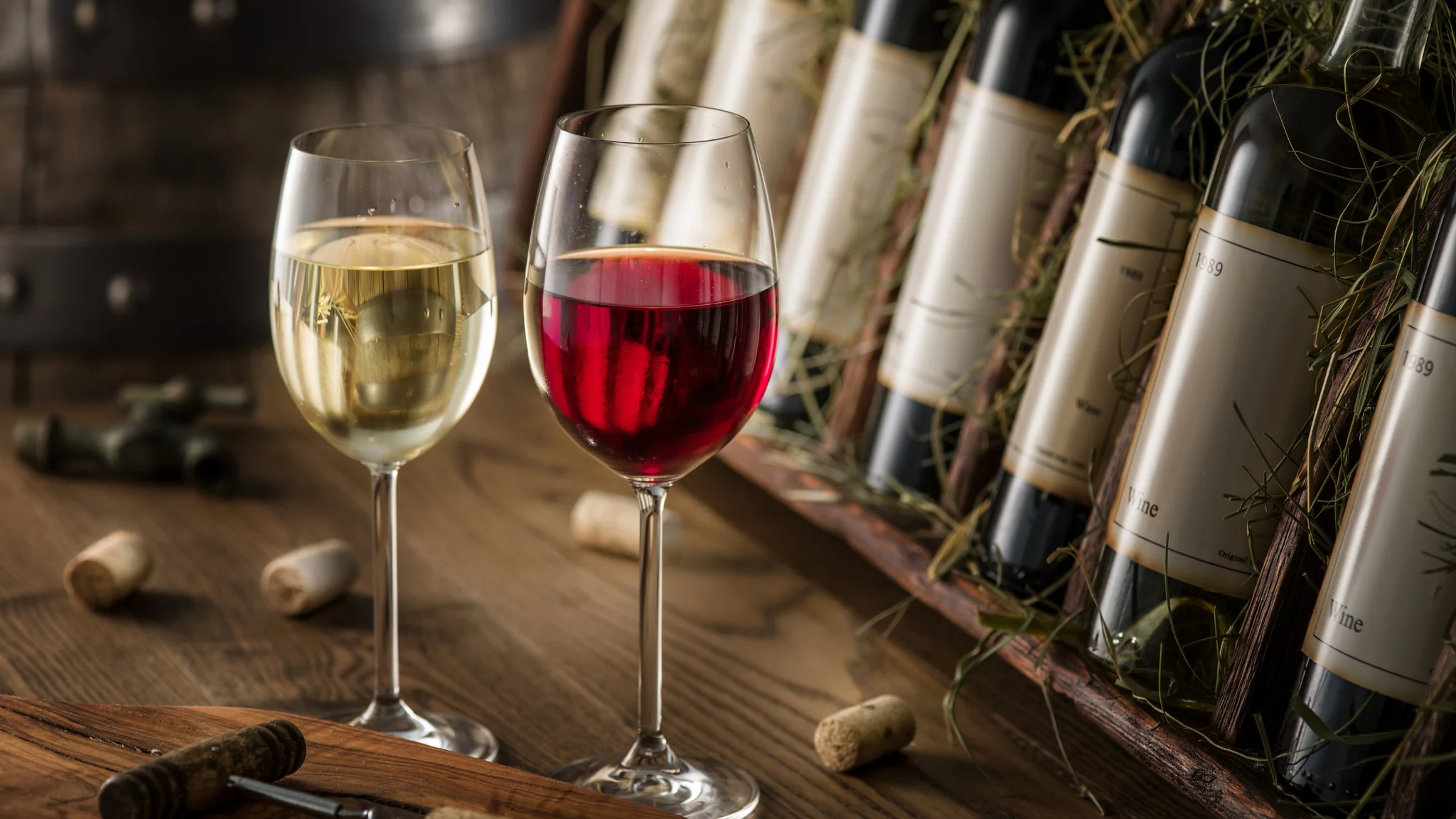
When it comes to wine, one of the first questions many people ask is simple: What’s the difference between red and white wine?
At first glance, the answer might seem obvious — the colour, of course! But look a little closer, and you’ll discover that the real differences between red and white wines go far deeper, touching on grape genetics, winemaking methods, chemistry, and even flavour philosophy. In the Cape Winelands, where both red and white varieties thrive, understanding these nuances adds a new layer of appreciation to every glass you pour.
1. Different Grapes, Same Family
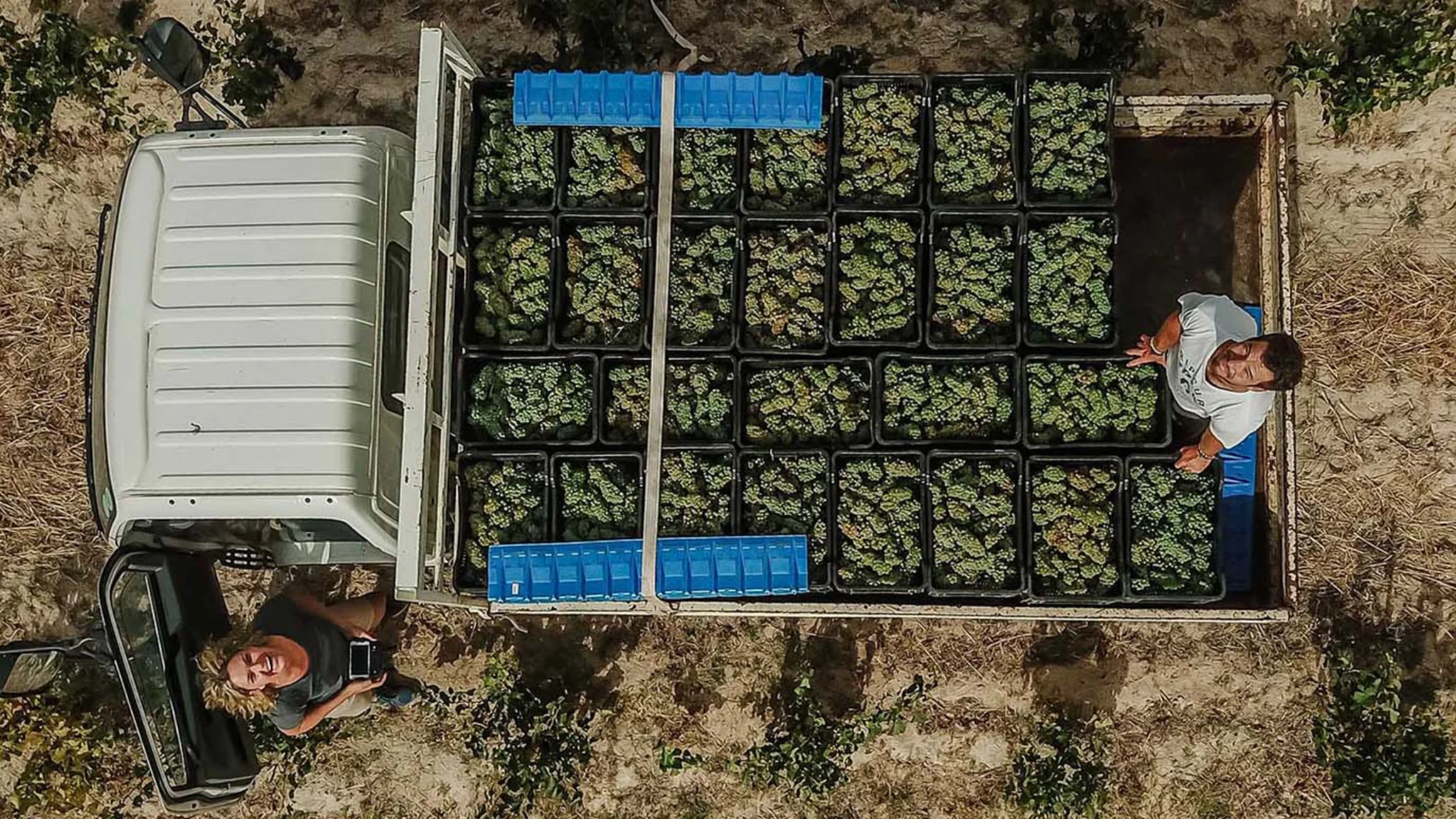
Red wines are made from red (or black) grape varieties such as Cabernet Sauvignon, Shiraz, and Pinot Noir, while white wines are made from white grapes like Chardonnay, Sauvignon Blanc, and Chenin Blanc.
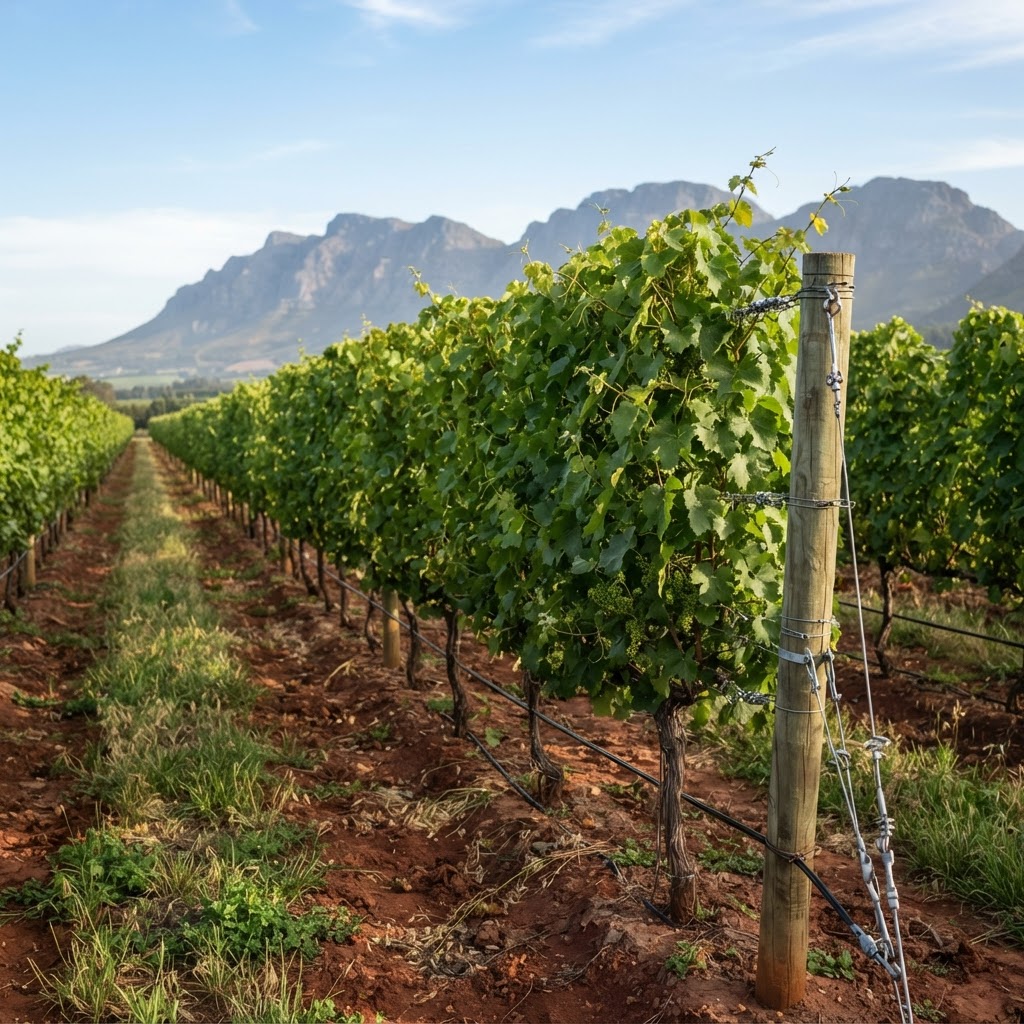
What’s fascinating is that both red and white wine grapes belong to the same species — Vitis vinifera — and are often close genetic relatives. For example, Pinot Noir, Pinot Gris, and Pinot Blanc all share the same DNA; they’re simply natural mutations of one another. In South Africa, this incredible genetic diversity gives winemakers endless creative possibilities — from full-bodied reds in Stellenbosch to elegant, mineral-driven whites in Constantia and Elgin.
2. The Role of the Grape Skins
The real magic that separates red from white wine happens during fermentation — the process where grape juice transforms into wine.
- Red wines are fermented with their skins and seeds, which give them their colour, tannin, and depth of flavour.
- White wines, on the other hand, are typically fermented without the skins, resulting in a lighter colour and crisper texture.
It’s the grape skins that hold most of the colour pigments and tannins — the compounds responsible for a red wine’s structure and ageing potential. There are some rare exceptions, though. For example, Champagne labelled Blanc de Noirs is made from red grapes but vinified as a white wine, and “orange wines” are white grapes fermented with their skins, producing deeper hues and richer textures.
3. Two Distinct Winemaking Styles
Winemaking for red and white wines follows different philosophies — one shaped by oxygen, the other by preservation.
- Red wines are often aged in oak barrels, which allow gentle oxygen exposure. This softens tannins, adds warmth, and brings out flavours like vanilla, spice, or cedar.
- White wines are more commonly aged in stainless steel tanks, which limit oxygen and preserve bright fruit, floral aromas, and zesty acidity.
This is why a Shiraz feels velvety and smooth, while a Sauvignon Blanc tastes crisp and refreshing. Both are reflections of the same artistry — guided by the winemaker’s intent and the grape’s natural character.
4. The Science Inside the Glass
Chemically, red and white wines differ in their compounds — and that has implications not just for flavour, but for health as well. Because red wines are fermented with their skins, they contain higher levels of polyphenols like resveratrol, which are often linked to antioxidant benefits. These compounds are found in the skin and seeds of grapes, making red wines richer in these natural plant compounds. That said, balance is key. A crisp glass of white wine offers its own kind of refreshment — lighter on the palate and often lower in alcohol — making it the perfect companion for warm Cape afternoons.
Two Styles, One Wineland Story
At their heart, both red and white wines are expressions of the land. Whether you’re sipping a bold Cabernet under Stellenbosch’s oak-lined avenues or a chilled Chardonnay overlooking Franschhoek’s valleys, each glass captures a piece of the Cape’s unique terroir. So, the next time you raise a glass — red or white — take a moment to notice what’s inside: the grape’s journey from vine to barrel, the artistry of fermentation, and the unmistakable flavour of the Winelands themselves.
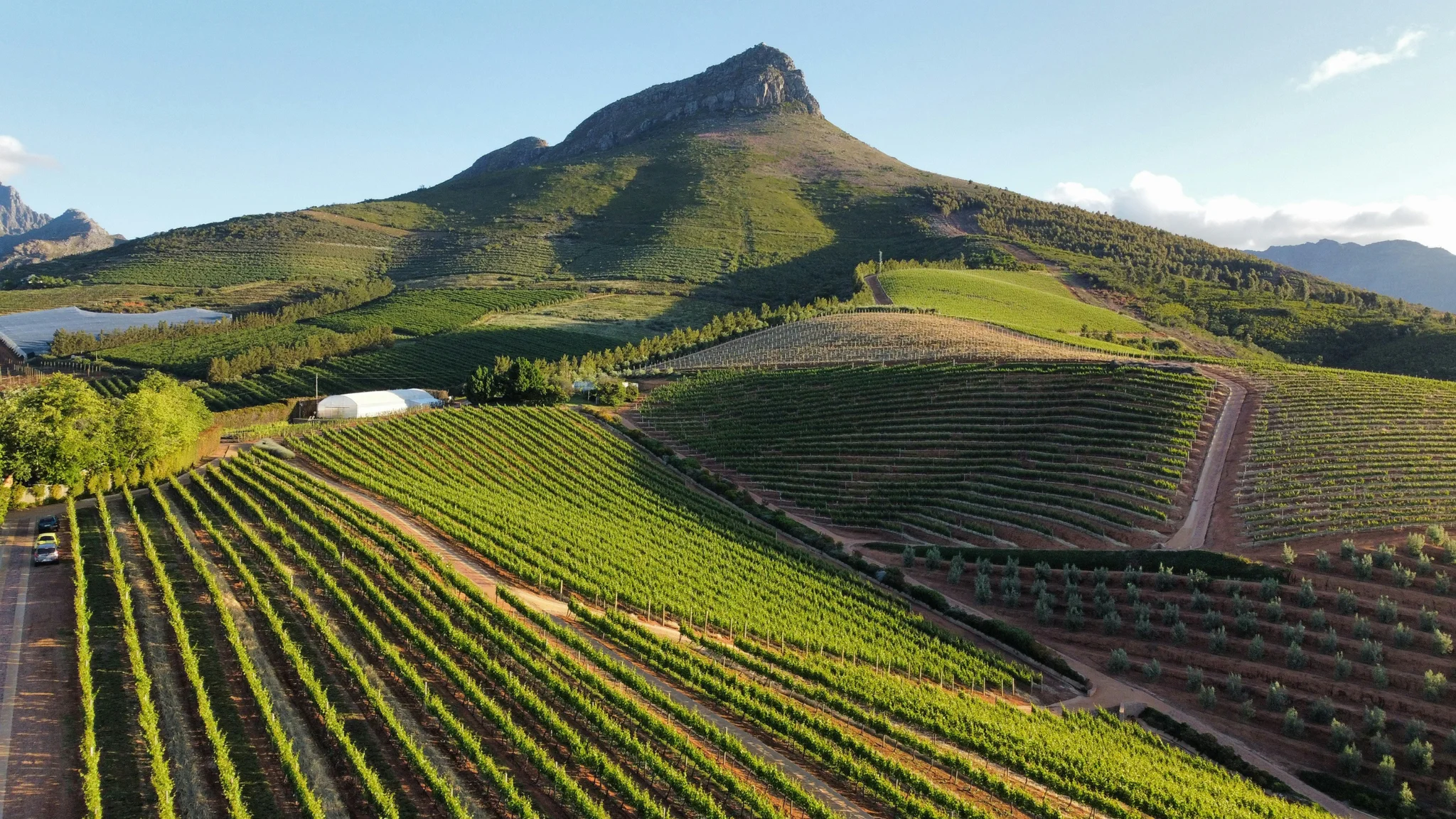
Discover Both on a Wine in the Cape Tour
From elegant Sauvignon Blancs in Constantia to velvety Pinotage in Paarl, our Wine in the Cape tours invite you to explore both sides of the wine spectrum. Taste the contrasts, meet the winemakers, and uncover the stories that make South African wine so extraordinary.
+27 76 490 7195