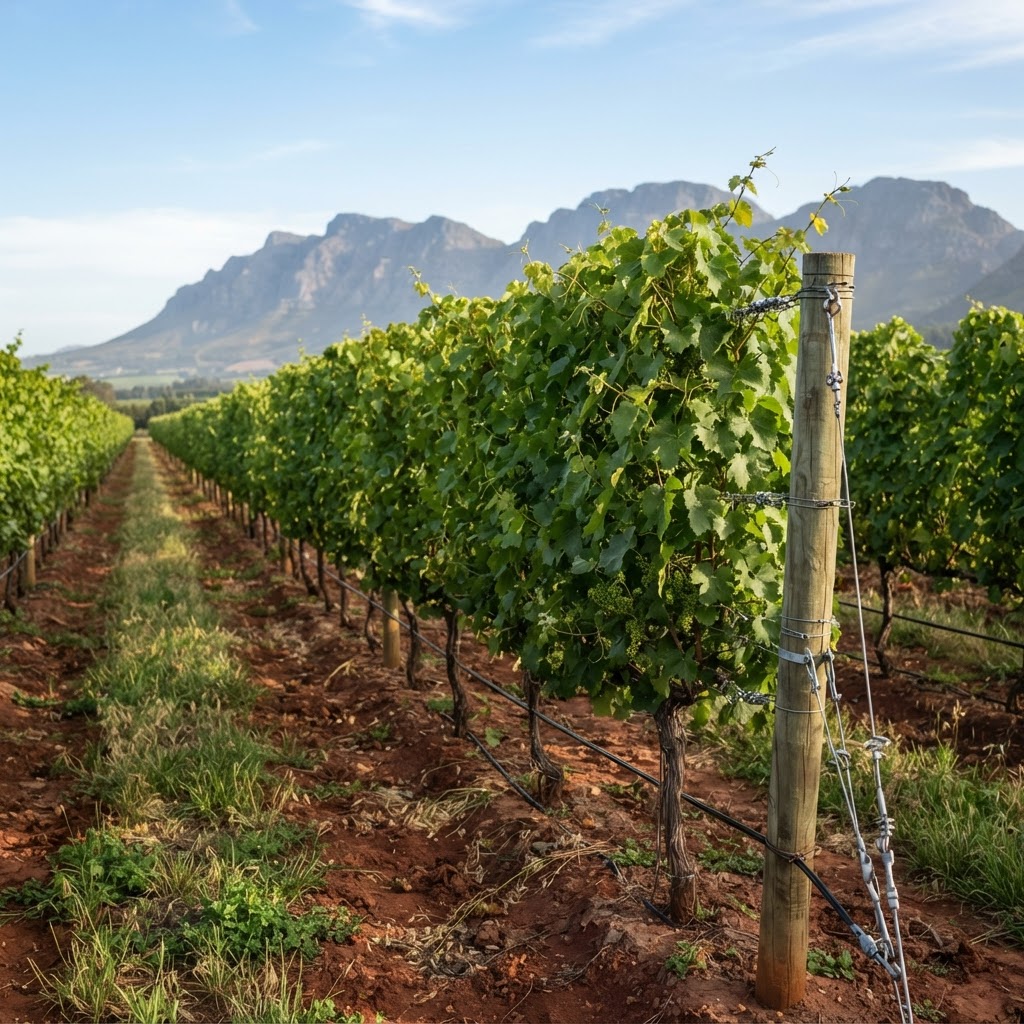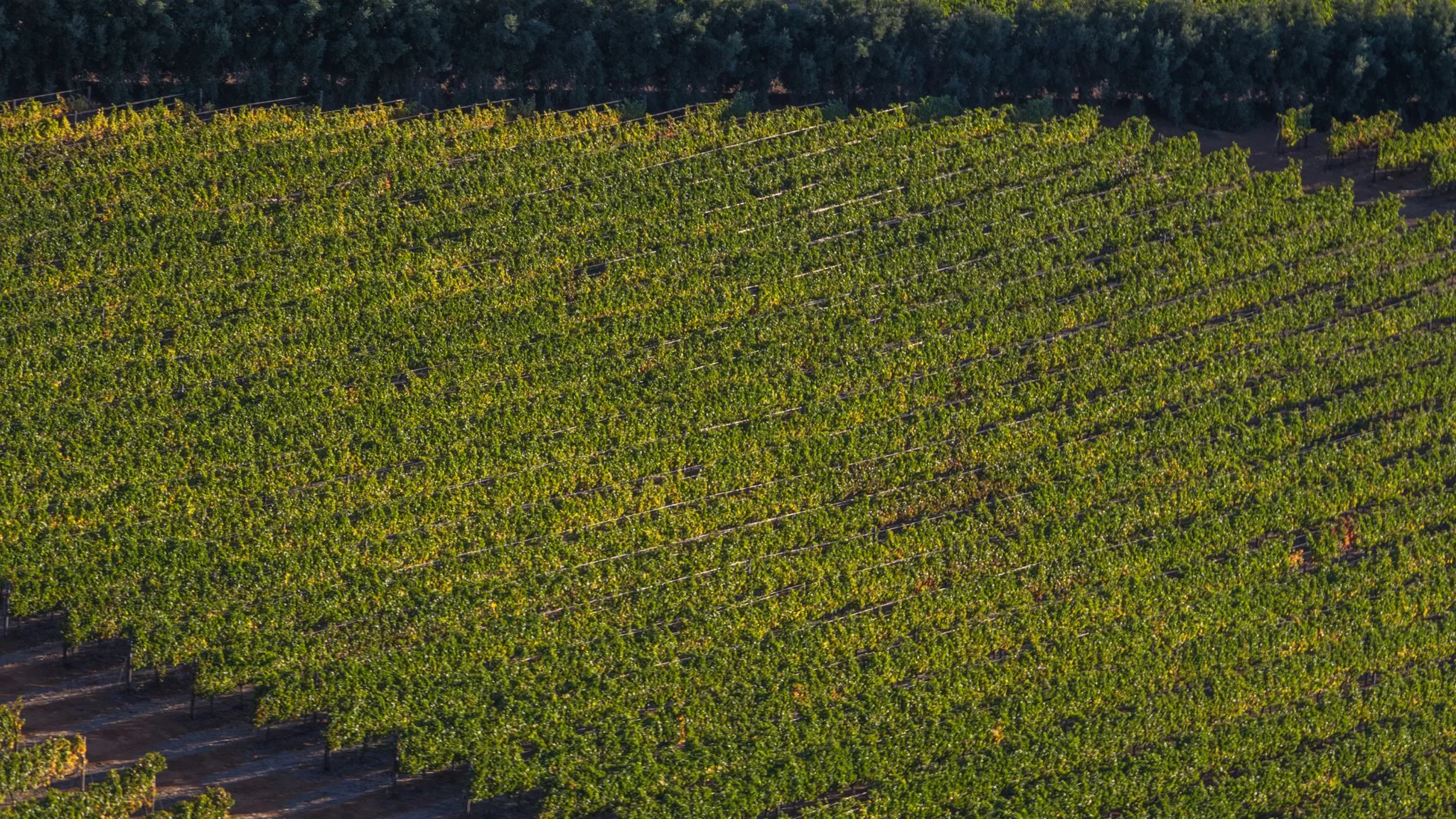
The Cape Winelands of South Africa, renowned for its stunning landscapes and world-class wines, is at the forefront of a growing movement in the wine industry: the rise of organic and biodynamic wines. As more consumers seek environmentally friendly and health-conscious options, vineyards across the region are embracing these sustainable approaches to viticulture. This blog post explores the principles of organic and biodynamic wines, highlighting some of the top vineyards in the Cape Winelands that specialise in these practices.
Understanding Organic and Biodynamic Winemaking
Organic Winemaking
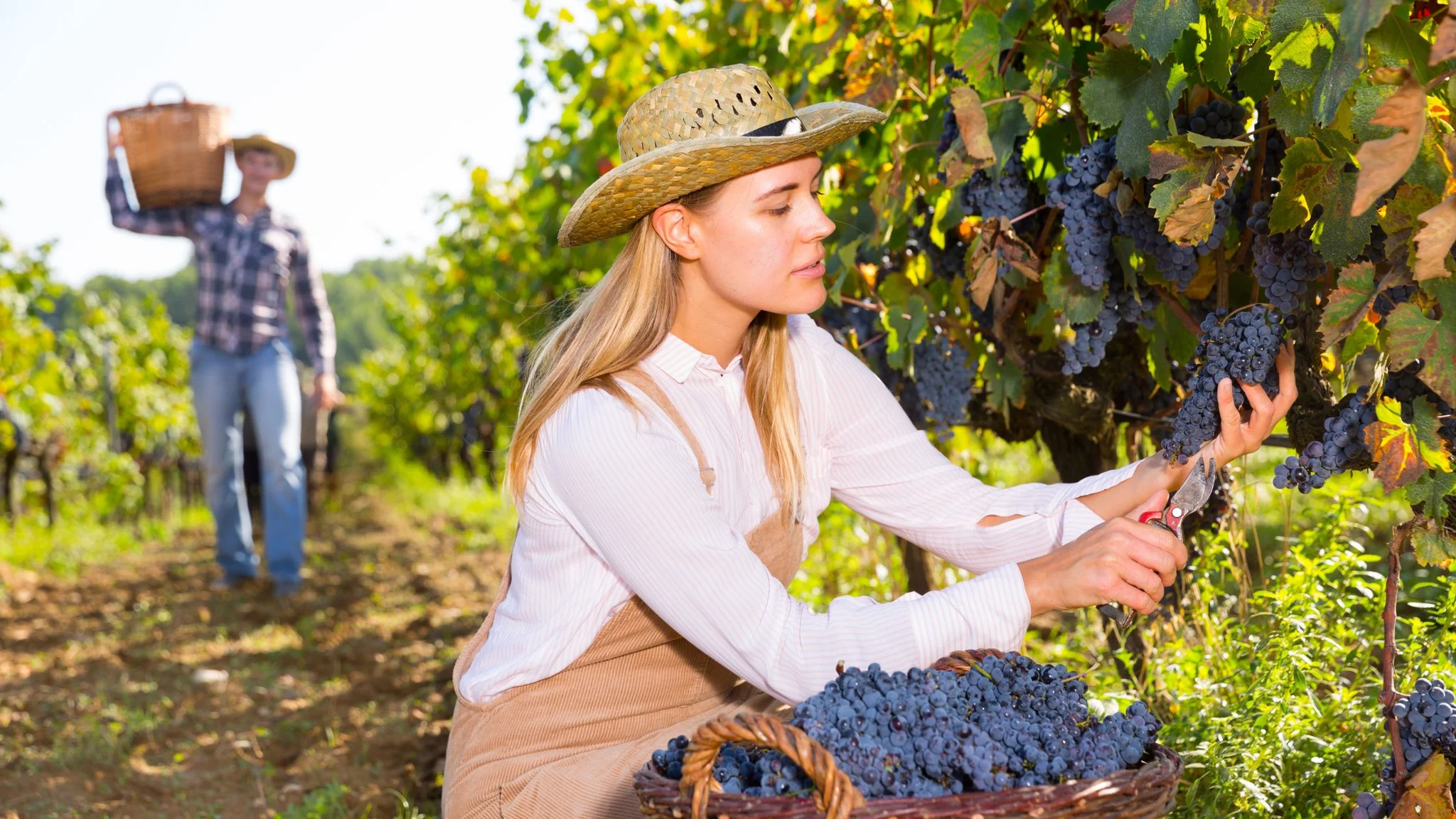
Organic winemaking is centred around the principle of creating wines that are free from synthetic chemicals. This means no artificial pesticides, herbicides, or fertilisers are used in the vineyard. Instead, organic farmers employ natural alternatives and sustainable practices to maintain healthy vines and soil. Organic wines must also be free from genetically modified organisms (GMOs) and adhere to strict regulations throughout the winemaking process.
Biodynamic Winemaking
Biodynamic winemaking takes organic practices further by incorporating holistic and regenerative farming techniques. Developed by philosopher Rudolf Steiner in the early 20th century, biodynamics views the vineyard as a self-sustaining ecosystem. It involves using natural preparations, composting, and aligning farming activities with lunar and cosmic rhythms. Biodynamic vineyards aim to enhance the vitality of the soil, plants, and the overall environment, resulting in wines that are believed to truly express the terroir.
Noteworthy Organic and Biodynamic Vineyards in the Cape Winelands
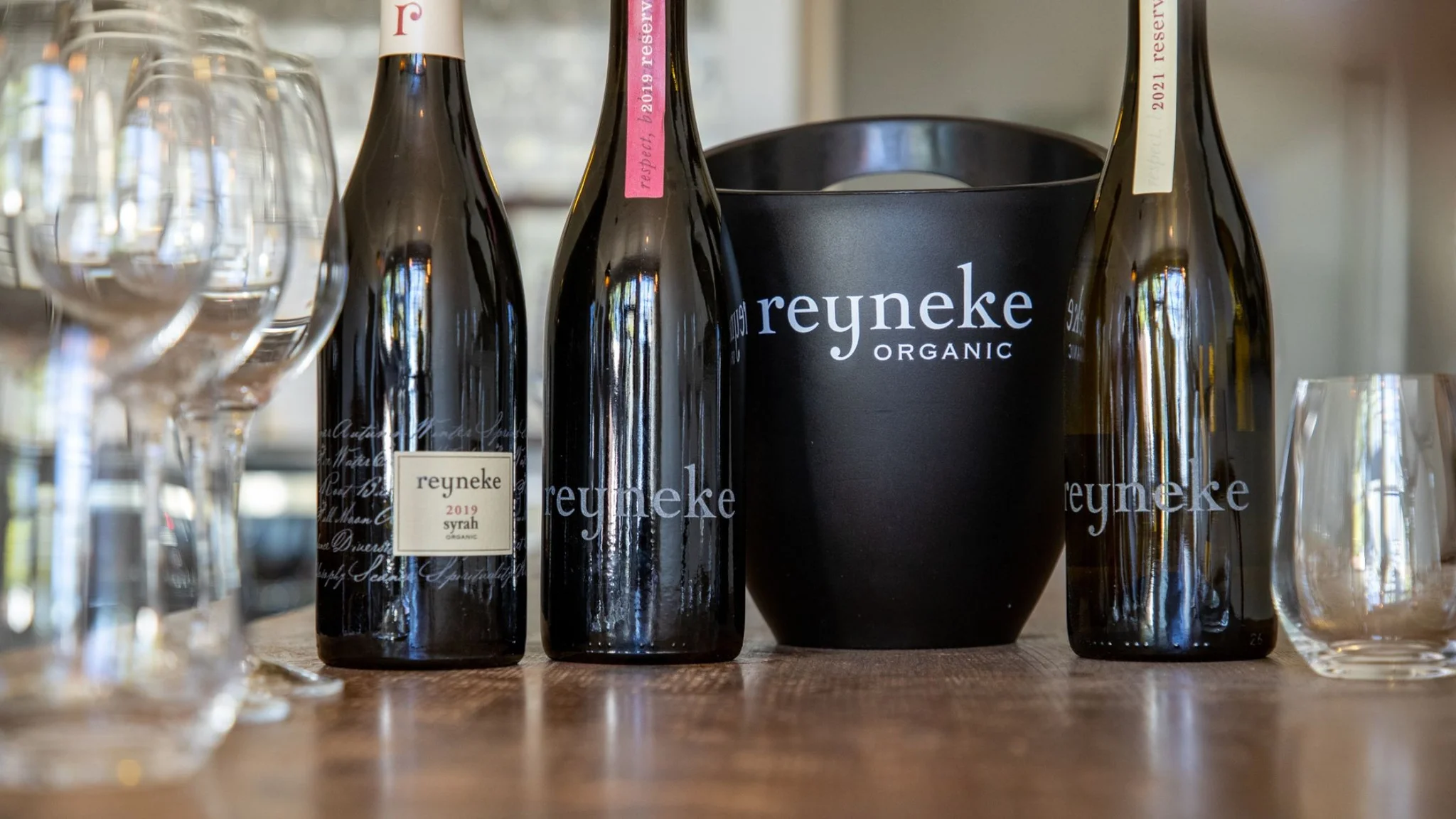
Reyneke Wines
Reyneke Wines, located in the heart of Stellenbosch, is a pioneer of organic and biodynamic viticulture in South Africa. The vineyard was the first in the country to achieve both organic and biodynamic certification. Reyneke’s commitment to sustainable practices is evident in their minimal intervention approach, allowing the natural qualities of the grapes to shine. Visitors to the estate can enjoy tastings of their distinctive wines, including their acclaimed Syrah and Chenin Blanc.
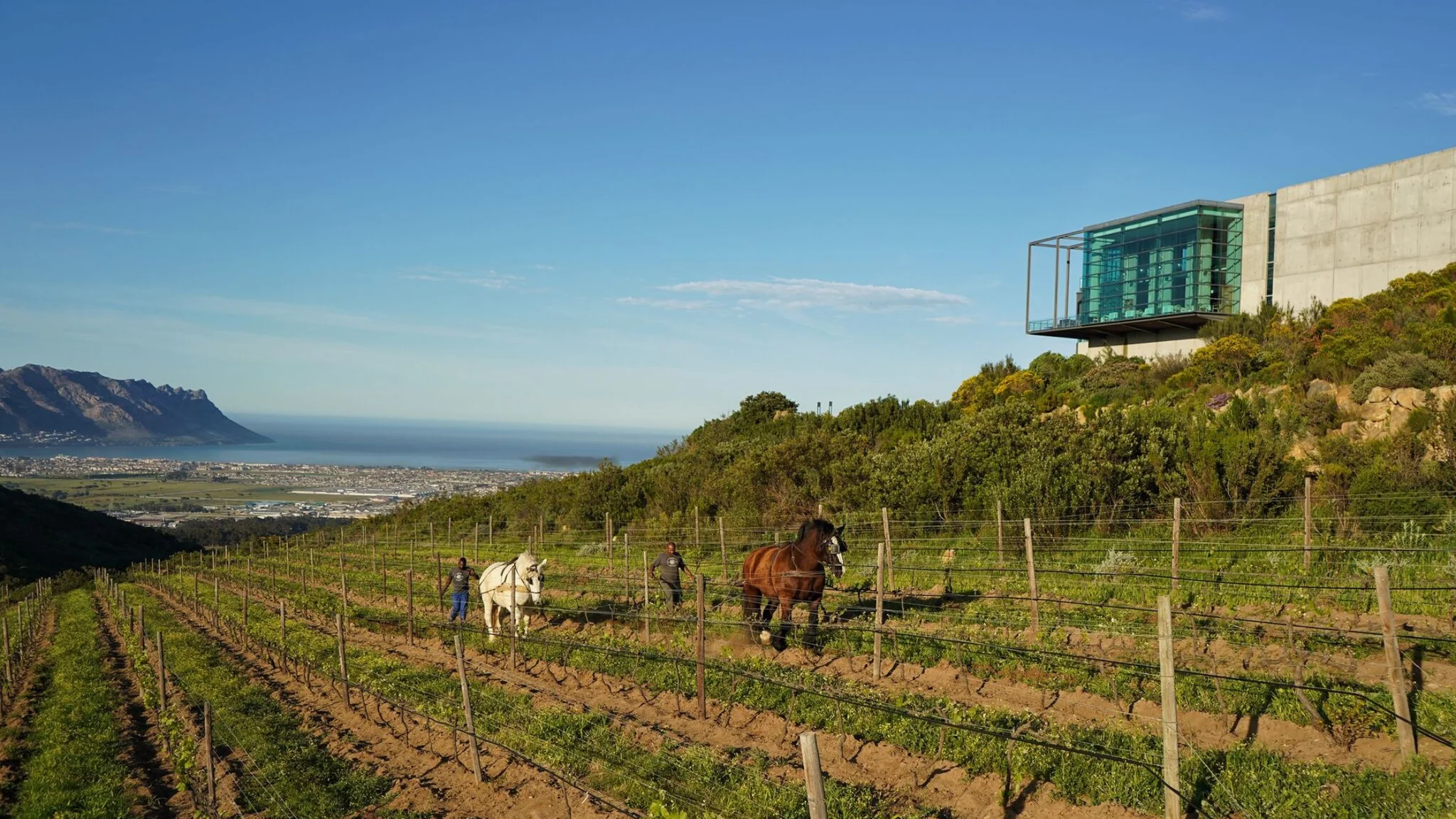
Waterkloof Wine Estate
Perched on the slopes of the Schapenberg, Waterkloof Wine Estate offers breathtaking views and an unwavering dedication to biodynamic farming. The estate’s vineyards are farmed using horse-drawn ploughs and natural composts, creating a balanced and thriving ecosystem. Waterkloof’s winemaking philosophy focuses on minimal interference, producing elegant wines that reflect the unique terroir of the Helderberg region. Highlights include their Sauvignon Blanc and Circumstance Cabernet Sauvignon.
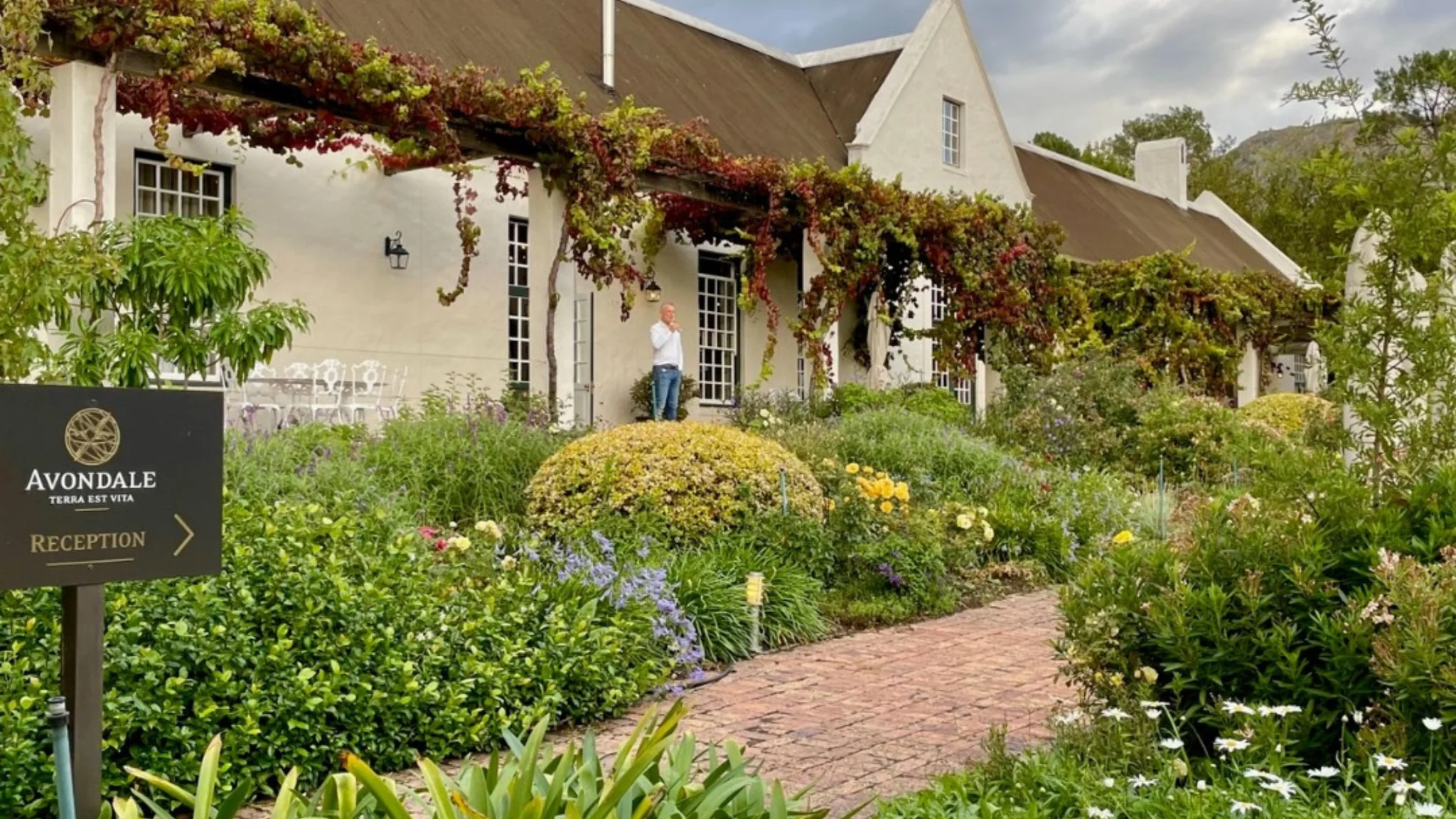
Avondale Wine Estate
Avondale Wine Estate, situated in the picturesque Paarl region, follows the principles of biodynamic agriculture under their ethos of “Terra Est Vita” (Soil is Life). The estate is committed to producing premium wines while nurturing the environment. Avondale employs natural pest control methods, such as using ducks to manage snails in the vineyards. Their wines, like the Anima Chenin Blanc and Samsara Syrah, are celebrated for their purity and complexity.
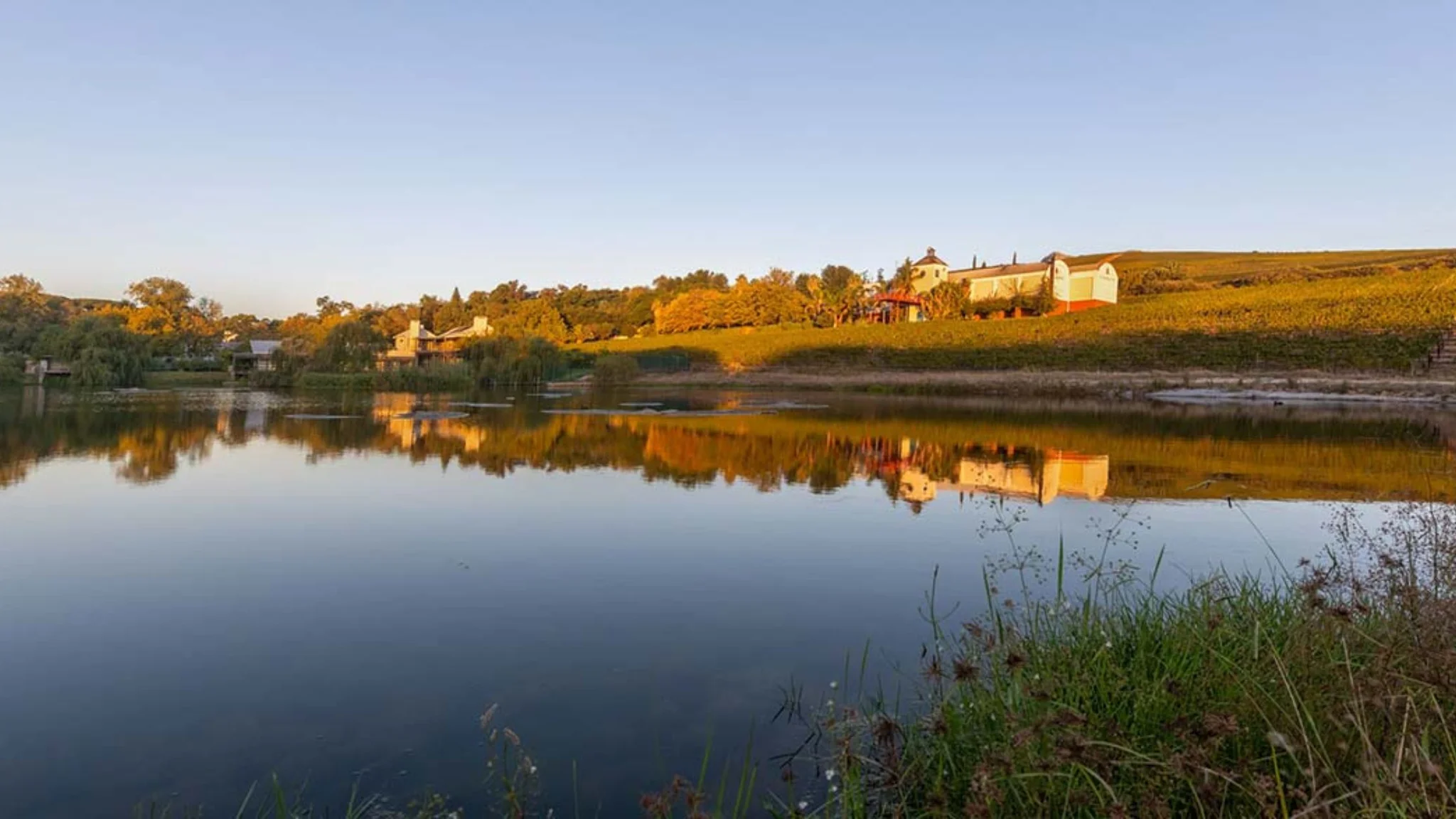
Laibach Vineyards
Laibach Vineyards, nestled in the scenic foothills of the Simonsberg Mountains, embraces organic and biodynamic practices to craft wines with character and depth. The estate focuses on sustainable farming, ensuring that their vineyards thrive without using synthetic chemicals. Laibach’s wines, including their Ladybird Red Blend and Claypot Merlot, are a testament to their commitment to environmental stewardship and quality.
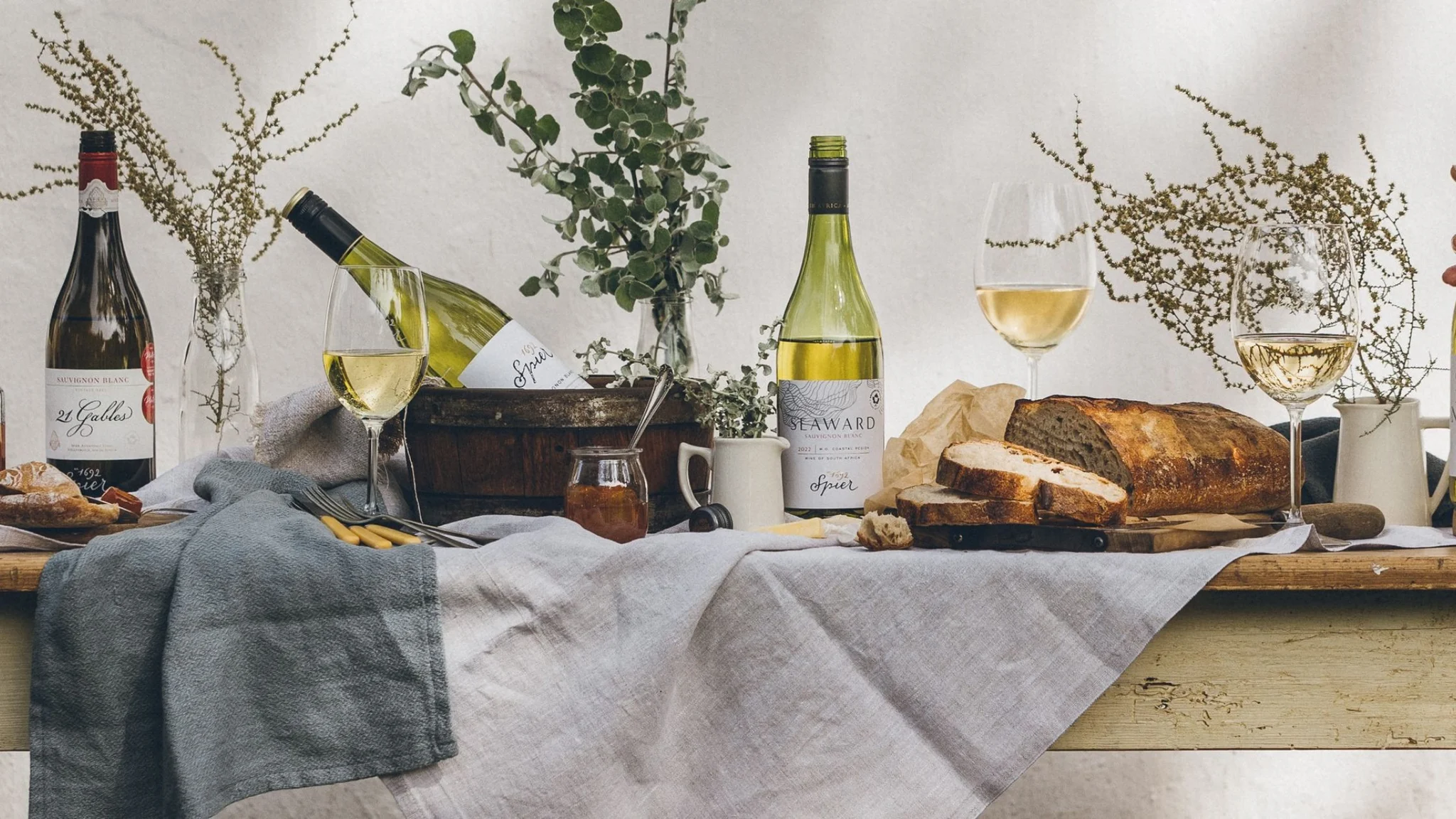
Spier Wine Farm
Spier Wine Farm, one of South Africa’s oldest wine estates, has a long-standing commitment to sustainability and organic farming. The farm’s holistic approach encompasses organic viticulture, water conservation, and biodiversity initiatives. Spier’s wines, such as the Creative Block blends and the 21 Gables range, offer a delightful expression of the farm’s dedication to preserving the land for future generations.
Conclusion
The rise of organic and biodynamic winemaking in the Cape Winelands reflects a broader global trend towards sustainability and environmental consciousness. Vineyards like Reyneke, Waterkloof, Avondale, Laibach, and Spier are leading the way, proving that exceptional wines can be crafted with respect for nature. Whether you’re a seasoned wine enthusiast or a curious traveller, exploring these vineyards offers a unique opportunity to taste the future of winemaking while enjoying the breathtaking beauty of the Cape Winelands.
Embark on a journey through the Cape’s organic and biodynamic vineyards and savour wines that are not only delicious but also kind to the earth. Cheers to a sustainable and flavourful future!