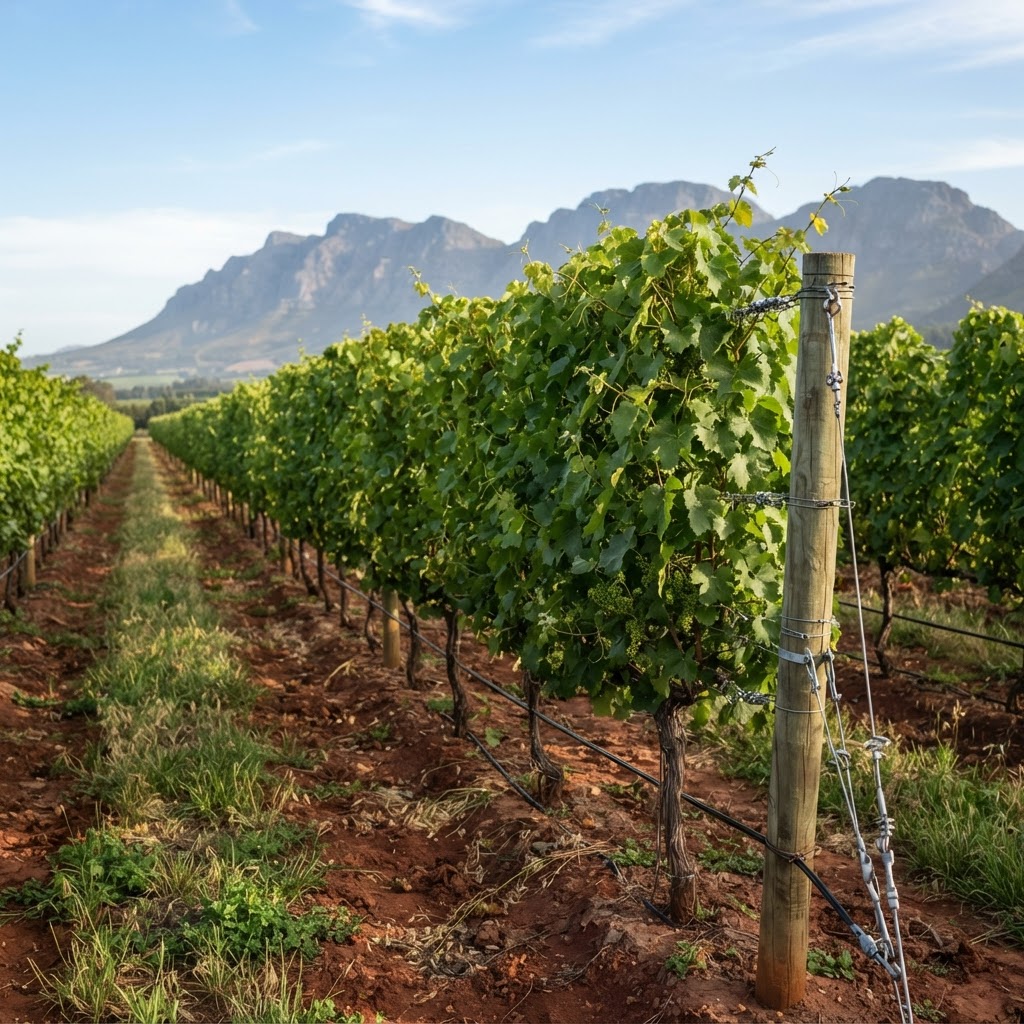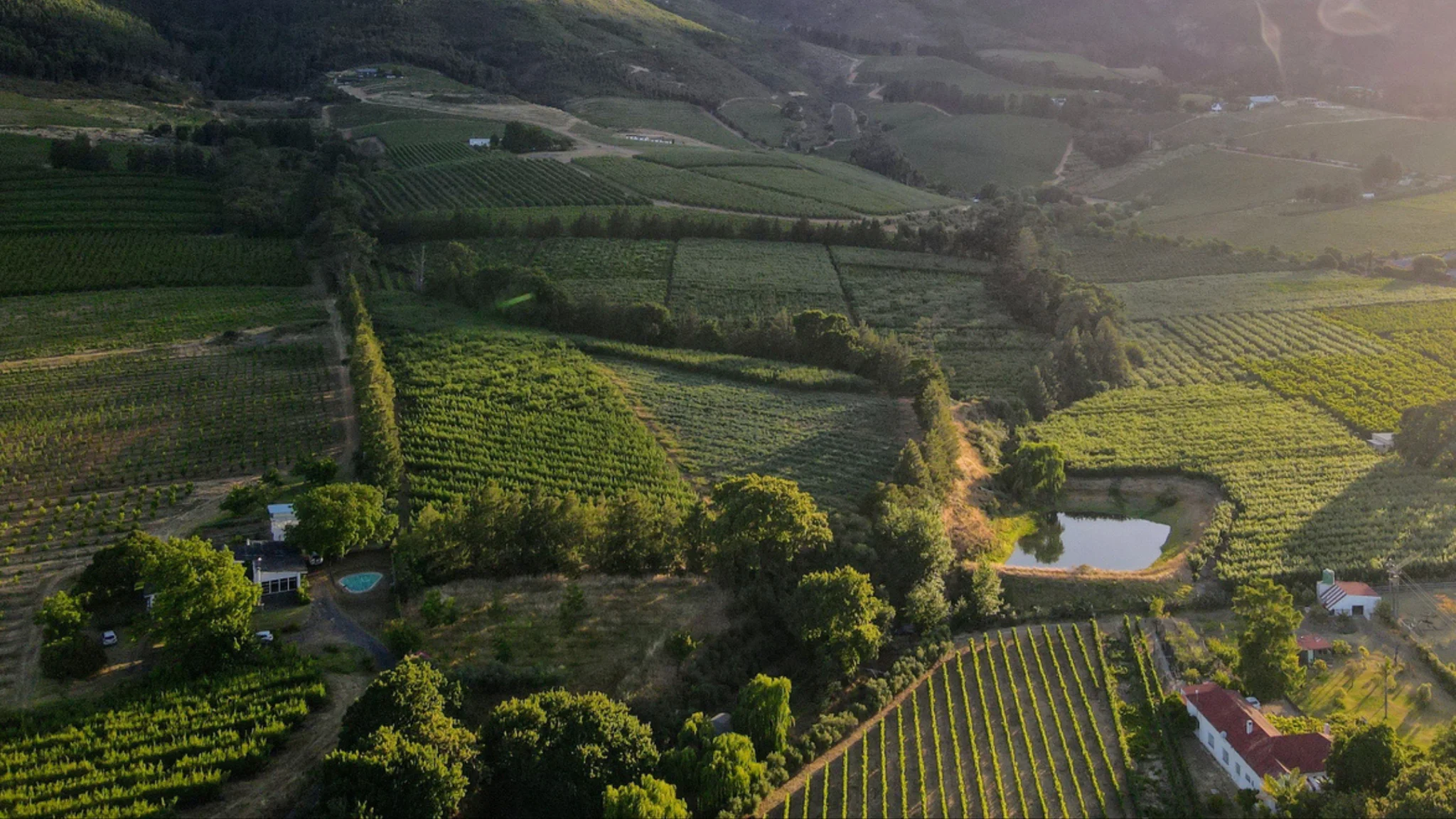
Farming the future? When we talk about the Cape Winelands, we often romanticise the view — gabled manor houses, old vines, hands stained purple at harvest. But behind that postcard-perfect beauty lies something far more modern: data, drones, and some very clever technology quietly farming the future.
As global competition tightens and climate pressures increase, agriculture — including viticulture — can’t rely on tradition alone. Farmers who embrace smart technology are not just surviving; they’re building more efficient, sustainable and profitable operations.
And yes, that affects the wine in your glass.
Precision is the New Romance
The real revolution in agriculture isn’t flashy — it’s precise.
In grain farming, for example, precision agriculture allows producers to plant seeds at variable densities based on soil conditions, apply fertiliser only where it’s needed, and track yields in real time using GPS and cloud-connected harvesters. It’s farming the future, informed by data, not guesswork. Translate that to vineyards and orchards, and you’ll find similar innovations at work. Soil mapping, real-time weather tracking and detailed yield analysis allow farmers to make better decisions — reducing waste while improving quality.
Water, But Make It Smart
Water has become one of agriculture’s most precious resources. Smart irrigation systems now calculate exactly how much water each plant needs, factoring in temperature, humidity, plant variety and even time of day. Instead of blanket irrigation, vines receive targeted hydration — improving fruit quality while conserving resources. It’s a win for both the farmer and the environment.
Drones, Data and the Orchard View
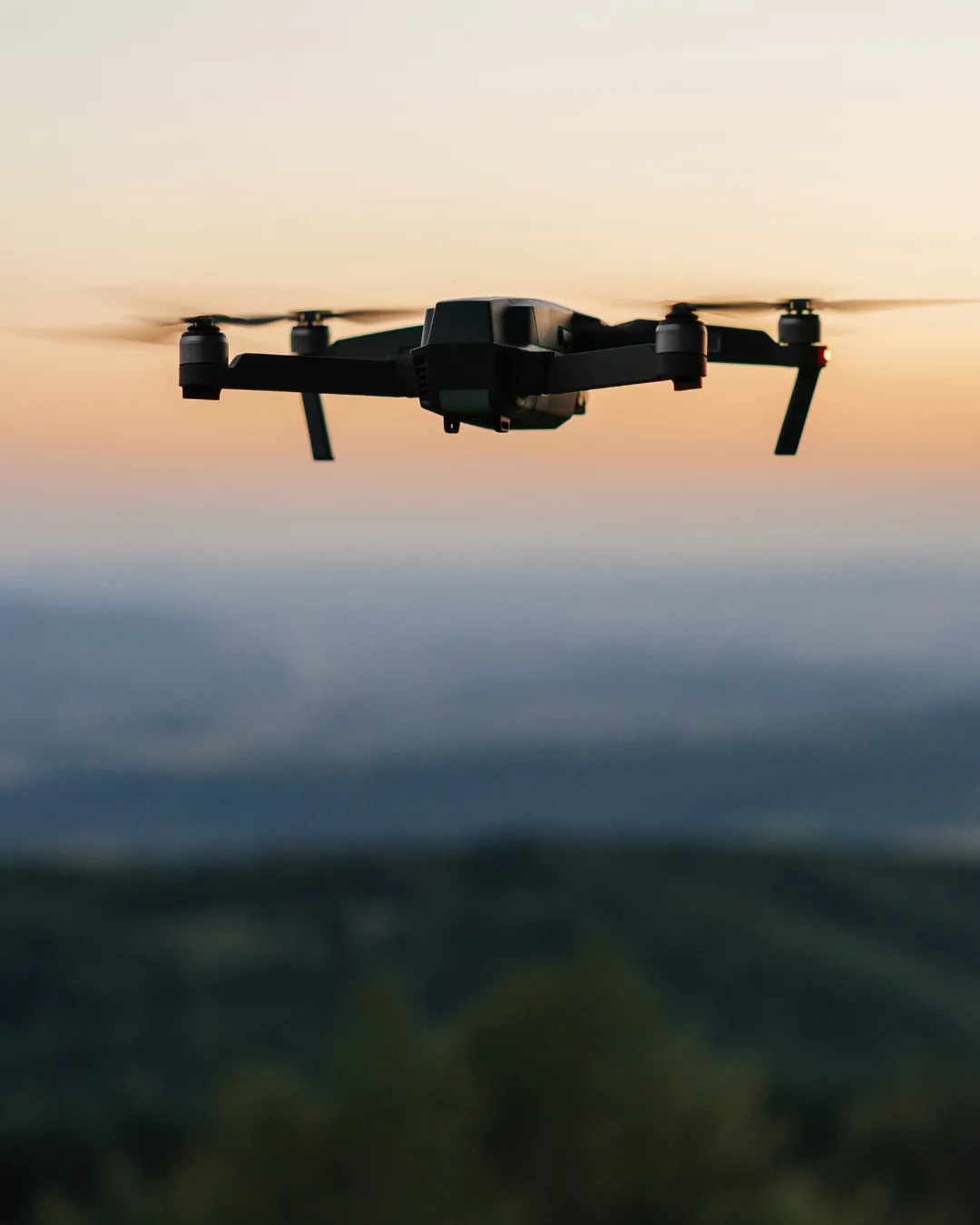
In horticulture, technology is reaching tree level. Drones monitor crops for early signs of pests and disease. Mechanical harvesters increase efficiency. Data-driven systems help farmers intervene before problems escalate. The result? Lower input costs, less chemical usage and greater environmental protection — all without compromising output.
What About Jobs?
Technology in agriculture often raises questions about employment. While some manual roles may shift, new opportunities are emerging — in data analysis, equipment operation, technical maintenance and agricultural technology management. Modern farming increasingly requires both practical knowledge and technical expertise. It’s less about replacing people and more about evolving skill sets.
Why This Matters to the Winelands
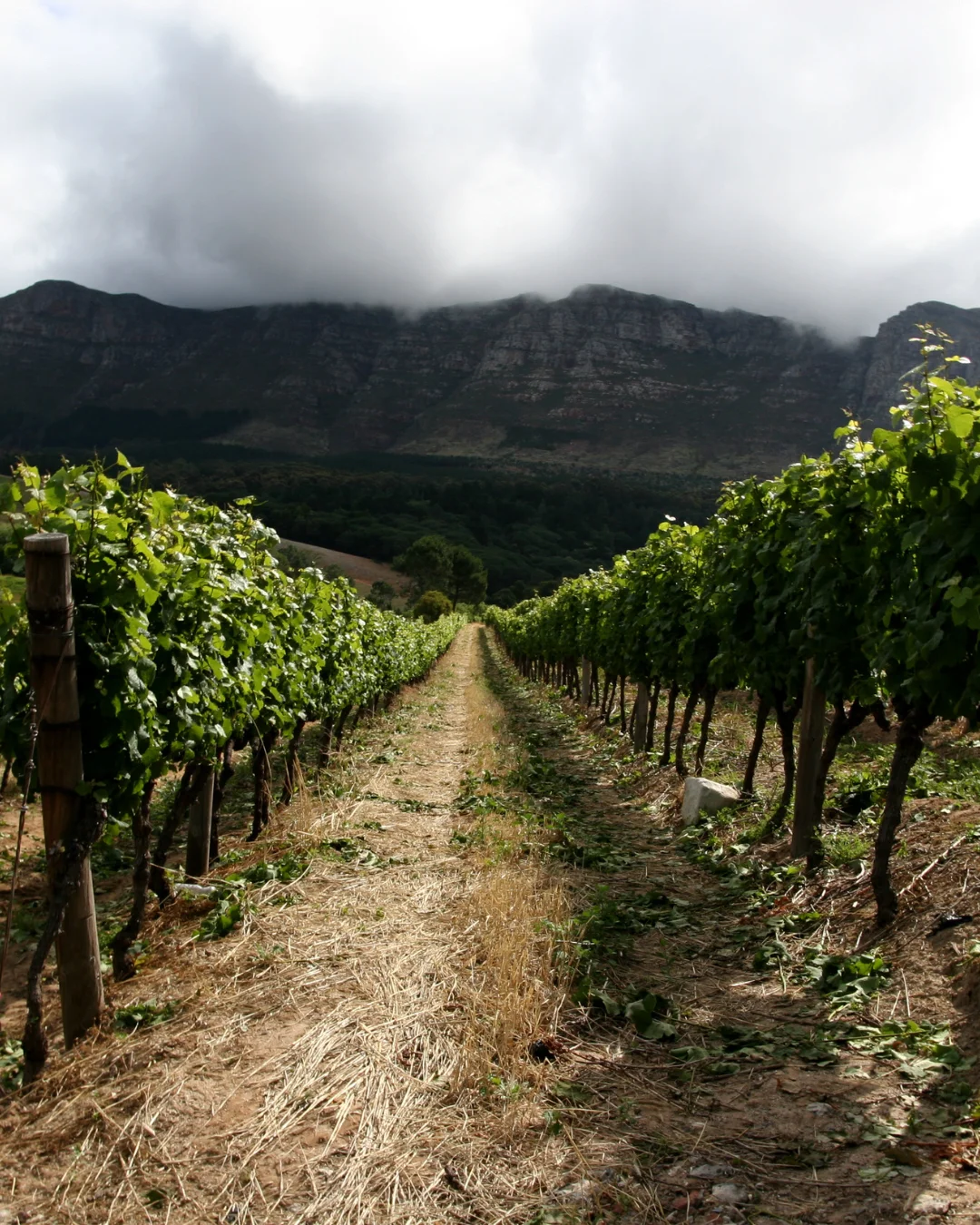
At Wine in the Cape, we celebrate heritage — but we also celebrate innovation. The beauty of the Winelands lies in this balance: centuries-old farming wisdom supported by cutting-edge tools. Technology ensures that vineyards remain resilient in a changing climate. It supports sustainability. It protects profitability. And ultimately, it safeguards the quality of the wines we enjoy.
Farming the future in South Africa isn’t about abandoning tradition. It’s about equipping it.
If you’d like to see how innovation and heritage come together in the Cape Winelands, book a wine tour with Wine in the Cape. We’ll show you the stories behind the vines — old and new