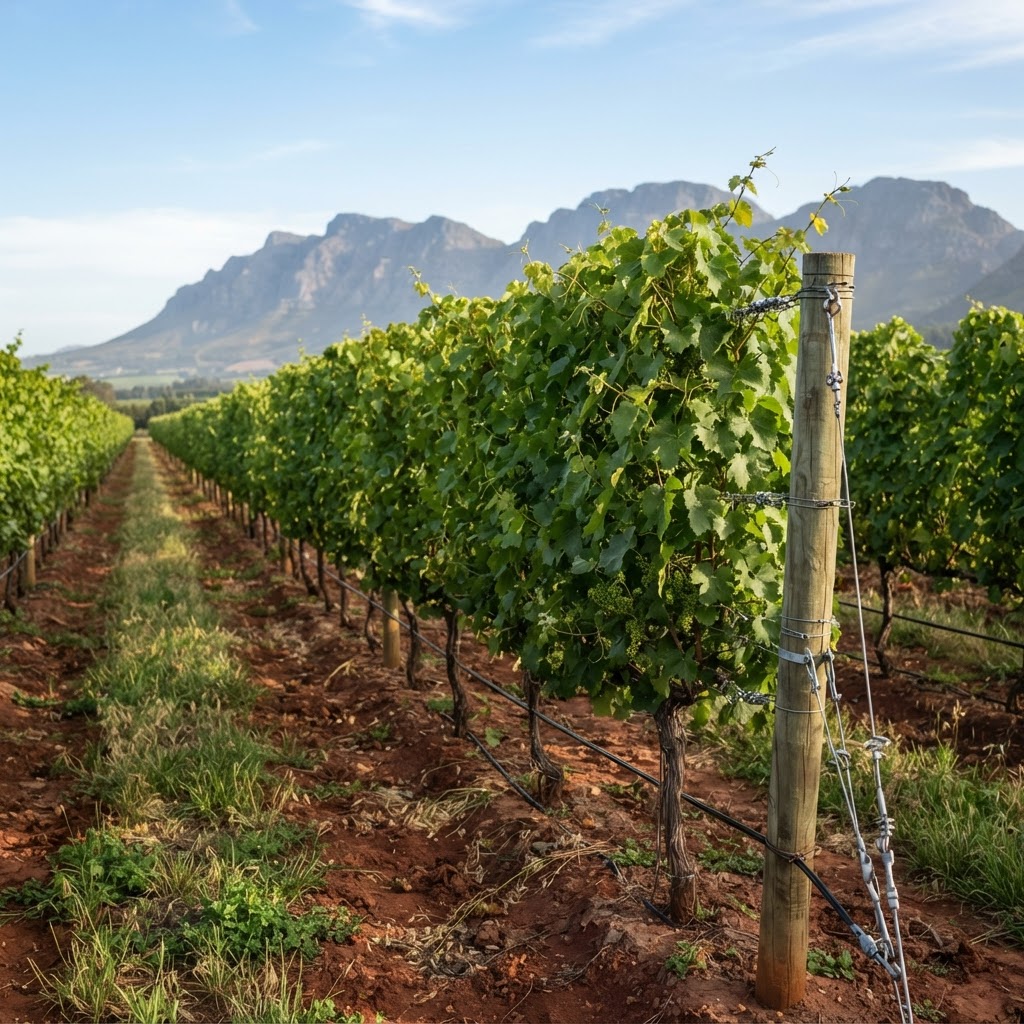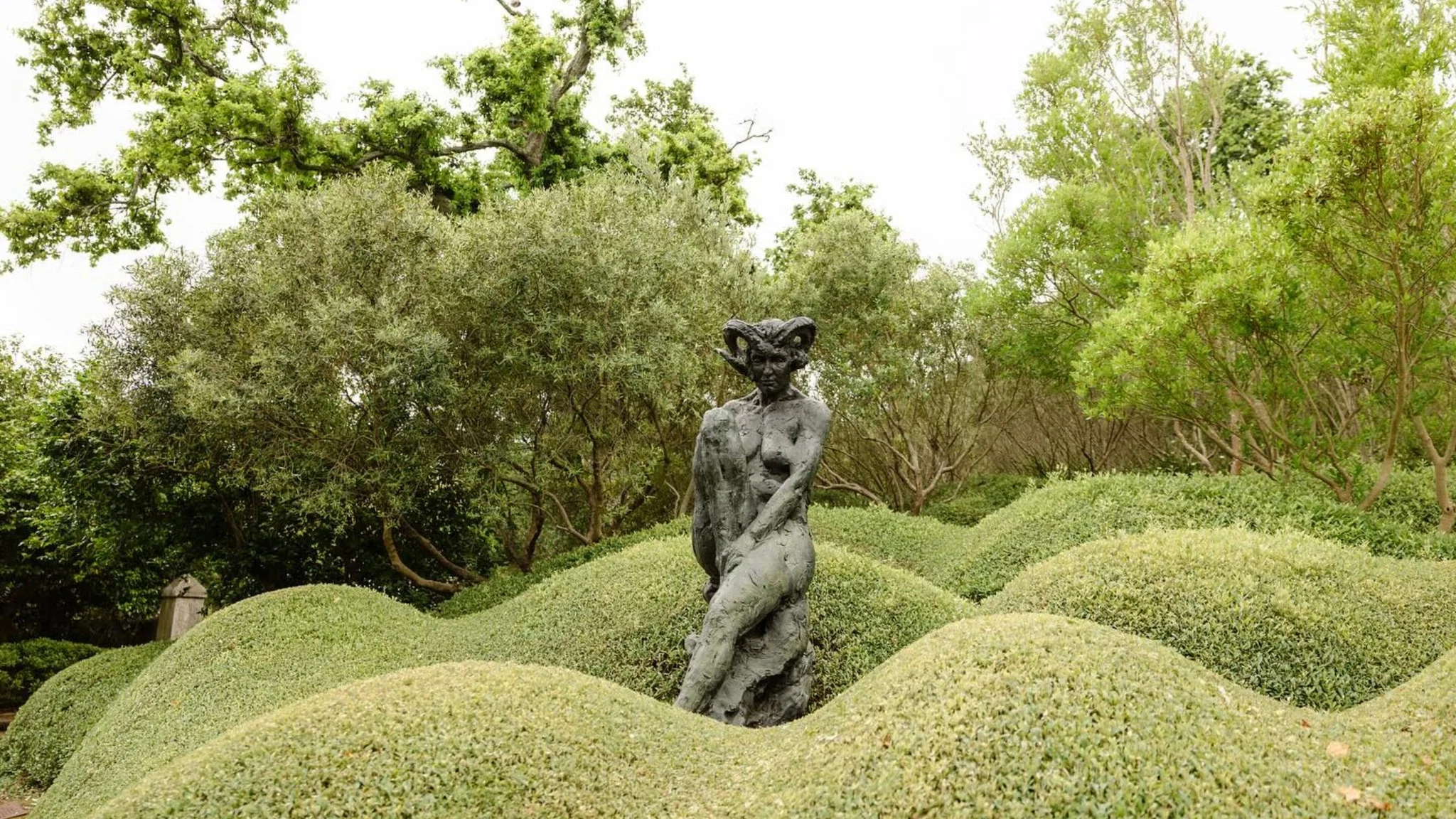
Nestled at the intersection of wilderness and suburbia, the Dylan Lewis Sculpture Garden in Stellenbosch is more than just a garden—it is an immersive artistic and emotional experience. This seven-hectare sanctuary bridges the rugged mountain wilderness, where leopards still roam, with manicured landscapes, offering visitors a glimpse into the profound interplay between the untamed and the tamed.
A Vision Shaped by the Earth
The garden’s origins are as extraordinary as its design. In 2009, sculptor Dylan Lewis began transforming a flat expanse of farmland into a dynamic landscape of hills, valleys, and water features. What started as a simple project to create a play area for his children evolved into what Lewis describes as his largest sculpture to date. Using earth-moving equipment as an extension of his artistic process, he shaped the land with the same intuitive techniques he applies to his sculptures.
A Garden of Myths and Metaphors
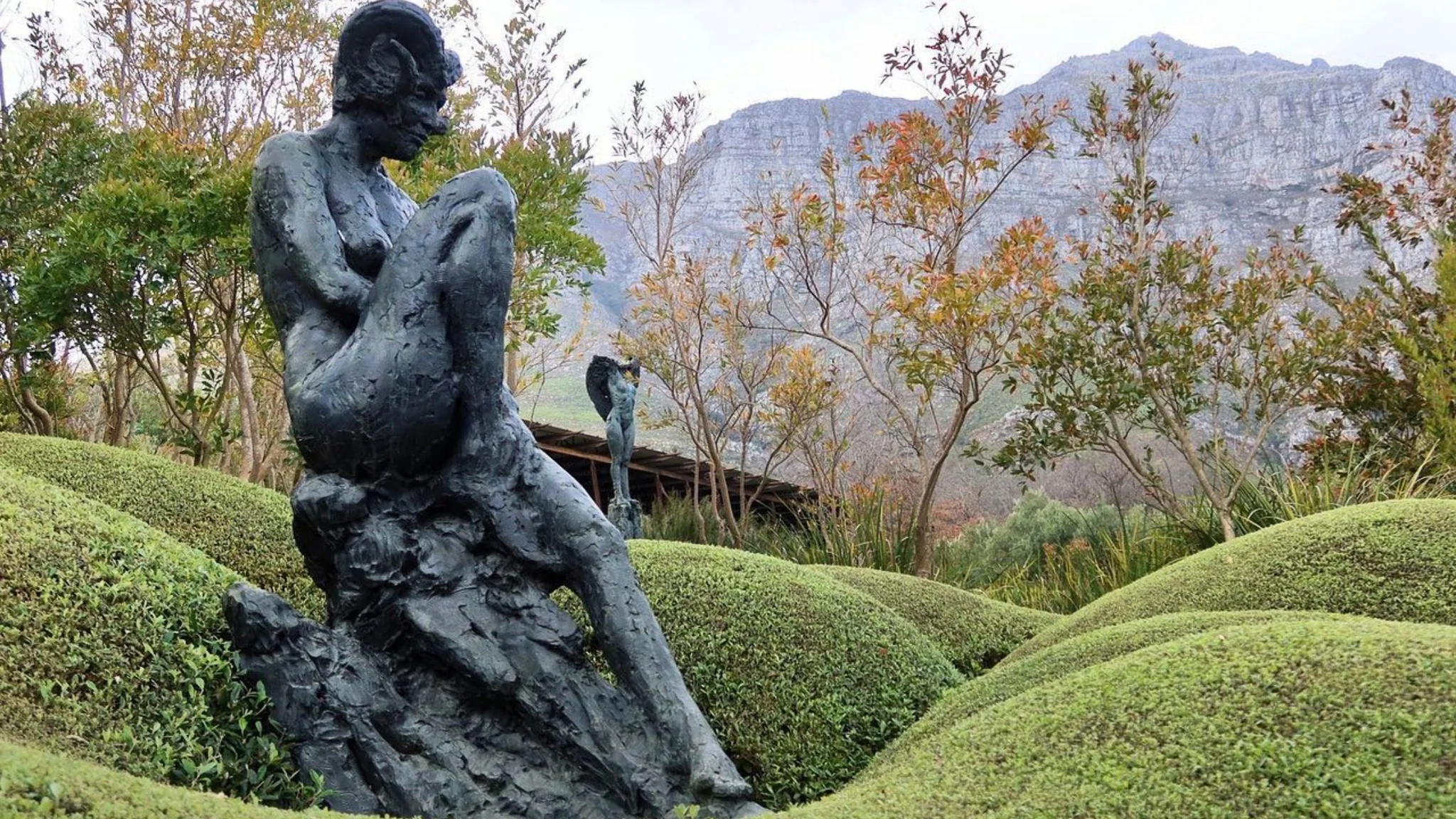
More than 60 sculptures by Lewis are meticulously placed throughout the garden, spanning 4 km of winding paths. These sculptures explore themes central to Lewis’s artistry, such as the Jungian concept of the “wilderness within” and the duality of human existence—caught between the primal and the civilized. The placement of each sculpture was not dictated by a strict plan but by an organic, intuitive process. Over the years, distinct groupings of sculptures have emerged, each telling its own story.
Inspired by Nature and Philosophy
The garden itself is an artwork that draws on the principles of Japanese design, particularly the wabi-sabi aesthetic, which celebrates transience, imperfection, and simplicity. Indigenous fynbos plants take centre stage, showcasing the natural beauty of South Africa. The garden bursts into fragrant life between July and September when buchus and ericas bloom, while year-round highlights include rare plant species sourced from the Kirstenbosch National Botanical Garden.
Four natural water sources sustain this lush environment: a perennial spring, a seasonal mountain river, a borehole, and agricultural water. This harmony between nature and artistry underscores the garden’s philosophy of coexistence.
Lewis’s Art: A Reflection of the Inner Wild
Dylan Lewis’s sculptures are more than visual masterpieces—they are deeply emotional and philosophical expressions. His fascination with wilderness stems from his upbringing in a strict religious environment and his subsequent exploration of non-judgmental paths. For Lewis, nature represents a paradoxical sanctuary—both indifferent to human existence and profoundly freeing.
This duality resonates in his work, which often grapples with the tension between human and animal, wild and tame, creation and destruction. Through his sculptures, Lewis invites visitors to confront these themes within themselves, exploring their “authentic, untamed inner nature.”
The Garden’s Spiritual Journey
Central to the garden is a theme of a personal quest—the search for meaning in life’s mysteries. Inspired by British sculptor Henry Moore’s words, Lewis has dedicated his life to a task he describes as impossible to complete. The Dylan Lewis Sculpture Garden reflects this aspiration, offering visitors a space to contemplate their own journeys amid art and nature.
Visiting the Dylan Lewis Sculpture Garden
The Dylan Lewis Sculpture Garden is a haven for art enthusiasts, nature lovers, and those seeking introspection. With its breathtaking vistas, intricate sculptures, and harmonious design, it provides a unique opportunity to connect with both the outer world and the wilderness within.
See their events: Dylan Lewis Events
Plan your visit to this remarkable space and experience a landscape that transcends art, nature, and human emotion. Here, every path, sculpture, and bloom tells a story of transformation, balance, and the enduring quest for the unknown.