Understanding the Role of Weather in the Wines You Love
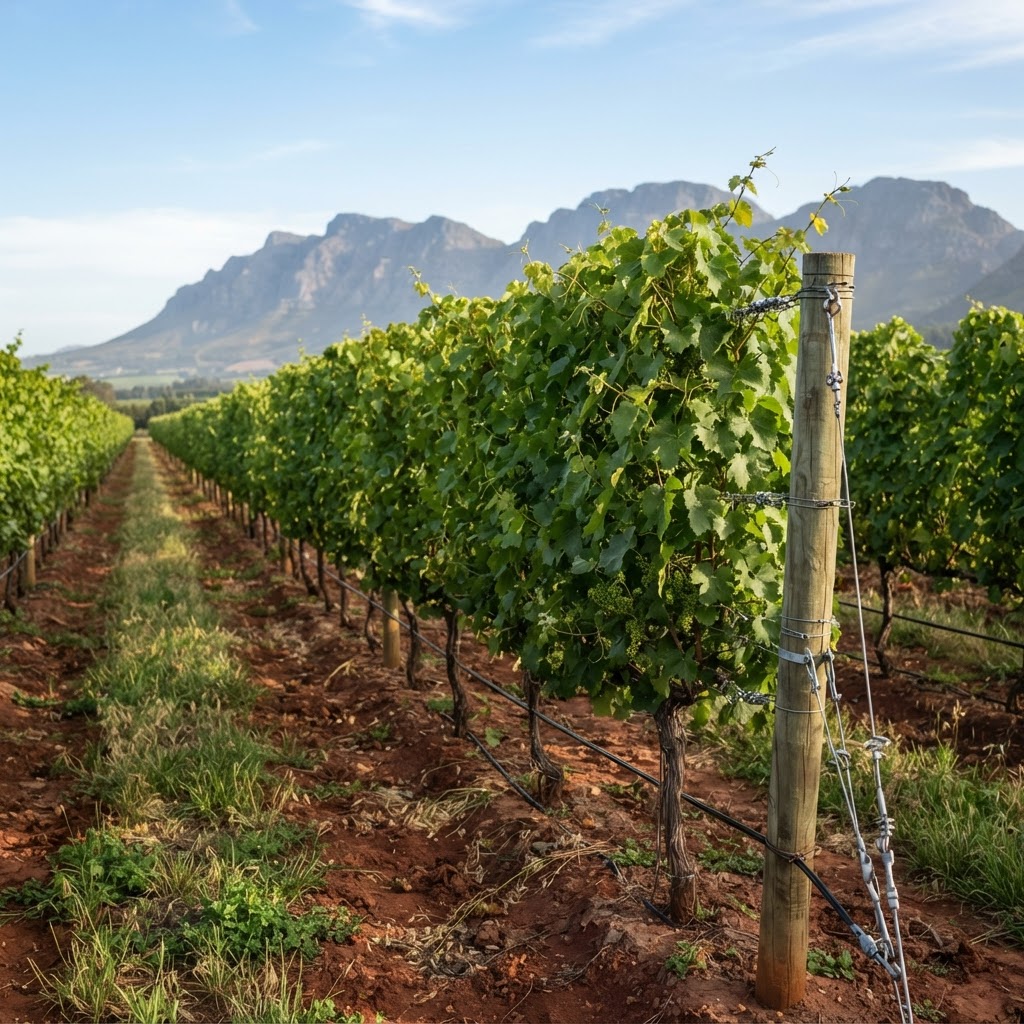
When you swirl a glass of wine and take that first sip, you’re not just tasting grapes — you’re tasting the climate impact on wine. From the crisp freshness of a Sauvignon Blanc to the bold structure of a Cabernet Sauvignon, a wine’s style and flavour are deeply influenced by the climate in which its grapes are grown. In this guide, we explore how climate — both regional and vintage-specific — shapes the character of wine, with a focus on South Africa’s diverse wine regions.
What Is Climate in Wine?
In viticulture, climate impact on wine refers to the long-term weather patterns of a winegrowing region. It impacts grape ripening, sugar and acid balance, tannin development, and ultimately, the style, aroma, and structure of the finished wine.
There are three key categories of climate:
- Cool Climate: Slower ripening, higher acidity, lighter body (e.g. Elgin, Hemel-en-Aarde)
- Moderate Climate: Balanced ripening and structure (e.g. Stellenbosch, Constantia)
- Warm Climate: Faster ripening, lower acidity, fuller body (e.g. Robertson, Swartland)
How Climate Influences Wine Characteristics
Here’s how different climates typically impact the taste and profile of wine:
| Climate Type | Key Traits | Resulting Wine Characteristics |
|---|---|---|
| Cool | Long ripening, lower temperatures | Higher acidity, lower sugar, lighter alcohol, fresh fruit notes |
| Warm | Fast ripening, more sunlight | Lower acidity, higher sugar, fuller body, ripe or dried fruit flavours |
| Variable/Transitional | Mix of cool/warm elements | Balanced acidity, complex flavours, versatile structure |
Climate and Grape Varietals
Some grapes perform better in certain climates. For example:
- Cool Climate Varietals:
- Sauvignon Blanc
- Chardonnay (unoaked)
- Pinot Noir
- Riesling
- Warm Climate Varietals:
- Shiraz/Syrah
- Cabernet Sauvignon
- Chenin Blanc (rich styles)
- Grenache
Planting the right grape in the right place is one of the most important decisions a winemaker makes — a concept known as terroir.
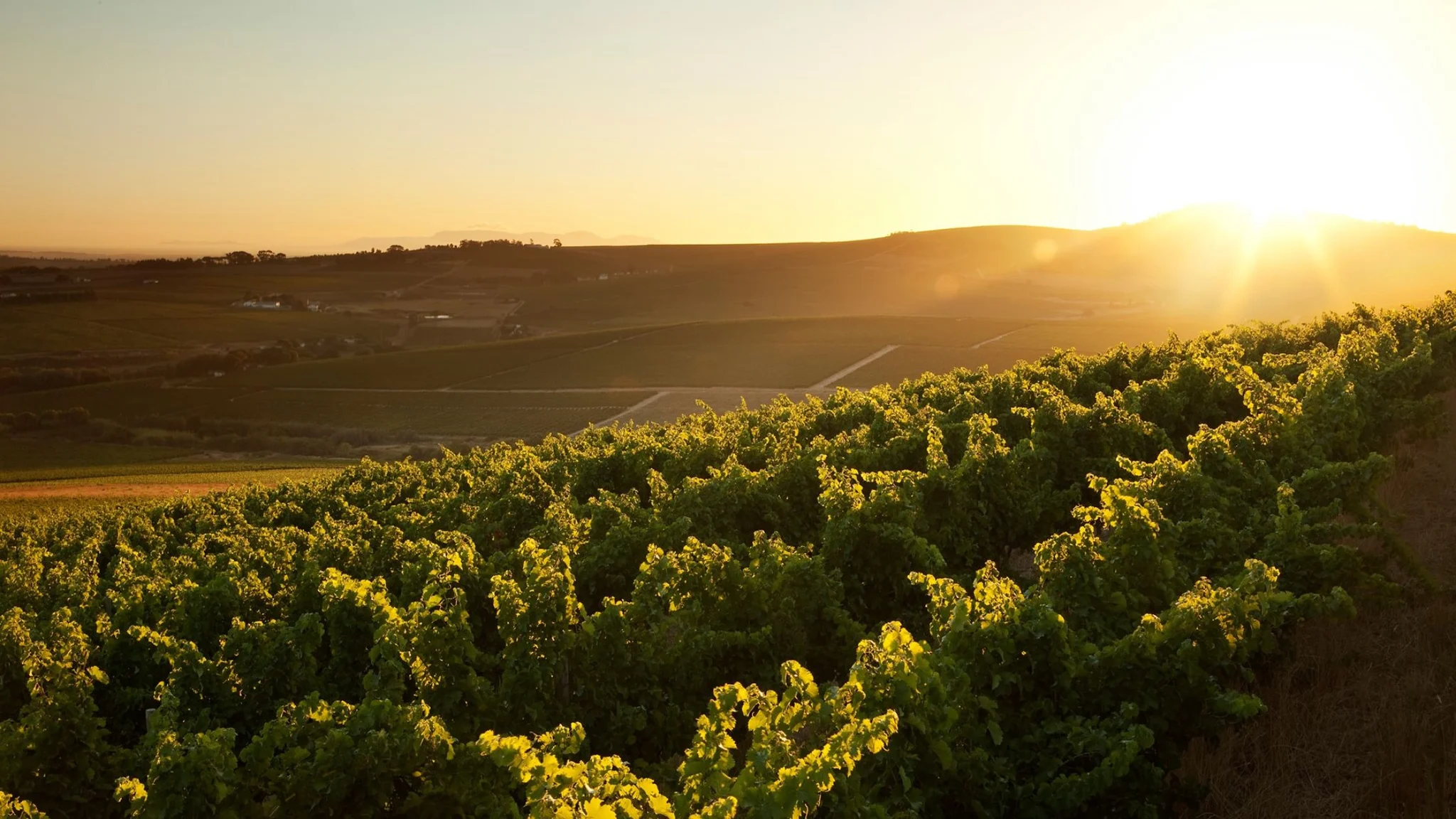
South Africa’s Wine Climates
South Africa offers a wide range of winegrowing climates, thanks to its unique geography and proximity to the Atlantic and Indian Oceans. This diversity allows for incredible variety in wine styles — often within the same region.
1. Elgin & Hemel-en-Aarde – Cool Climate
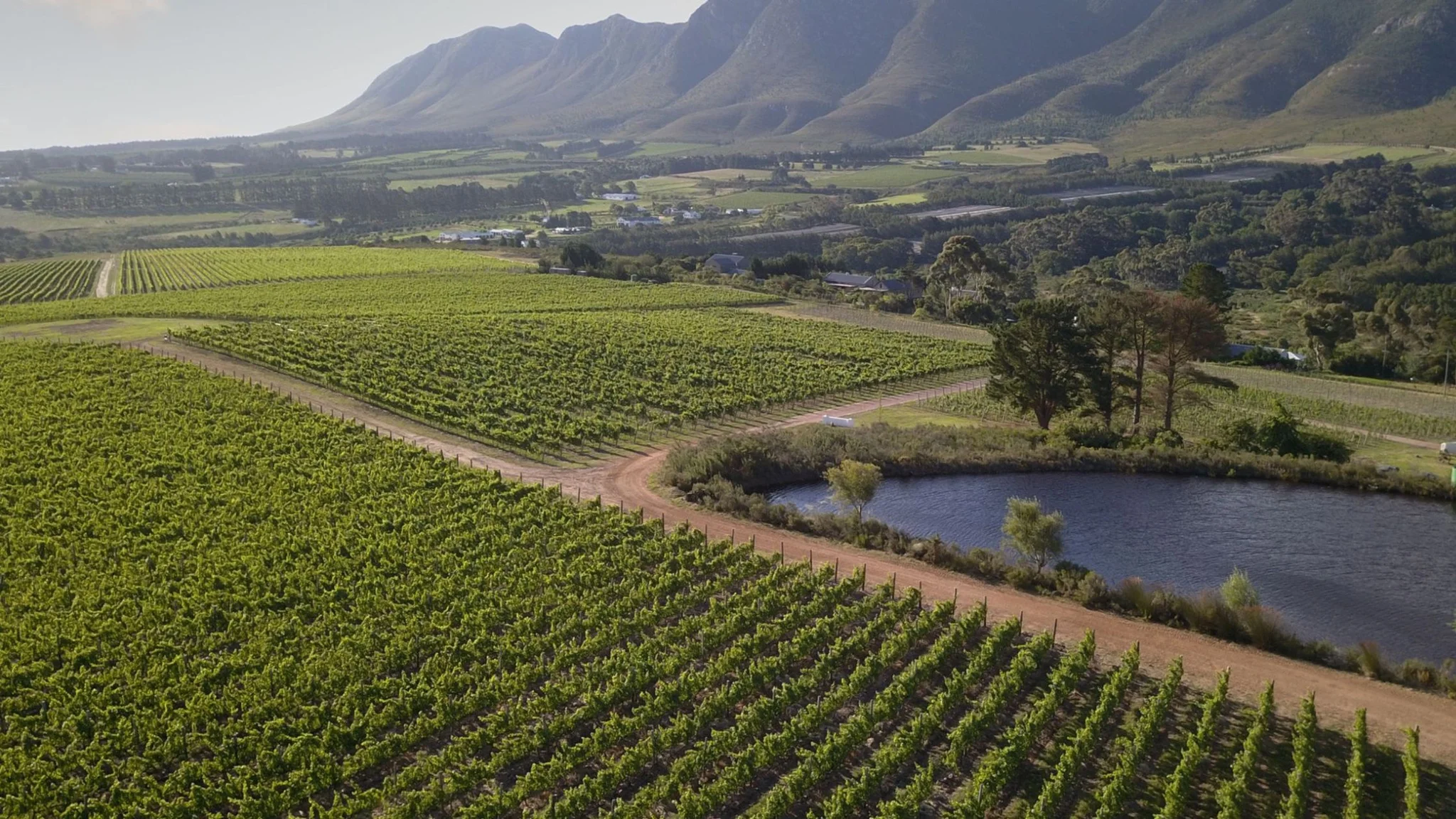
Cool ocean breezes and elevation make these ideal for Pinot Noir and Chardonnay. Wines tend to be elegant, with high acidity and mineral structure.
2. Stellenbosch – Moderate to Warm Climate
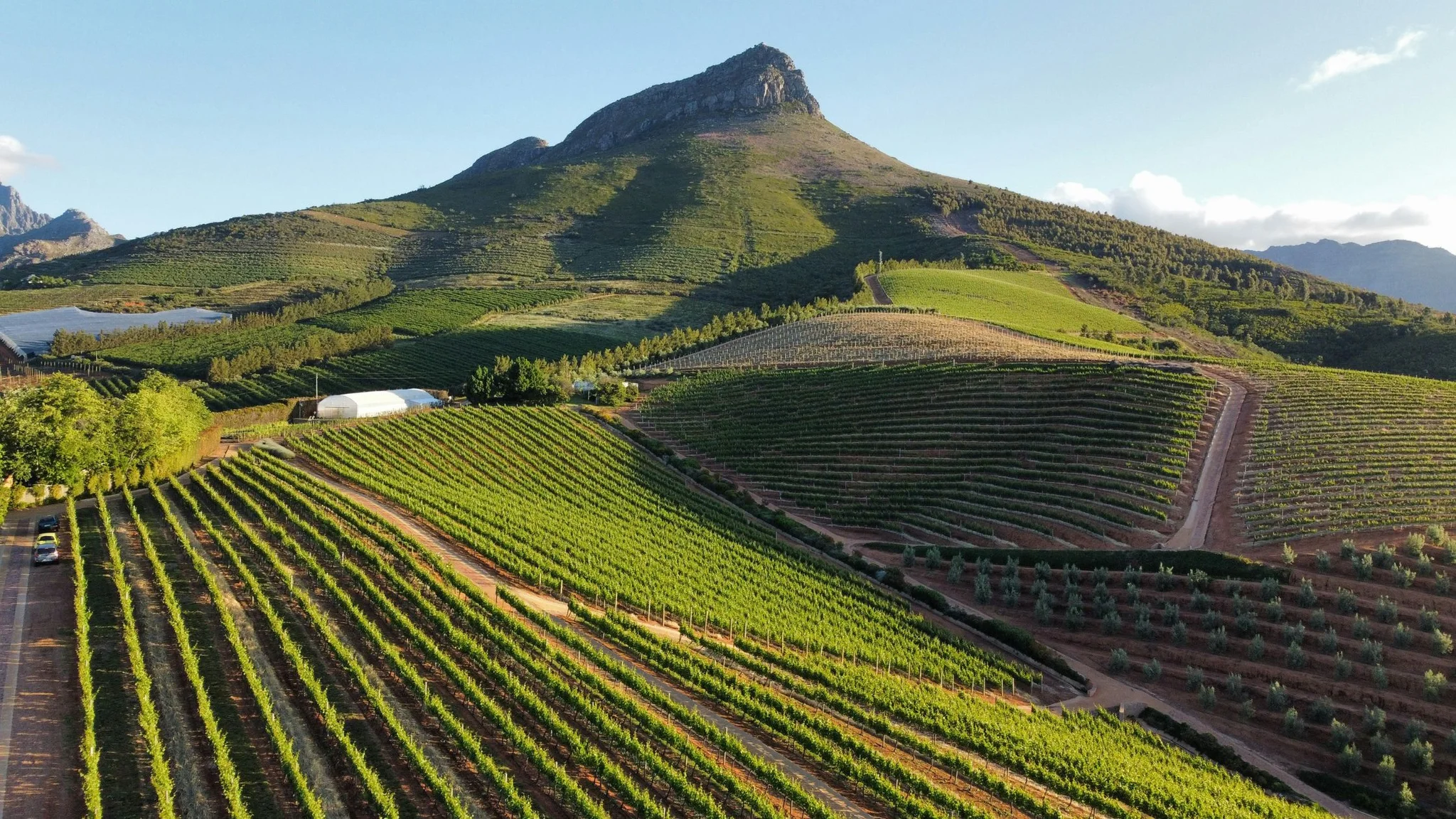
Home to both mountain-cooled slopes and sun-soaked valleys, Stellenbosch produces everything from structured Cabernet to complex Chenin Blanc.
3. Swartland & Robertson – Warm Climate
Known for bold reds and richly styled whites. Expect ripe fruit, smooth tannins, and full-bodied wines.
4. Franschhoek & Constantia – Moderate Climate
These areas benefit from coastal influence and produce fresh Sauvignon Blancs, refined reds, and beautiful Cap Classique.
Vintage Variation: When Weather Changes Everything
While climate refers to long-term patterns, weather during a specific growing season — or vintage — also matters. Factors like rainfall, frost, and heat spikes can affect:
- Grape yield and quality
- Sugar and acid levels
- The concentration and balance of the wine
Some years produce exceptional vintages with perfect conditions. Others require skill and adaptability from winemakers to maintain quality.
Why Climate Matters to Wine Lovers
Understanding climate helps you:
- Predict the style of wine before you taste it
- Choose wines that suit your preferences (crisp and light vs rich and bold)
- Appreciate the craft behind regionally expressive wines
- Make informed wine pairing decisions
When you know how climate impacts wine, you begin to understand the story behind each bottle — one shaped by sun, rain, wind, and soil.
Final Thoughts
From the refreshing acidity of a cool-climate Chardonnay to the powerful fruit of a warm-climate Shiraz, climate is the invisible hand that shapes every wine. South Africa’s diverse winegrowing regions offer something for every palate, all thanks to the rich and varied climates that make this country so unique.
Curious to explore the differences for yourself?
Let Wine in the Cape craft a custom wine tour through contrasting regions like Elgin and Stellenbosch — so you can experience the influence of climate in every glass.
Contact us: hello@wineinthecape.com
Website: www.wineinthecape.com