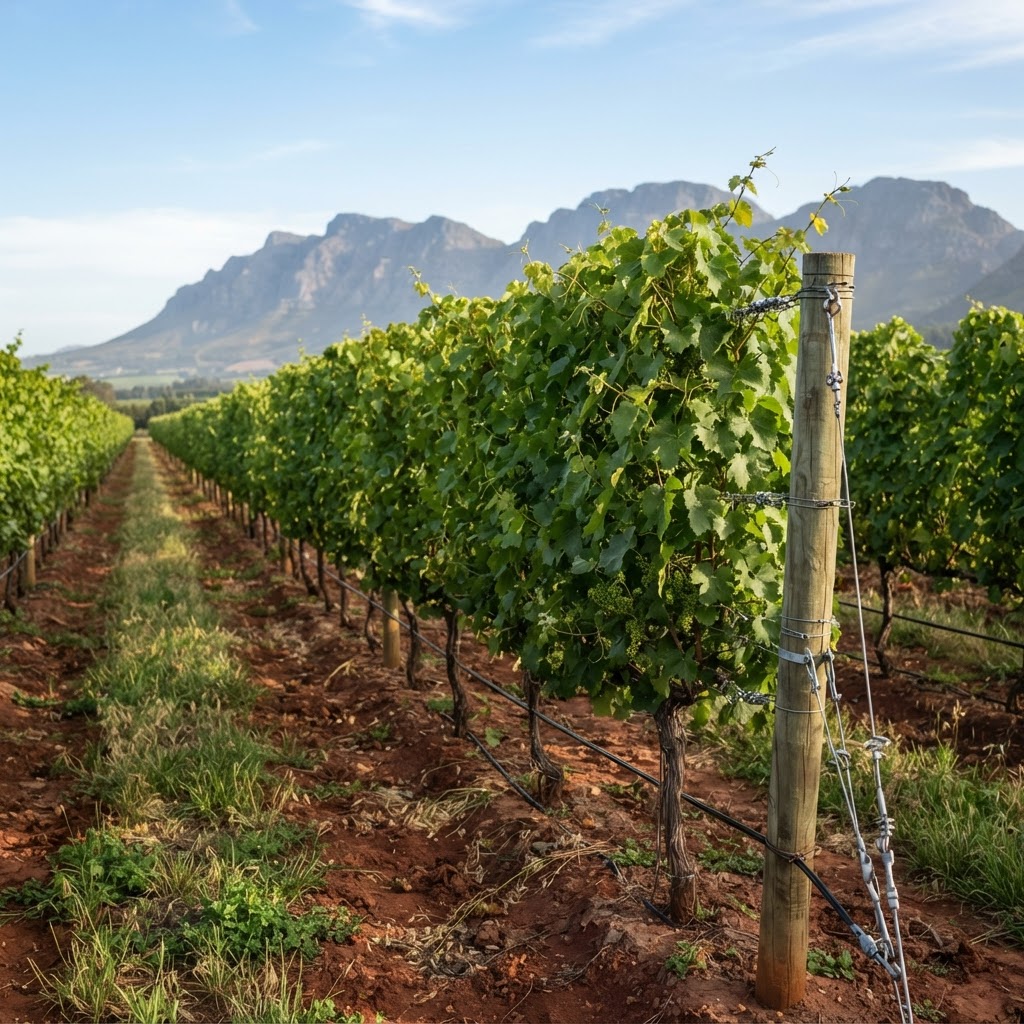
When exploring the world of wine, you’ll often come across the terms “aroma” and “bouquet.” While they’re sometimes used interchangeably, they actually refer to different aspects of a wine’s smell. Understanding the distinction between aroma and bouquet can deepen your appreciation and help you describe wines more accurately. Whether you’re a first-time taster or a seasoned wine lover touring the Cape Winelands, this guide will help clarify the difference.
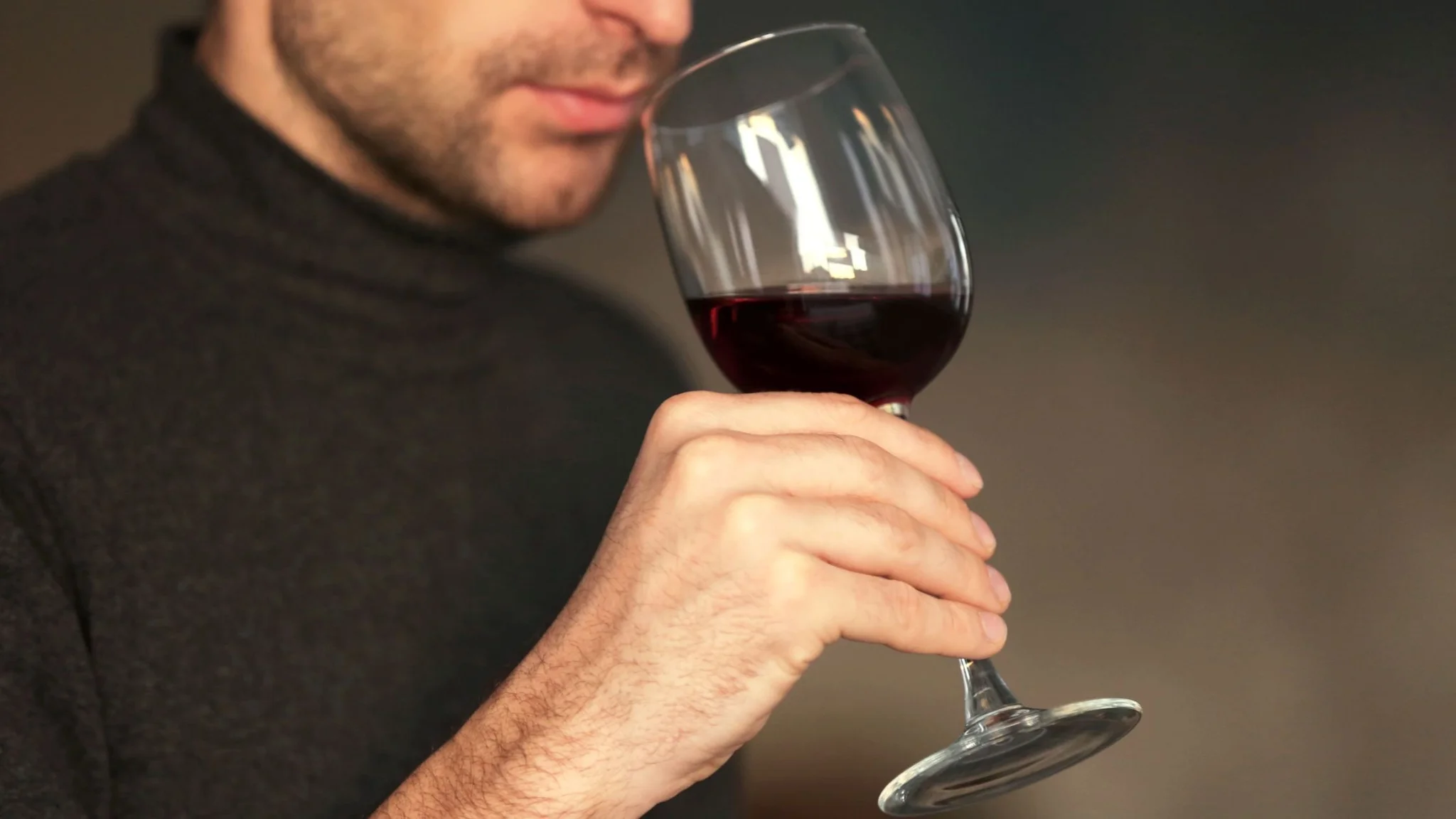
What Is Aroma in Wine?
Aroma refers to the primary scents that come directly from the grape variety and the fermentation process. These are the fresh, vibrant smells you’ll detect as soon as you swirl and sniff your glass.
Common Wine Aromas:
- Fruit: Citrus, berry, tropical, orchard fruit (e.g. peach, pear, apple)
- Floral: Rose, violet, honeysuckle
- Herbal/Fresh: Grass, mint, eucalyptus, green bell pepper
- Spice: Pepper, anise, clove (usually in younger wines)
These aromas are most prominent in young wines and are key indicators of the grape variety used. For example, a Sauvignon Blanc from Elgin might have intense aromas of gooseberry and lime, while a Pinotage from Stellenbosch could offer notes of plum and cherry.
What Is a Bouquet in Wine?
Bouquet refers to the secondary and tertiary aromas that develop as wine ages and evolves, either in oak barrels or in the bottle. These are more complex, layered, and often subtler than primary aromas.
Common Wine Bouquets:
- Oak influence: Vanilla, toast, cedar, smoke
- Bottle ageing: Leather, tobacco, forest floor, dried fruit, mushroom
- Oxidative notes: Nutty, honeyed, savoury tones
Bouquet becomes more noticeable in aged wines, especially premium red blends or barrel-aged whites like Chardonnay or Chenin Blanc. A mature Bordeaux-style red from the Cape Winelands, for example, might have a bouquet of cigar box, dried herbs, and earthy undertones.

Aroma vs Bouquet: A Quick Comparison
| Feature | Aroma | Bouquet |
|---|---|---|
| Origin | Grape and fermentation | Ageing (oak or bottle) |
| Common in | Young wines | Aged wines |
| Typical notes | Fruit, floral, herbaceous | Spices, earthy, woody, savoury |
| Complexity level | Fresh and simple | Complex and layered |
Why the Distinction Matters
Knowing the difference between aroma and bouquet can:
- Help you describe wines more accurately
- Enhance your wine tasting vocabulary
- Guide your understanding of a wine’s age and quality
During wine tastings in Stellenbosch, Franschhoek, or Paarl, you’ll likely hear winemakers and sommeliers refer to both. A young MCC may be praised for its bright citrus aromas, while an aged Cabernet Sauvignon may be noted for its earthy bouquet.
Final Thoughts
Understanding the difference between aroma and bouquet adds a new layer to your wine knowledge. Aroma reveals the grape’s essence, while bouquet tells the story of time, ageing, and transformation.
Want to explore both in person? Let Wine in the Cape curate a personalised wine tasting experience where you’ll learn to detect both the lively aromas of young wines and the refined bouquet of aged vintages.
📧 hello@wineinthecape.com
🌐 www.wineinthecape.com