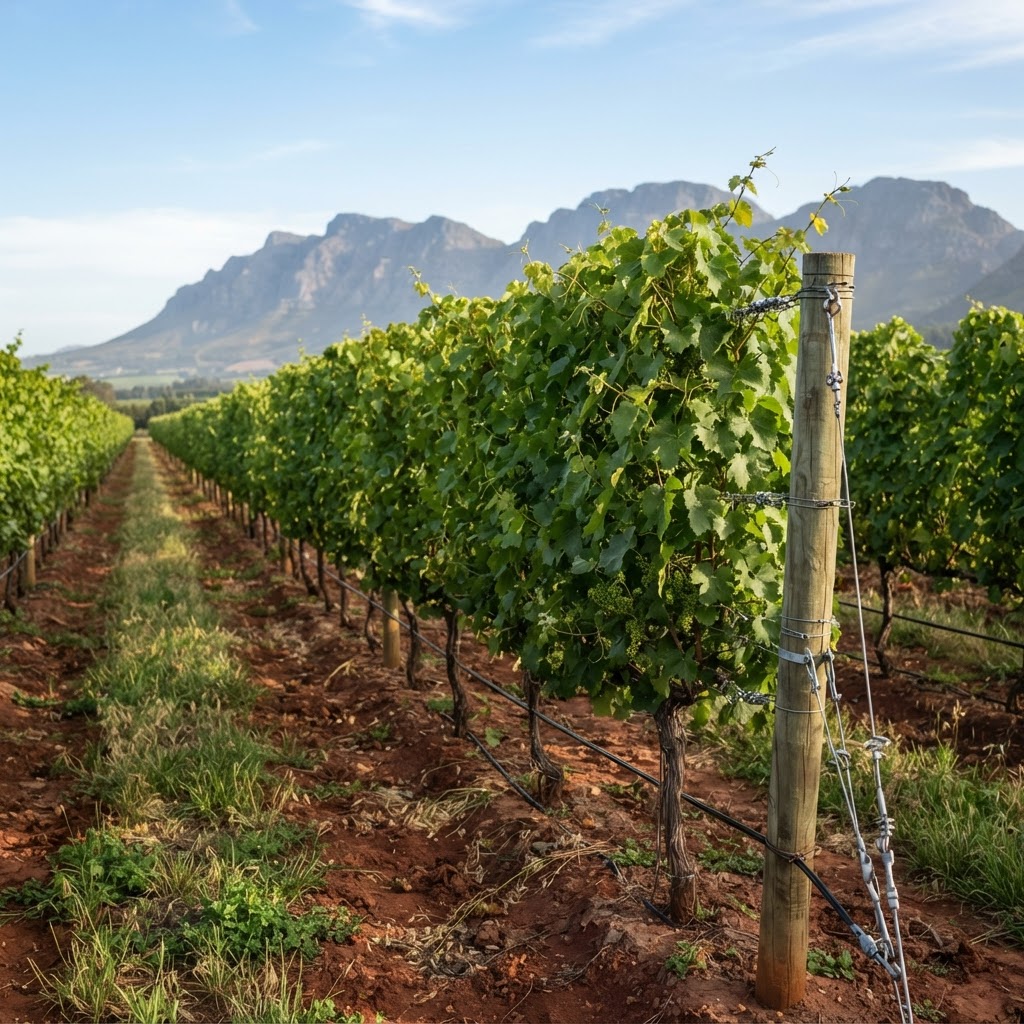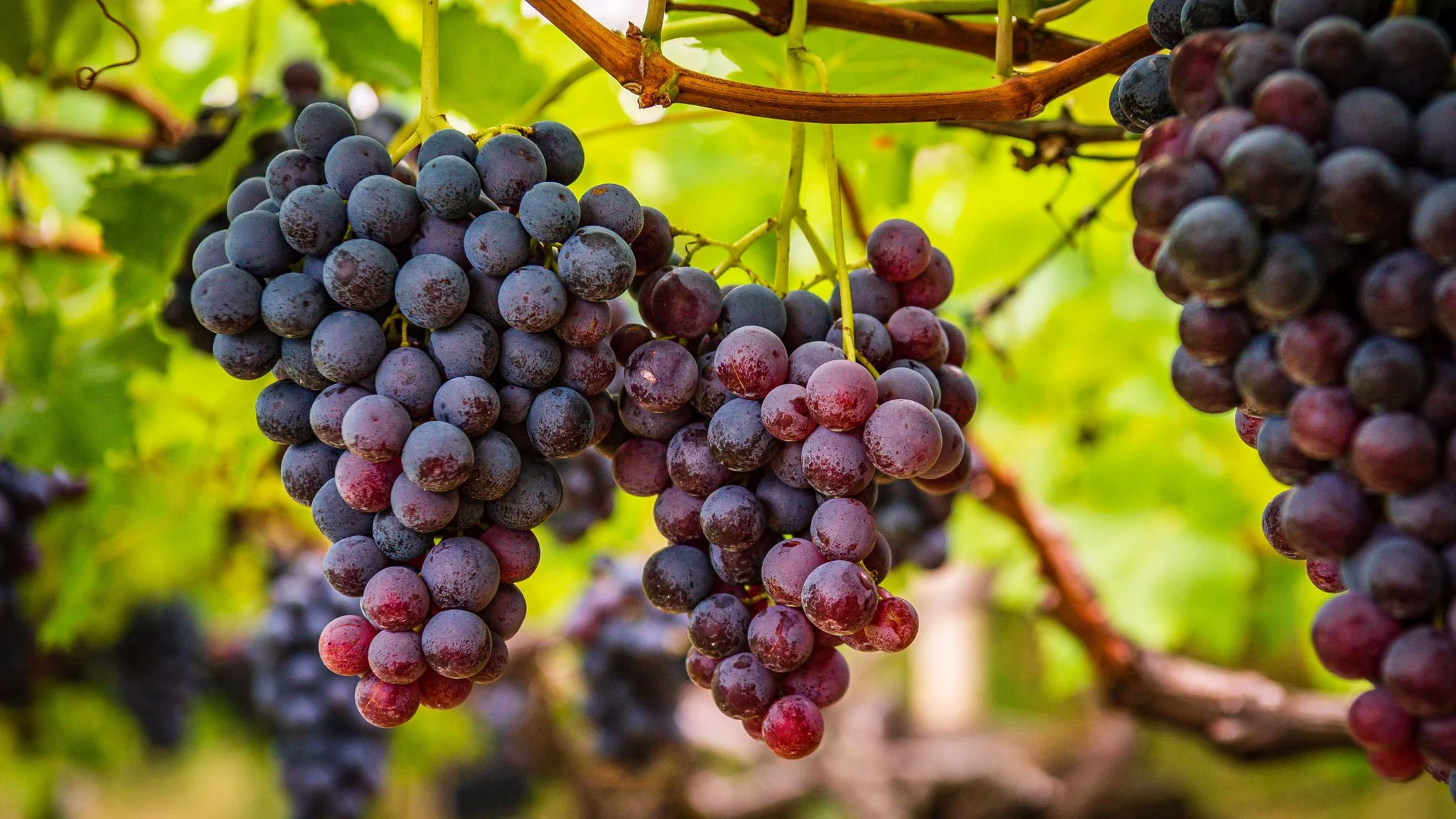
Once considered a blending grape, South African Cinsault is enjoying a renaissance in the country’s modern wine scene. Known for its light body, bright fruit, and exceptional drinkability, Cinsault has emerged from the shadows to take its place as a serious varietal in its own right. Whether you’re a seasoned wine lover or simply curious about South Africa’s lesser-known gems, this guide explores everything you need to know about Cinsault — from its history and characteristics to the estates producing some of the country’s finest examples.
What is Cinsault?
Cinsault (pronounced San-so) is a red grape variety originally from southern France. It is drought-resistant, thrives in warm climates, and is known for producing wines with:
- Soft tannins
- Aromas of red berries, violets, and spice
- Medium to low alcohol levels
- A fresh, silky palate
Historically, South African Cinsault has been used primarily as a blending partner — particularly with Syrah or Grenache in the Rhône Valley, or with Pinotage. However, winemakers have recently rediscovered its potential as a standalone varietal.
A Brief History of South African Cinsault
Cinsault has been grown in South Africa since the mid-19th century and was once one of the country’s most widely planted red grapes. For decades, it played a vital (though often uncredited) role in blends and in the production of Pinotage, which is a cross between Pinot Noir and Cinsault, developed in South Africa in 1925.
Due to its ability to produce large yields, Cinsault was heavily planted during the co-operative era, but many of those old vineyards were overlooked — until recently. Today, a new generation of winemakers is reviving old vine Cinsault, producing elegant, low-intervention wines that reflect both terroir and tradition.
Tasting Notes: What to Expect from South African Cinsault
South African Cinsault typically offers:
- Colour: Pale to medium ruby
- Aromas: Raspberries, strawberries, rose petals, and subtle spice
- Palate: Light to medium body, with juicy acidity and soft tannins
- Finish: Fresh and vibrant, often with a slight earthy note
It’s often compared to Pinot Noir for its lightness and aromatic profile, making it a great red for warmer weather or pairing with lighter dishes.
Food Pairing Suggestions
Cinsault’s versatility makes it an easy companion at the table. Consider pairing it with:
- Roast chicken or duck
- Grilled vegetables
- Tuna or salmon
- Charcuterie and soft cheeses
- Spiced dishes like Moroccan tagine or Cape Malay curry
Its low tannins and fresh acidity also make it a great choice for summer picnics and alfresco dining.
Where to Taste Cinsault in the Cape Winelands
Several forward-thinking South African producers are leading the Cinsault revival. If you’re visiting the Cape Winelands, consider tasting at:
1. Sadie Family Wines – Swartland
One of the pioneers of the new wave, Eben Sadie’s Pofadder is a benchmark single-varietal Cinsault made from old vines.
2. AA Badenhorst Family Wines – Swartland
Famous for natural winemaking, Badenhorst’s Cinsault is expressive, textured, and reflective of the rugged Swartland terroir.
3. Bosman Family Vineyards – Wellington
Their Twins Cinsault is a refreshing and bright red wine, often made with minimal intervention.
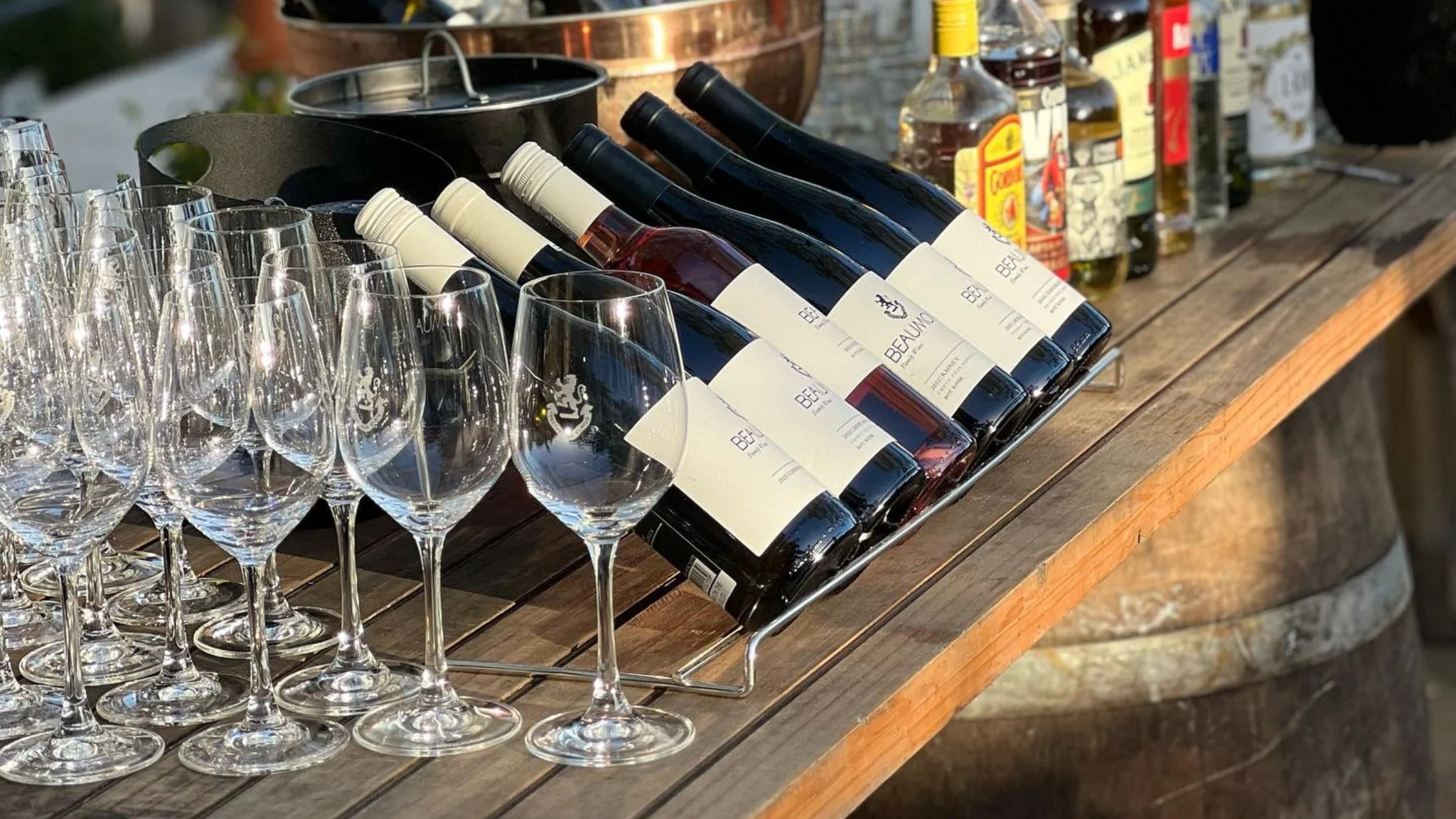
4. Beaumont Wines – Bot River
Beaumont’s Cinsault is a lighter, elegant expression with a focus on purity and finesse.
5. Rustenberg Wines – Stellenbosch
A more classic style that blends modern elegance with Stellenbosch structure.
Many boutique producers in Stellenbosch, Paarl, and the Swartland now feature Cinsault either on its own or in Rhône-style blends. Ask for it by name — it’s often the surprise star of the tasting.
Final Thoughts
Cinsault is proof that great wine doesn’t have to be bold, heavy, or expensive. It’s approachable, expressive, and deeply rooted in South Africa’s winemaking heritage. As the demand for fresher, lighter reds grows, Cinsault is poised to continue its rise. Next time you’re exploring the Cape Winelands or browsing the wine list at a restaurant, don’t overlook this understated grape. South African Cinsault may just become your new favourite red.
Want to discover South Africa’s top Cinsault producers firsthand? Let Wine in the Cape curate a private tour to the estates making waves with this elegant varietal.
Contact us at hello@wineinthecape.com or visit www.wineinthecape.com to plan your custom wine experience