If you’ve been planning a trip to Cape Town and weighing up whether to book a wine tour, you’ve probably already noticed: nobody who runs wine tours seems willing to give you a straight answer.
Of course, they think it’s worth it. They sell wine tours.
This post is the honest version — written by people who actually run them. Some Cape Town wine tours are genuinely unforgettable. Some are forgettable at best and a frustration at worst. The difference between the two has very little to do with the wines and almost everything to do with how the tour itself is run. Here’s how to tell the difference, who wine tours are absolutely worth it for, and who should consider doing something else with their day.
The short answer
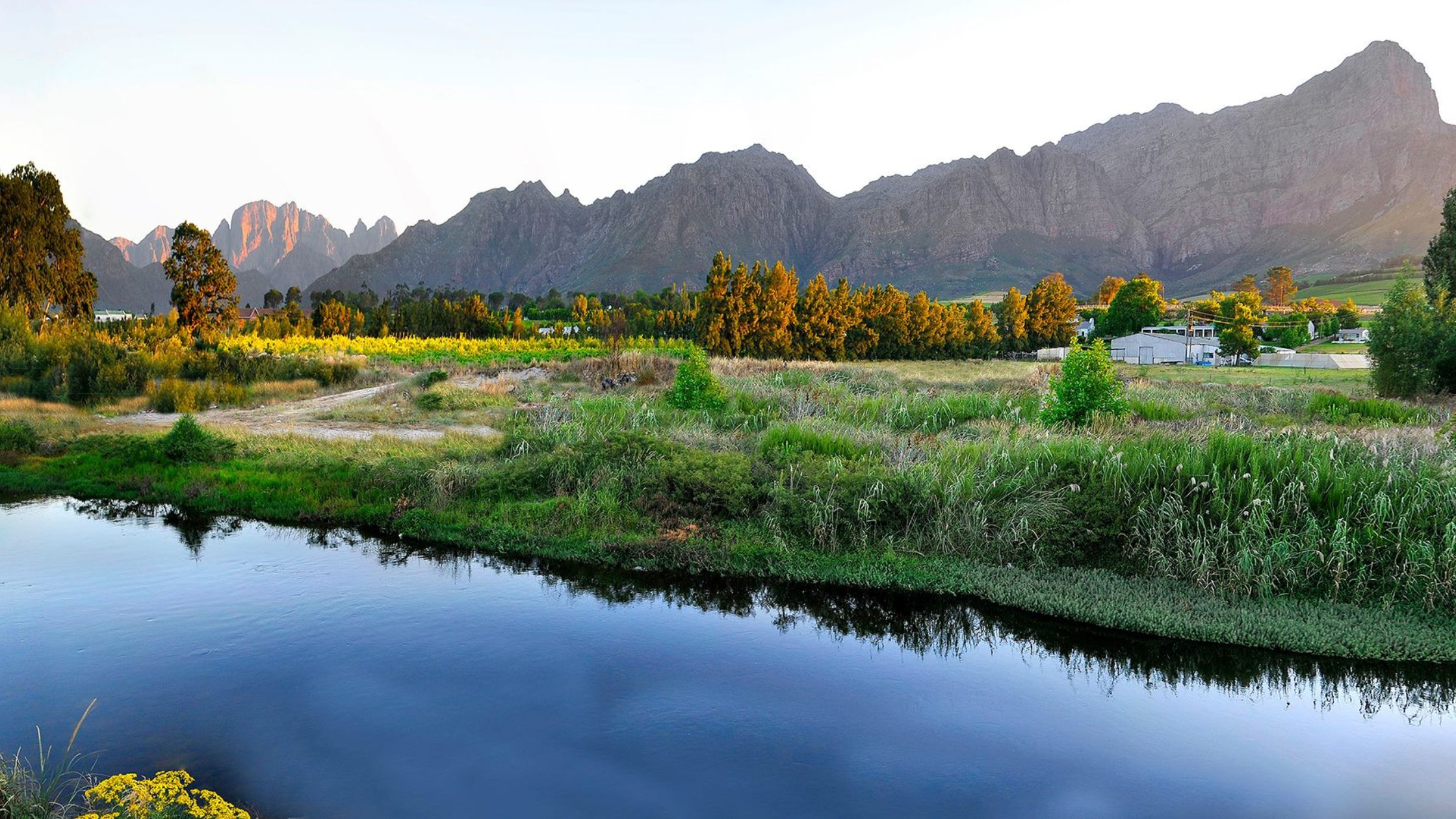
For most travellers visiting Cape Town for the first time, a wine tour is worth it — provided you choose carefully. The Cape Winelands are extraordinary: cooler-climate vineyards beneath dramatic mountains, four-century-old winemaking heritage, and three of South Africa’s most distinctive wine regions all within an hour’s drive of central Cape Town. Skipping the Winelands during a Cape Town visit is missing something genuinely memorable.
But whether a tour is the right way to experience the Winelands depends on you. Some travellers are better off self-driving with a designated driver. Some are better off skipping the wine and going to Cape Point instead. The post below will help you work out which camp you’re in.
“The Cape Winelands rarely disappoint. The wine tour you book to experience them — that’s where it can go right or wrong.” — Wine in the CapeWhen a Cape Town wine tour is absolutely worth it
If you’re visiting Cape Town for the first time
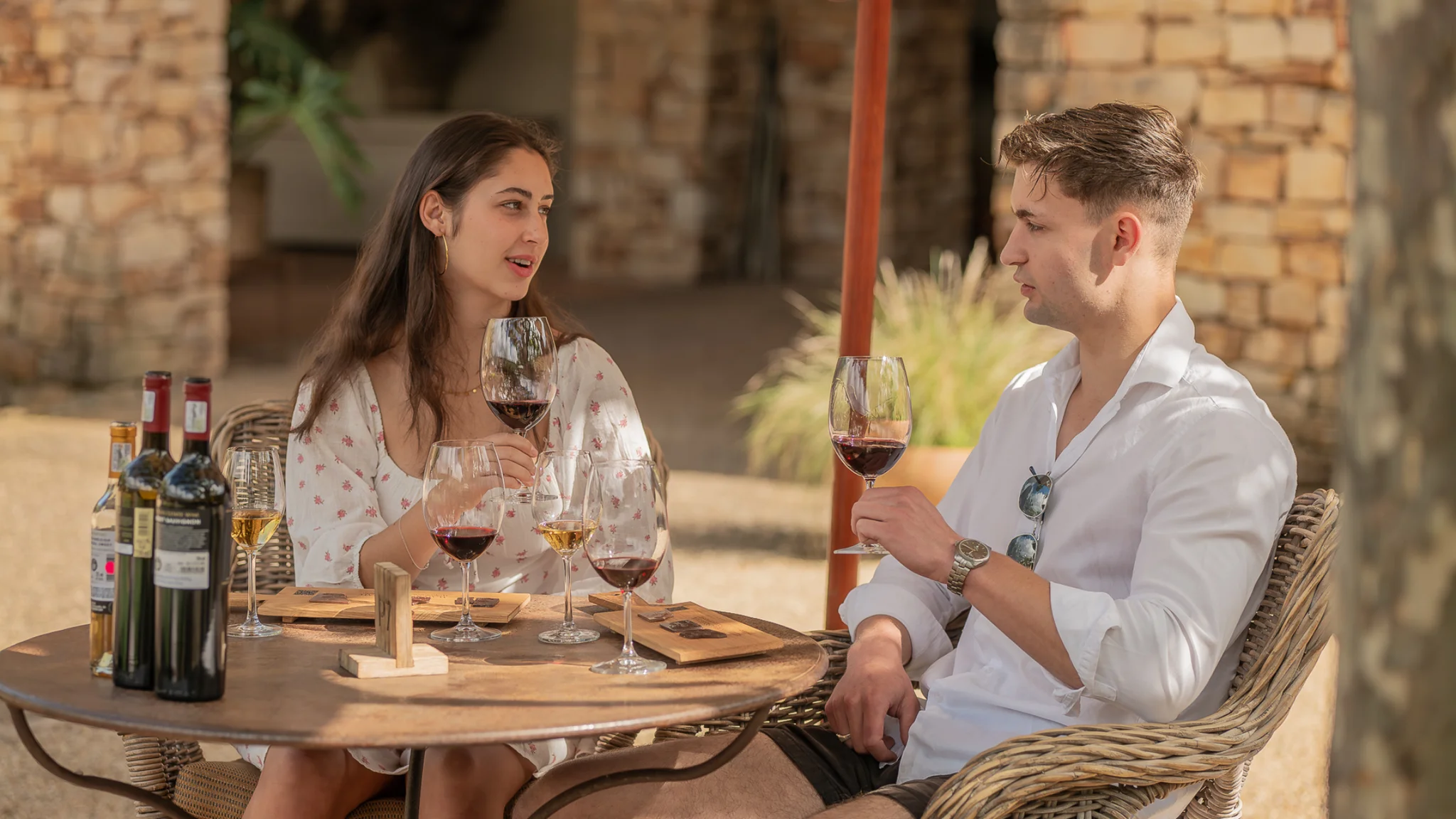
If this is your first trip to South Africa or Cape Town, the Cape Winelands are essentially non-negotiable as part of any well-rounded itinerary. A guided tour solves five problems at once: you don’t have to drive on the left, you don’t have to navigate, you don’t have to decide which estates to visit, you can taste every wine without worrying about who’s behind the wheel, and you arrive at each estate with someone who already knows the owners.
The Stellenbosch Wine Tour at R2,280 per person remains the most popular first-Winelands experience — three to four estates, lunch included, a small group, and a single morning’s commitment that gets you back to Cape Town in time for dinner.
For first-time visitors, we’d suggest the Stellenbosch Wine Tour →
If you’re celebrating something — honeymoon, anniversary, milestone birthday
This is where private tours stop being an indulgence and start being the obvious choice. A private wine tour means the vehicle, guide, itinerary, and lunch venue are yours alone — and the entire day flexes around what you actually feel like doing rather than a fixed schedule. We’ve taken couples to estates that aren’t open to the public, arranged private tastings with winemakers, and built lunch around proposals more times than we can count. The flexibility is what makes the day memorable, not the price tag.
For milestone trips, the Full-Day Private Wine Tour → is what you want
If you only have two or three days in Cape Town
When time is short, the right wine tour can do double duty. A combined scenic-and-wine day takes you down Chapman’s Peak Drive, past Cape Point and the Boulders Beach penguins, and through Constantia for tastings — covering both the city’s bucket-list sights and the country’s oldest wine valley in one well-paced day. This is the tour we most often recommend to first-time visitors with packed itineraries.
If you’re time-poor, the Cape Peninsula Private Wine Tour → is the most efficient day in the Cape
If you’re an active traveller who’d rather not sit in a vehicle all day
Most wine tours move you between estates by van. A wine walk moves you between them on foot, along private vineyard trails, with the views and the pace doing as much work as the wines. Constantia and Franschhoek both have walking tour formats that are genuinely distinctive — not just a wine tour with extra steps, but a fundamentally different way to experience a wine valley.
For walkers, take a look at the Constantia Wine Walk → or the Franschhoek Wine Walk →
If you’re travelling with children
The most common assumption about wine tours is that they don’t work with kids. They can — if the operator actually plans for it. Family-friendly wine tours visit estates with space for children to play, lunch options that work for all ages, and a pace that accommodates younger guests rather than racing against them. The wine isn’t watered down; the day is just structured to work for everyone.
For families, we run a dedicated Child-Friendly Wine Tour →
If you’re a cruise passenger with one day in port
Single-day cruise visitors have the hardest scheduling problem in Cape Town tourism — you arrive at the V&A Waterfront in the morning and need to be back on board by late afternoon. A well-run wine tour with early pickup, tight scheduling, and reliable return timing is worth far more than wandering the Waterfront for the day.
For cruise itineraries, the Cape Peninsula Private Wine Tour → is built to work within port times
When a Cape Town wine tour is not worth it
There are a few situations where we’d genuinely recommend doing something else.
If you’re a serious wine expert visiting specific estates you’ve already chosen. If you know exactly which winemakers you want to meet and have direct contacts at the estates, you’ll get more out of a self-driven day with private tasting appointments than a small-group tour designed for a broader audience. We’re happy to act as drivers and logistics for these days — but a standard tour isn’t built for that depth.
If you’re already a confident driver on the left, comfortable with South African roads, and travelling with someone who’ll abstain. Self-driving the Winelands is genuinely doable for prepared visitors. Stellenbosch is signposted, the estates are open to walk-in tastings, and a half-day of two or three carefully chosen visits can be excellent. The trade-off is that you’ll spend more time navigating and less time tasting, and one of you isn’t drinking.
If you’re on a very tight budget and willing to do the planning work. A self-driven half-day with two estates and a packed lunch is the cheapest way to experience the Winelands — perhaps R600 to R1,000 per person all-in, depending on tasting choices. It won’t be as rich an experience as a guided tour, but it’s a legitimate option.
If you don’t actually like wine. This sounds obvious but worth saying — a wine tour is a wine tour. If you’re not particularly interested in tasting wine, the Cape Winelands are still beautiful (and worth driving through), but a six-hour tour built around tastings is probably the wrong format for you. Consider a Cape Peninsula scenic tour, a foodie tour through Bo-Kaap, or a Table Mountain day instead.
What separates a great Cape Town wine tour from a disappointing one
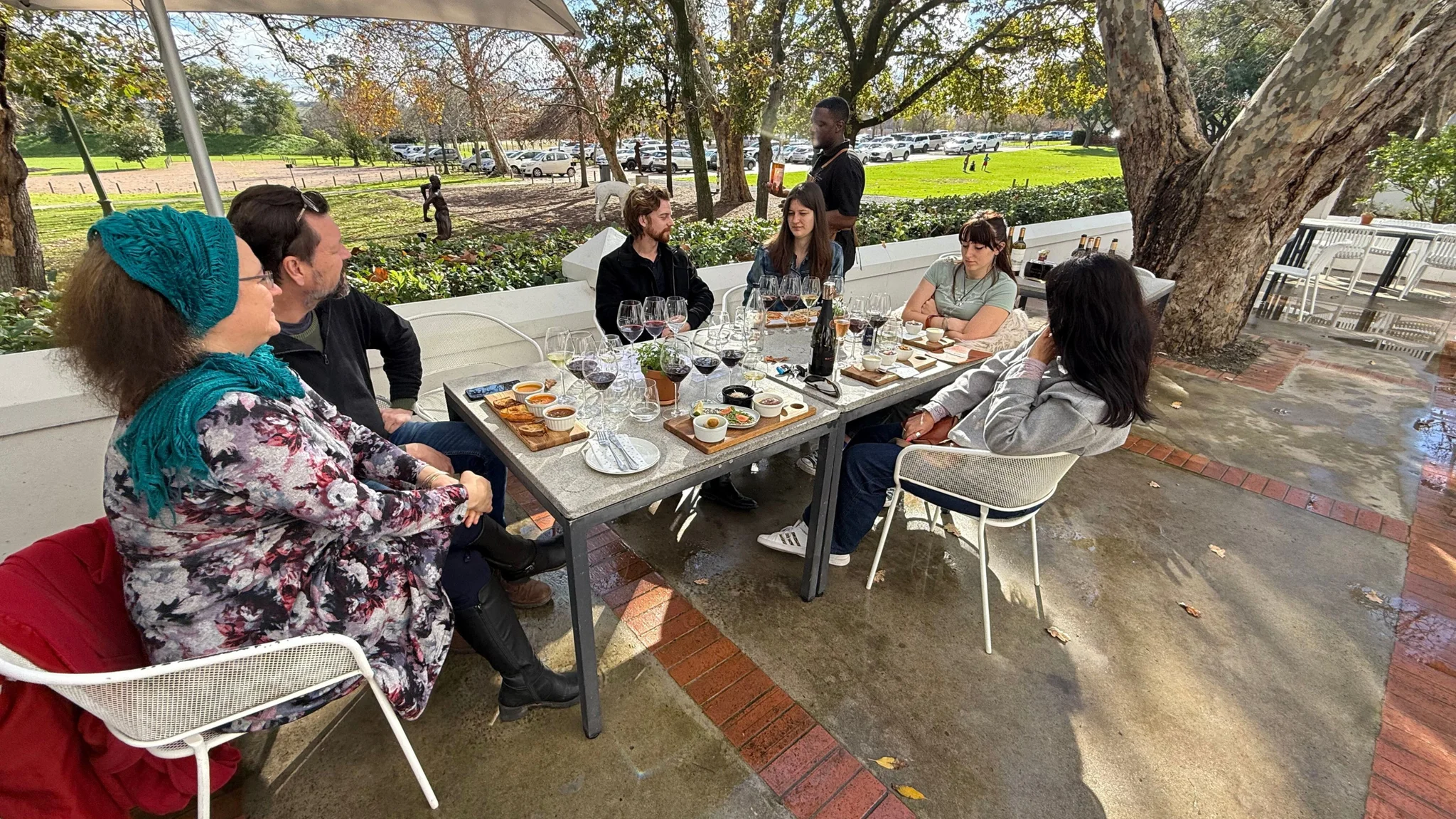
This is the part most operators won’t write, because it cuts both ways. The factors that make a tour worth it have almost nothing to do with the wines themselves — South African wines at this price point are reliably good across the board. What separates a memorable day from a forgettable one is how the day is run.
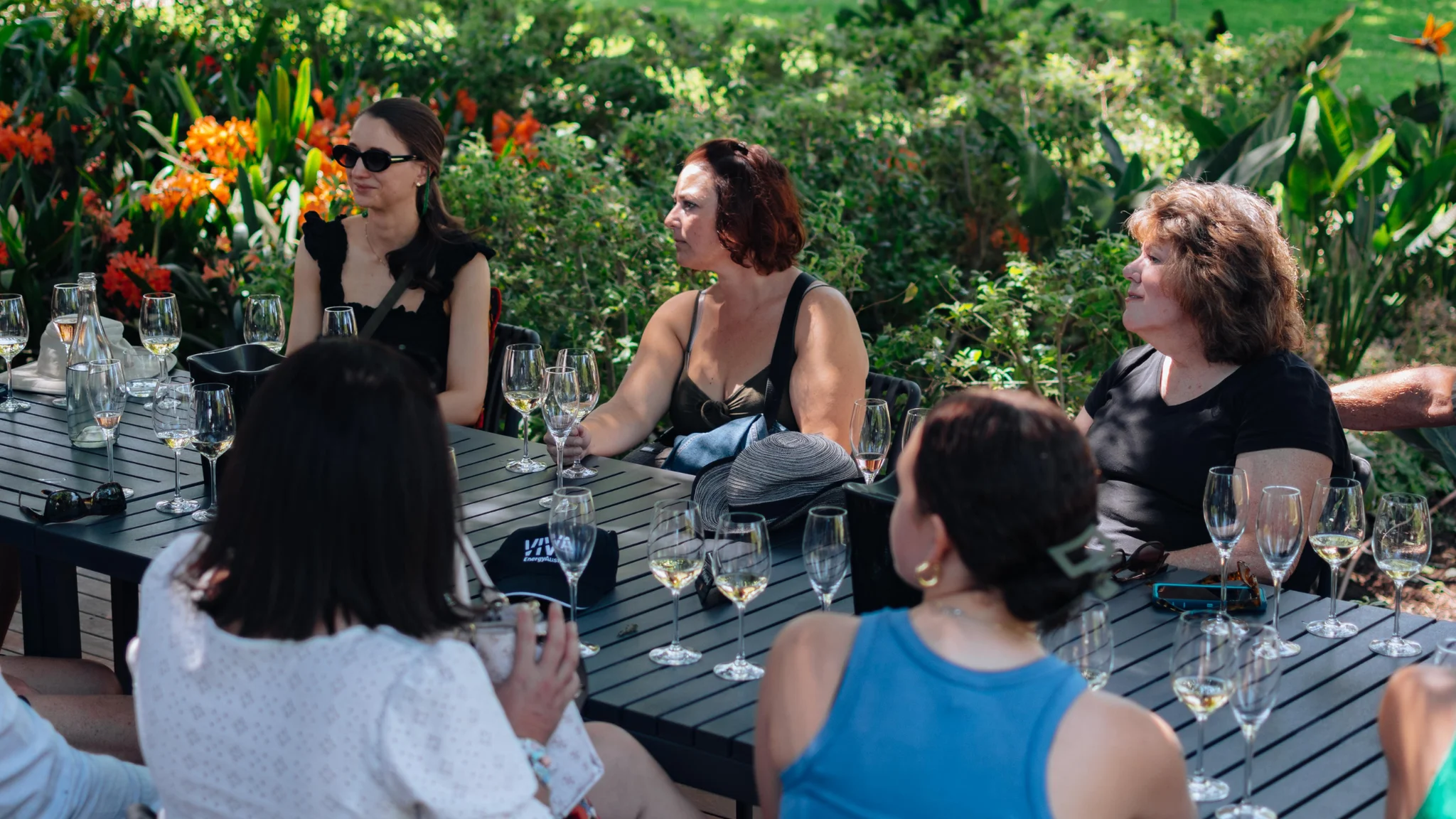
Group size. A wine tour with twenty-plus guests on a single vehicle is fundamentally a different product from a wine tour with six to eight guests in a smaller vehicle. Larger groups mean rushed tastings, less guide attention, longer queues at each estate, and longer turnaround times getting back on the road. The headline price might be lower; the actual experience is significantly worse.
Local guides versus scripted commentary. A guide who knows the estates personally, has met the winemakers, and can adjust the day based on what the group is enjoying is worth several hundred rand on the day. Scripted commentary delivered by a driver who doesn’t really know the wines is the surest sign you’ve booked the wrong tour.
Estate selection. A tour that visits only the four biggest, most famous Stellenbosch names will give you a textbook day but rarely a memorable one. The best tours mix one or two well-known estates with two or three lesser-known boutique producers — places you’d never find on your own. That contrast is what makes the day stick in your memory.
Pace. Six hours of wine tasting compressed into four hours of driving and queuing is a tour designed for the operator, not the guest. Properly paced wine tours leave time at each estate to actually taste, to walk through the cellar, and to enjoy lunch without watching the clock.
Honest communication about what’s included. If a tour advertises a price that seems too good to be true, it usually is. Tasting fees, lunch costs, fuel surcharges and gratuities have a way of appearing on the day. The all-in price matters far more than the headline number.
Common reasons people are disappointed by Cape Town wine tours
Years of feedback (some of it lovely, some less so) have surfaced the same handful of complaints over and over — almost always pointing back to the operator-level factors above. The most consistent ones:
- “The group was too big, and we felt rushed.” Almost always from some larger operators’ coach-style tours or budget group experiences.
- “The guide didn’t really know much about the wines.” A driver-only operation rather than a properly trained local guide.
- “They tried to take us shopping at every estate.” A quiet red flag — quality tours don’t push purchases.
- “We only visited the same big-name estates everyone goes to.” No genuine curation behind the itinerary.
- “The day felt like it was about logistics rather than the wine.” Too many guests, too tight a schedule, not enough time at each estate.
The good news: every one of these is avoidable with a few minutes of research before booking. Read recent reviews, check group sizes, look at whether the listed estates include at least one or two you haven’t heard of, and confirm what the all-in price actually includes.
How much should you expect to spend?
A properly inclusive small-group wine tour in 2026 starts at around R2,250 per person and goes up to R5,500 or more for a fully private experience. For a detailed breakdown of pricing, what’s included at each level, and where the hidden costs of cheaper tours tend to be hiding, our How Much Does a Stellenbosch Wine Tour Cost? guide covers it in full.
How to choose the right tour for you
If you’ve made it this far and the answer is leaning towards “yes, it’s worth it” — here’s a quick decision framework:
| Your Situation | Best Tour For You | Why It Works |
|---|---|---|
| First time in Cape Town, solo or couple | Stellenbosch Wine Tour | Most popular introduction, small group, all-inclusive at R2,280pp |
| Honeymoon, anniversary, or milestone trip | Full-Day Private Wine Tour | Fully bespoke, flexible itinerary, private vehicle and guide |
| Only two or three days in Cape Town | Cape Peninsula Private Scenic & Wine | Two bucket-list days in one — scenic + Winelands |
| Cruise passenger, single day in port | Cape Peninsula Private Scenic & Wine | Built around port schedules, reliable return timing |
| Active travellers who prefer being on foot | Constantia Wine Walk or Franschhoek Wine Walk | Private vineyard trails, walking pace, immersive valley experience |
| Family travelling with children | Family-Friendly Wine Tour | Kid-friendly estates, all-ages lunch options, flexible pace |
| Wine expert with specific estates in mind | Custom day or self-drive with designated driver | Standard tours aren’t built for that level of depth — message us for a tailored day |
There’s no single “best” wine tour in Cape Town — there’s the best one for your travel style, your group, and your specific day. Get the match right and the day becomes one of the highlights of your trip.
Frequently asked questions
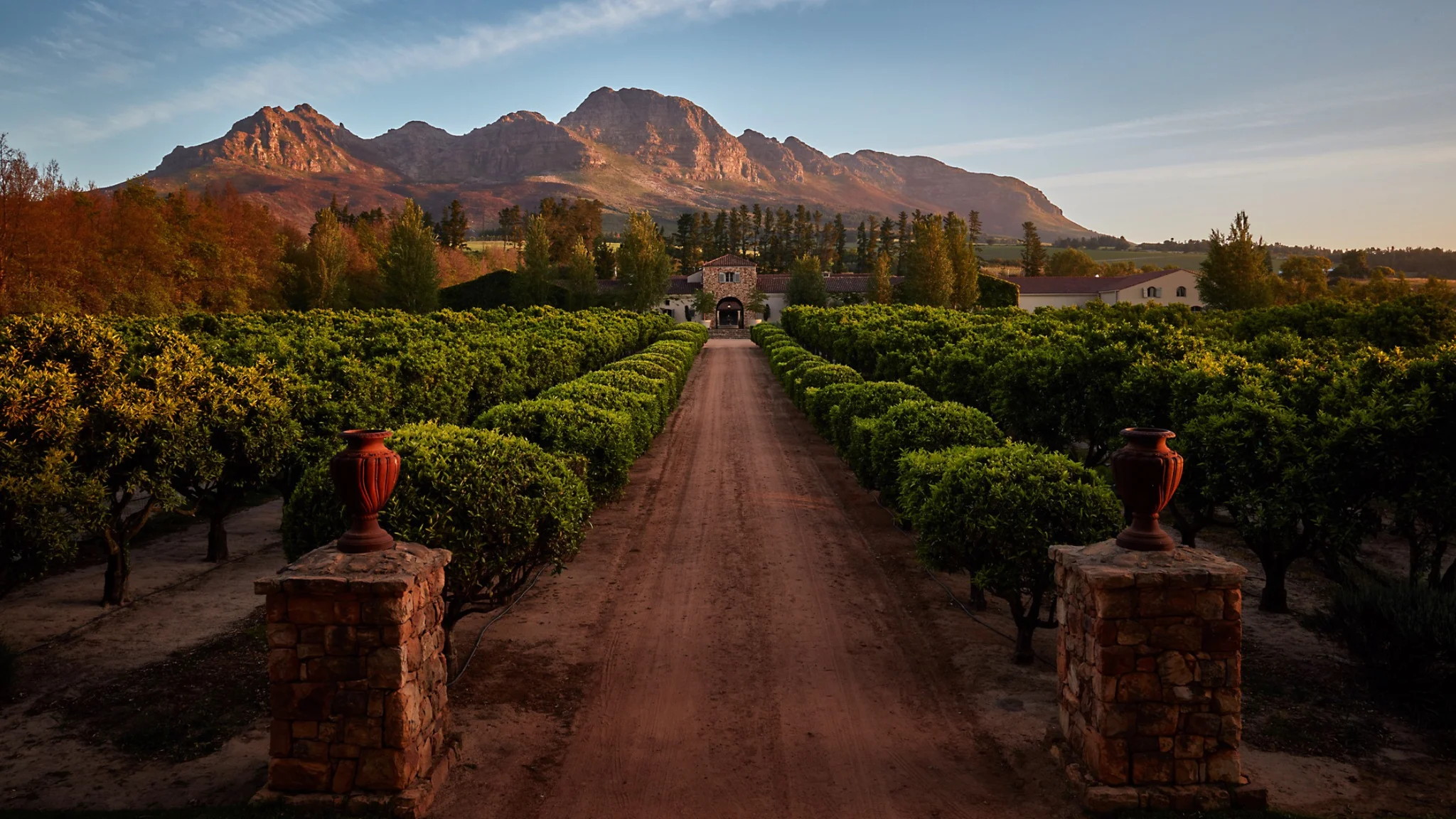
It depends. If you enjoy good food, beautiful scenery, and an interesting day out, even non-wine-drinkers tend to enjoy Cape Town wine tours — the valleys are stunning, the estates are historic, and the lunches are excellent. If you have genuinely no interest in tasting wine, a scenic day or food tour is probably a better fit.
Are wine tours in Cape Town better than self-driving?For most visitors, yes. Self-driving means one person doesn’t drink, you spend more time navigating than tasting, and you miss the local context a good guide provides. For confident drivers with specific plans and a designated driver, self-driving works.
Is one wine region better than another for a first tour?Stellenbosch is the most popular first tour because it’s the oldest, largest, and most varied wine region, with strong infrastructure for visitors. Franschhoek is closer in feel to a European wine village and excellent for food-focused travellers. Constantia is the most convenient (20 minutes from central Cape Town) and the most historic.
How long should a wine tour take?A proper full-day tour runs around 8–9 hours including pickup and drop-off, with three to four estates and a sit-down lunch. Half-day tours exist but tend to feel rushed — the Winelands genuinely reward a slower pace.
Can I do a wine tour and still see the rest of Cape Town?Yes — most visitors do exactly that. The Winelands take one well-spent day; Cape Town has plenty of others for Table Mountain, Cape Point, the V&A Waterfront, Robben Island, and Bo-Kaap. The combined scenic + wine tour is the one exception that handles two bucket-list days in one.
What’s the worst time of year to do a Cape Town wine tour?Mid-winter (June to August) has the most unpredictable weather and the shortest tasting hours, though many guests love the moody atmosphere and quieter estates. The best months are October through April.
A final word
If you take only one thing from this post, the wine tour you book matters far more than whether to book one at all. The Cape Winelands are extraordinary. A well-run tour brings them alive. A poorly run tour can make them feel like a busy waiting room with overpriced wine.
We’ve spent years building Wine in the Cape around exactly the operator-level things this post argues matter — small groups, local guides, estate relationships, honest pricing, and a properly paced day. If you’d like to talk through which tour suits your trip, message us directly — we’d rather help you find the right day than sell you the wrong one.