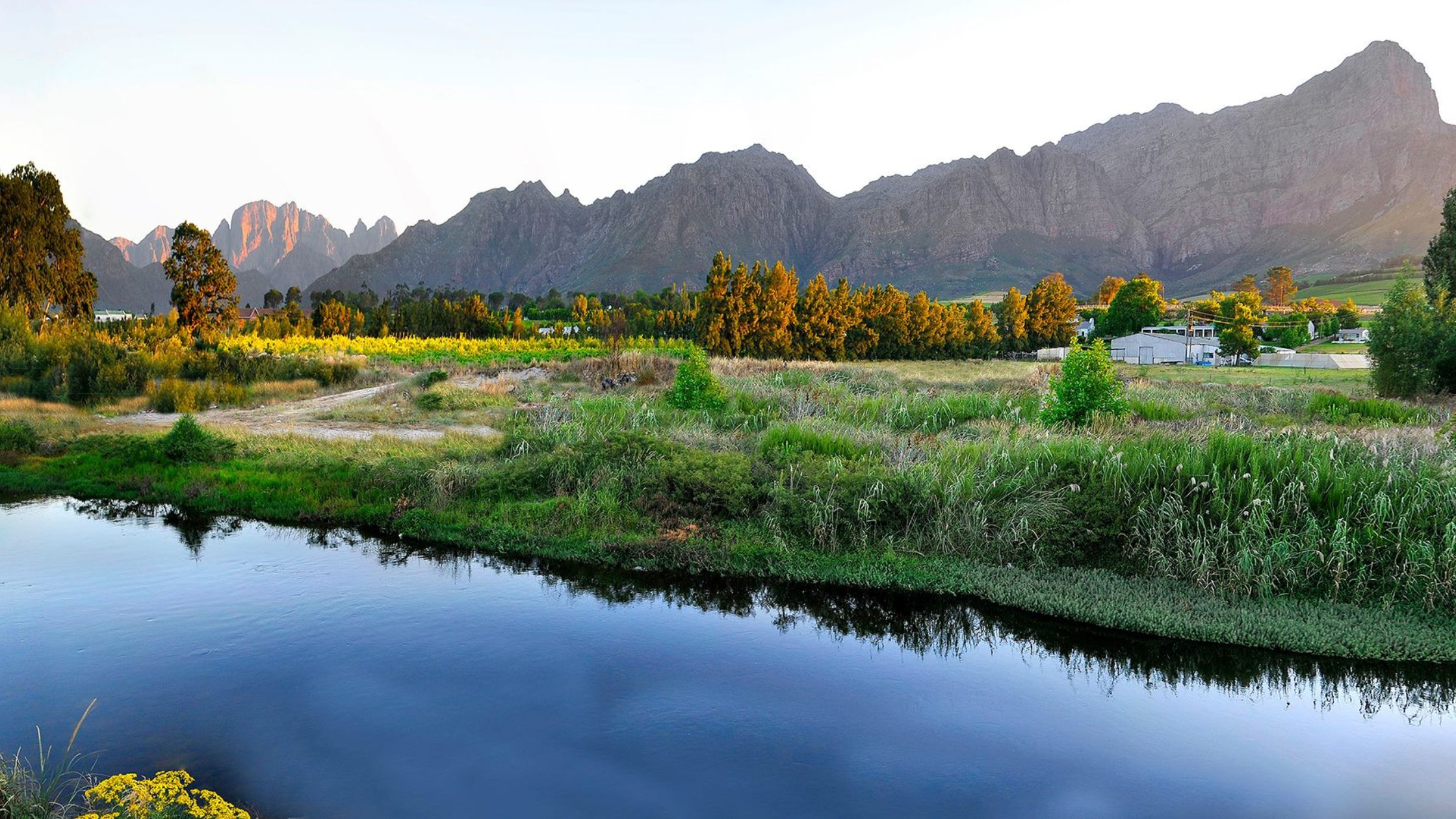
While the large-scale commercial estates of Stellenbosch draw tourist buses daily, the true heartbeat of the Cape Winelands lives down quieter, oak-lined gravel roads. For travellers seeking authentic connections, intimate tasting rooms, and small-batch vintages you won’t find on supermarket shelves, the region’s family-run boutique wineries offer an unparalleled experience.
Visiting a boutique estate means tasting wine often poured by the winemakers themselves, discovering multigenerational heritage, and learning how local families translate the distinct terroir of Stellenbosch into world-class bottles.
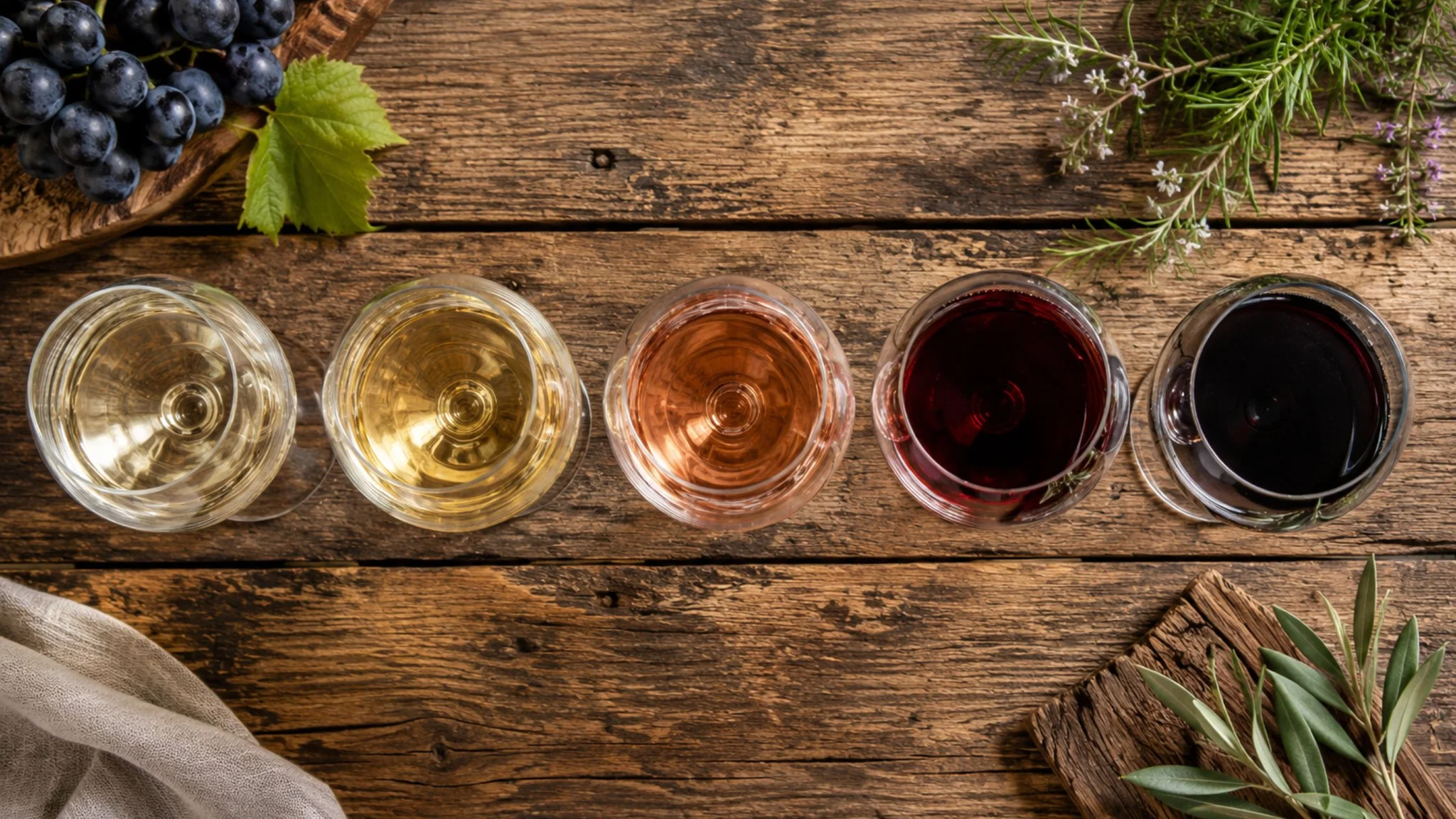
At a Glance: 5 Stellenbosch Boutique Wine Estates
| Wine Estate | Sub-Region | Signature Varietal | Standout Experience |
| Middelvlei Wine Estate | Devon Valley, Stellenbosch | Pinotage & Shiraz | Authentic open-fire Boerebraai lunch and blending experience |
| Jordan Wine Estate | Kloof Road, Stellenbosch | Chardonnay & Cabernet Sauvignon | Safari-style vineyard tours & fine dining with panoramic views |
| Delheim Wine Estate | Simonsberg-Stellenbosch | Pinotage & Edelspatz | Wild mushroom foraging & historic eco-friendly cellars |
| Muratie Wine Estate | Knorhoek Valley, Stellenbosch | Ansela Blend & Pinot Noir | Historic cobwebbed tasting room unchanged for decades |
| Brenaissance Wine Estate | Devon Valley, Stellenbosch | Syrah & Cabernet Sauvignon | Modern tasting deck, pizza pairings, and luxury chalet stays |
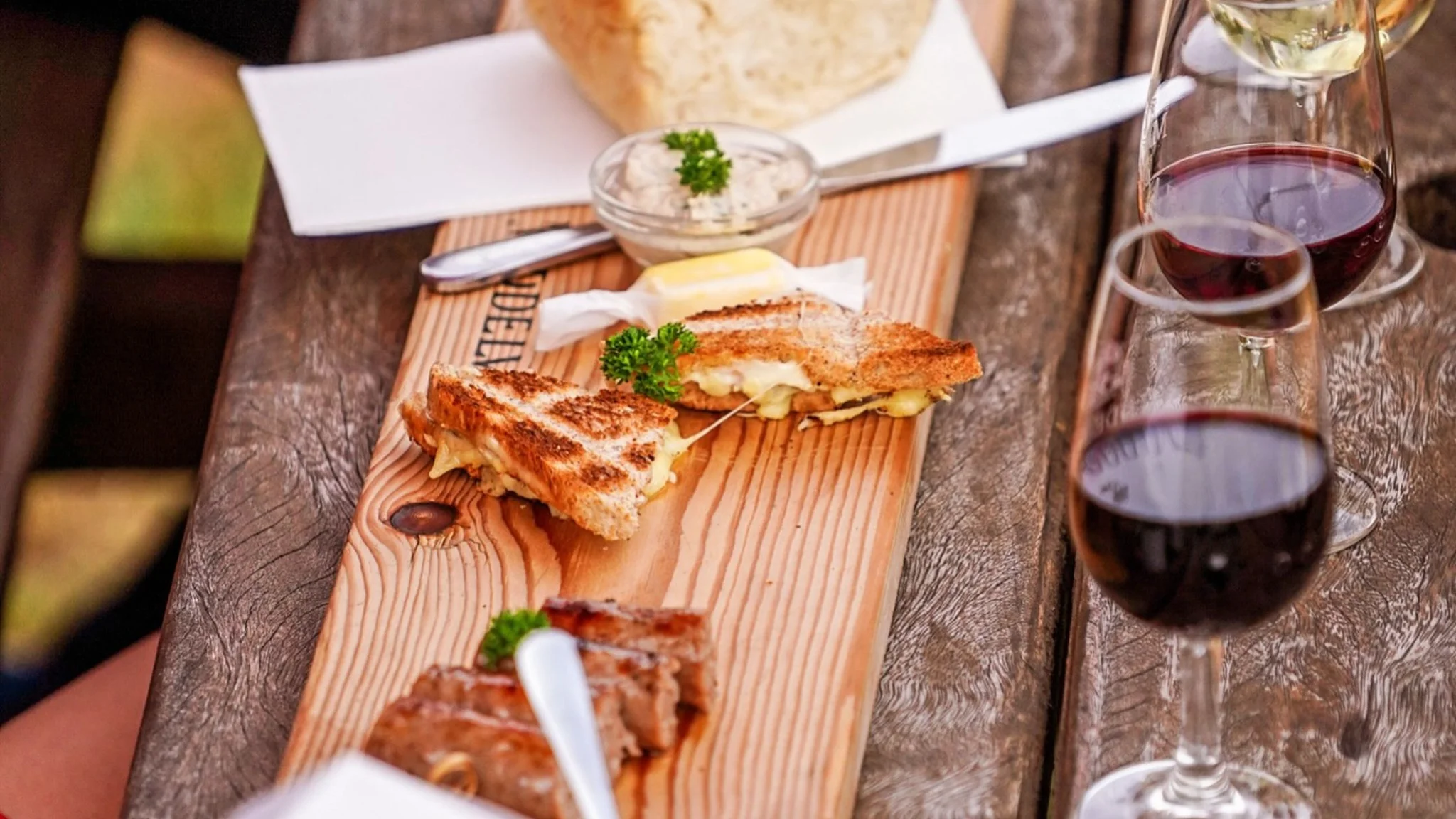
1. Middelvlei Wine Estate — Devon Valley
Nestled on the lower slopes of the rolling Devon Valley hills, Middelvlei Wine Estate is the quintessential definition of family-run South African hospitality. Managed by brothers Tinnie and Ben Momberg — the third generation of Mombergs to farm these soils since 1919 — Middelvlei strips away the pretence often associated with wine tasting and replaces it with pure, unadulterated warmth.
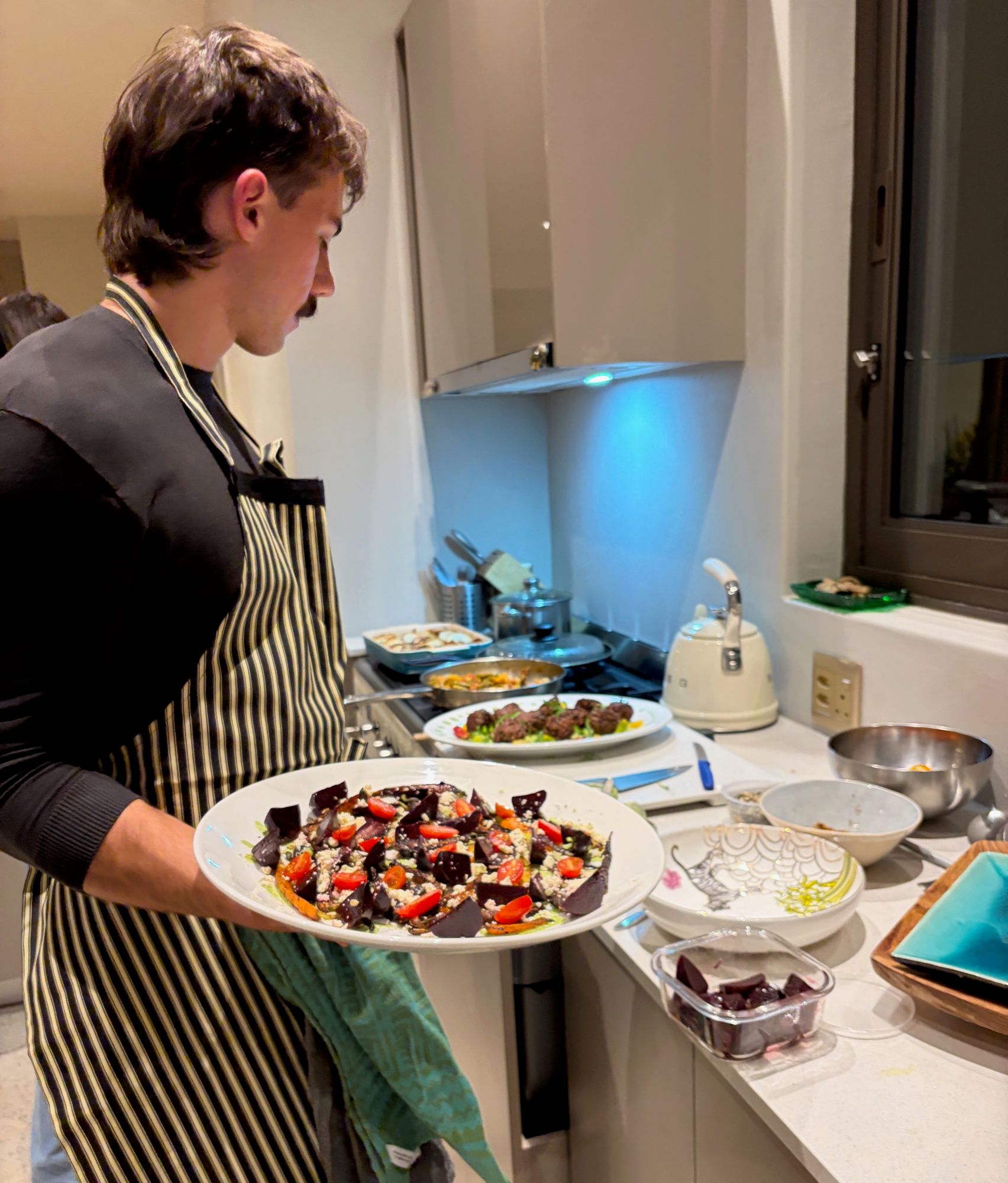
The estate is celebrated for its interactive wine tourism. Rather than simply sipping in a sterile tasting room, guests can participate in a hands-on wine blending experience, measuring and corking their own custom red blend to take home.
The Food Connection: You cannot visit Middelvlei without staying for lunch. The estate hosts a traditional open-fire Boerebraai every Wednesday to Sunday from 12:00 to 15:00, where boerewors, lamb chops, potbrood, and braaibroodjies are prepared by a resident braai master. The Traditional Boerebraai Experience costs R320 per person. Bookings are essential.
Insider tip: For a full breakdown of the menu, dietary options, and wine pairings, read our complete Middelvlei Boerebraai experience guide.
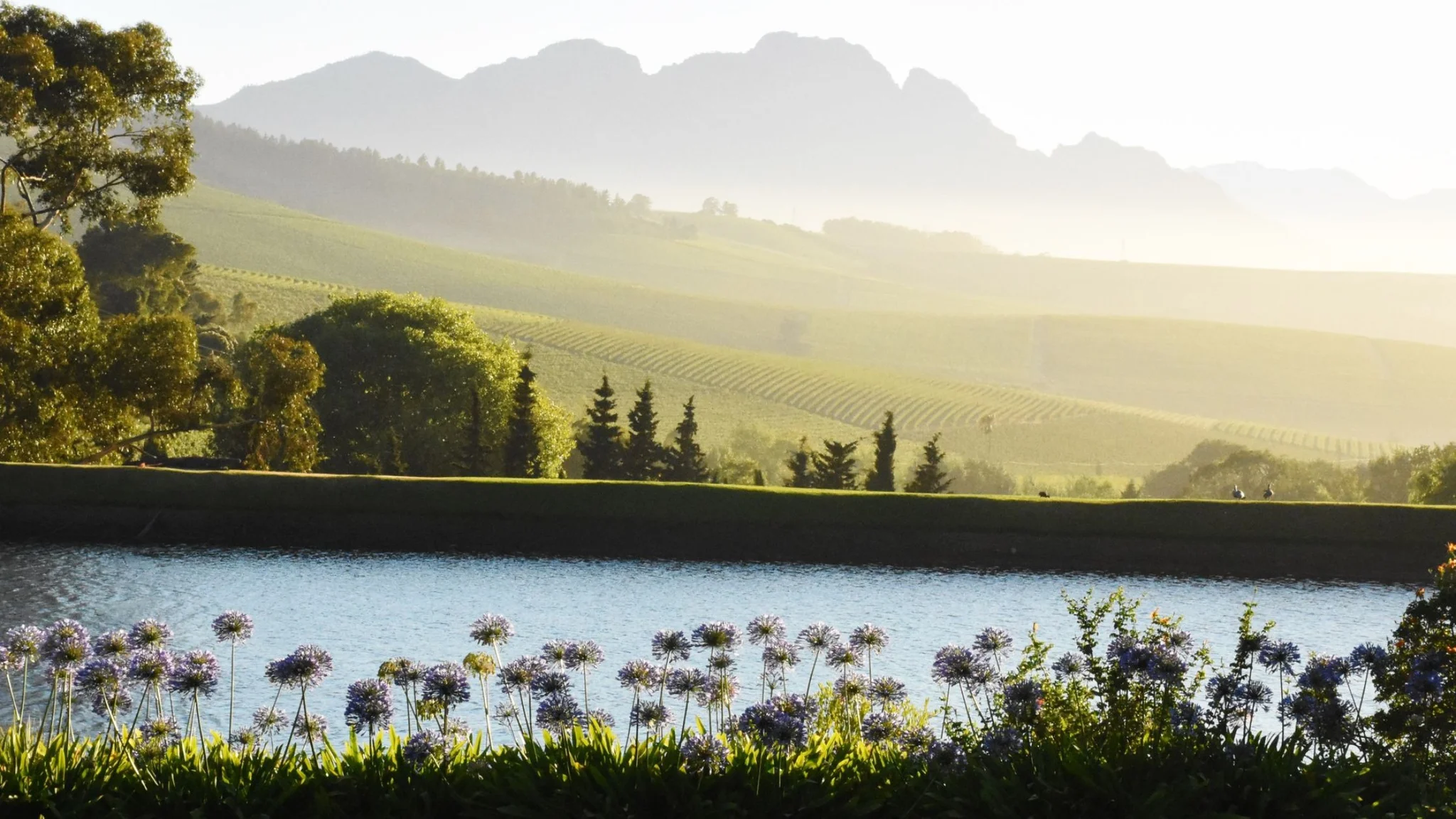
2. Jordan Wine Estate — Kloof Road
Run by husband-and-wife team Gary and Kathy Jordan, Jordan Wine Estate combines boutique precision winemaking with some of the most dramatic panoramic views in the Cape Winelands. Gary’s parents, Ted and Sheelagh, purchased the 146-hectare Stellenbosch property in 1982 and embarked on an extensive replanting programme. Gary and Kathy took over and built the cellar in 1992, producing their first vintage in 1993.
The Wine: Jordan is a powerhouse for premium whites. The Nine Yards Chardonnay consistently ranks among the finest expressions in South Africa, driven by mineral complexity from 600-million-year-old Cape granite soils. The estate also produces exceptional Cabernet Sauvignon and Merlot.
The Experience: For those wanting to immerse themselves in the micro-geography of the farm, Jordan offers a safari-style vineyard tour in an open 4×4 vehicle, stopping at the estate’s highest points to taste wines among the vines from which they were harvested. The Jordan Restaurant offers fine dining with panoramic views of Table Mountain and False Bay.
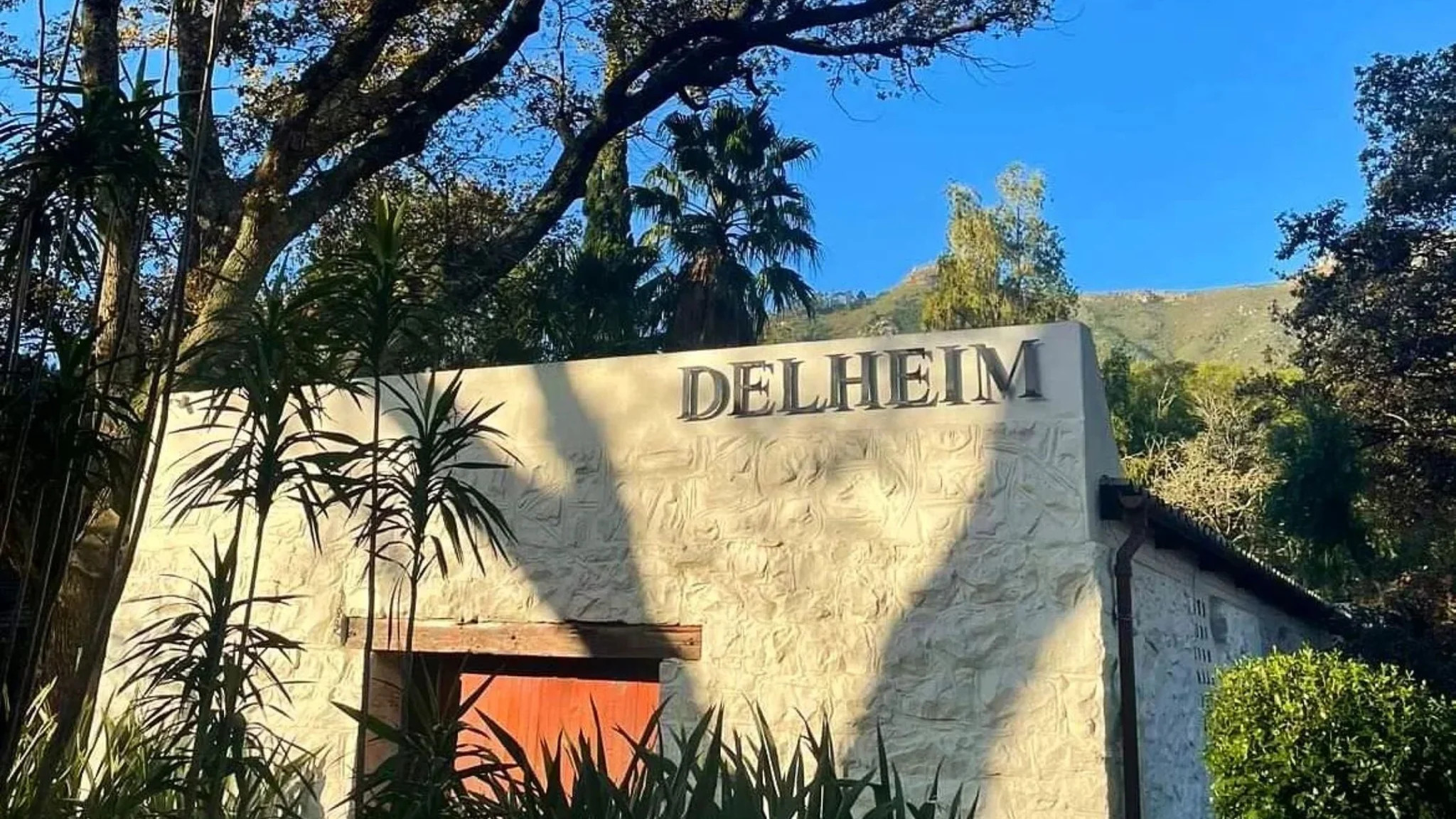
3. Delheim Wine Estate — Simonsberg
High on the slopes of the Simonsberg mountain sits Delheim, an estate wrapped in rich family history and deep commitment to environmental conservation. The farm dates to 1938 when German émigré Hans Otto Hoheisen purchased the land and named it Delheim — meaning “Deli’s home” — after his wife. The legendary Spatz Sperling arrived in 1951 and transformed Delheim into one of the Cape’s most enduring wine destinations, pioneering the first Stellenbosch Wine Route in 1971. Following Spatz’s passing, the estate is now directed by his son Victor Sperling and daughter Nora Sperling-Thiel, who continue the family’s three-generation legacy across 375 hectares.
The Wine: Delheim is celebrated for its icon-tier Edelspatz Botrytis noble late harvest dessert wine, alongside robust, age-worthy Cabernet Sauvignons and Pinotages. The estate is also a WWF Conservation Champion, recognised for sustainable farming practices.
The Experience: Delheim is a haven for nature lovers. Seasonally, the estate hosts exclusive wild mushroom foraging workshops in its private pine forests. Year-round, the atmospheric subterranean cellars offer a candlelit escape perfect for winter wine tastings with artisanal cheese platters.
4. Muratie Wine Estate — Knorhoek Valley
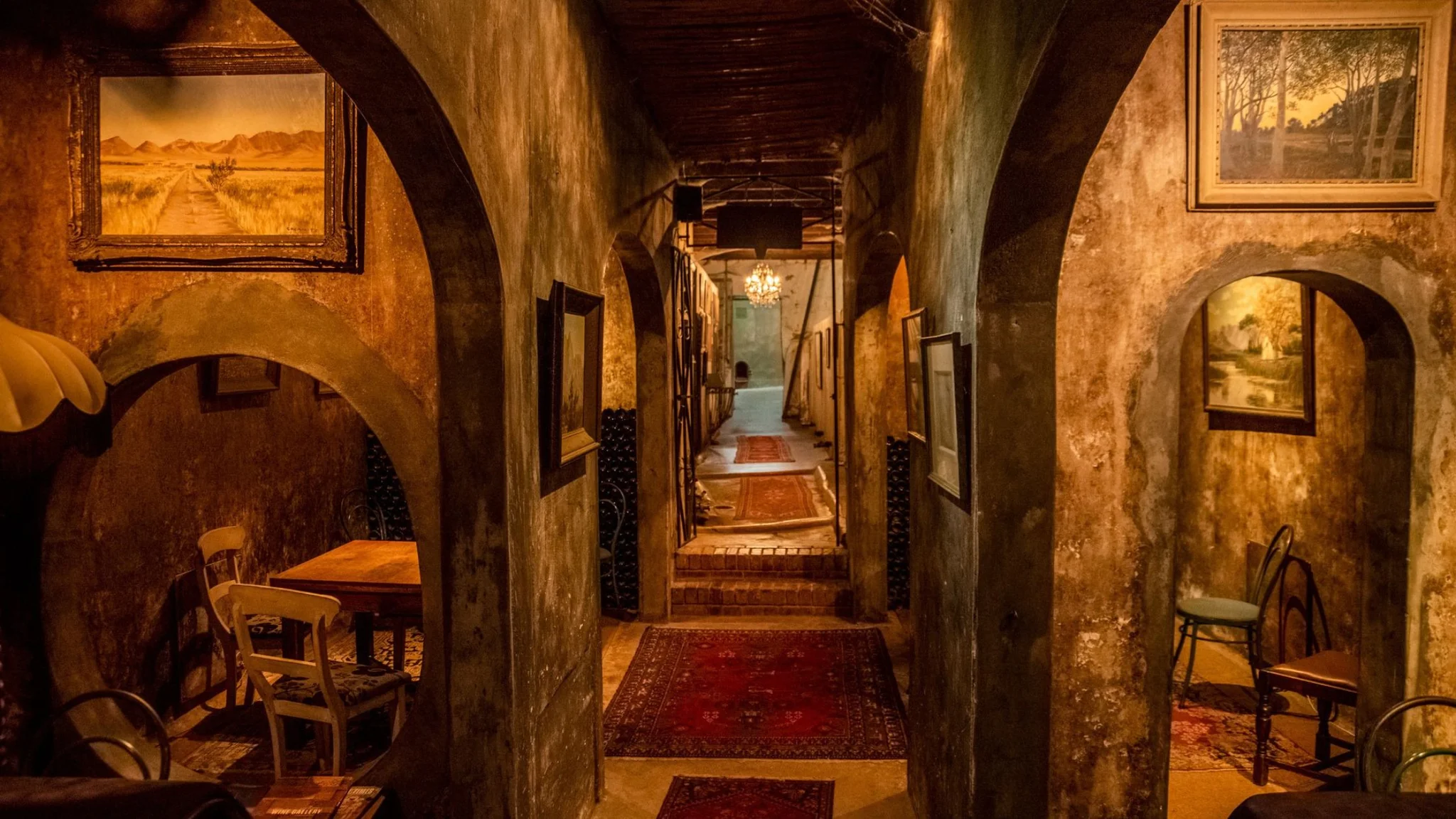
Stepping into Muratie is like stepping into a living museum. Dating back to 1685 — when Governor Simon van der Stel granted the land to German soldier Laurens Campher — Muratie is one of the oldest wine estates in South Africa. Today, it is under the stewardship of Rijk Melck and his wife, Kim, who have purposefully preserved the antique character of the estate, keeping the tasting room exactly as the Melck family found it in 1987: cobwebs, stained-glass windows, and all.
The Wine: Every wine in Muratie’s portfolio is named after a historical figure associated with the farm. The flagship Ansela red blend honours Ansela van de Caab — the freed slave who married the estate’s first owner, Laurens Campher — and is one of the most story-rich bottles in the Cape Winelands. The estate is also notable for being the site where Pinot Noir was first planted in South Africa.
The Experience: The tasting room is globally recognised for its ancient cobwebs, original artwork by former owner George Paul Canitz, and rustic wooden counters. It is an intimate, storytelling-driven environment unlike anything else in Stellenbosch.
5. Brenaissance Wine Estate — Devon Valley
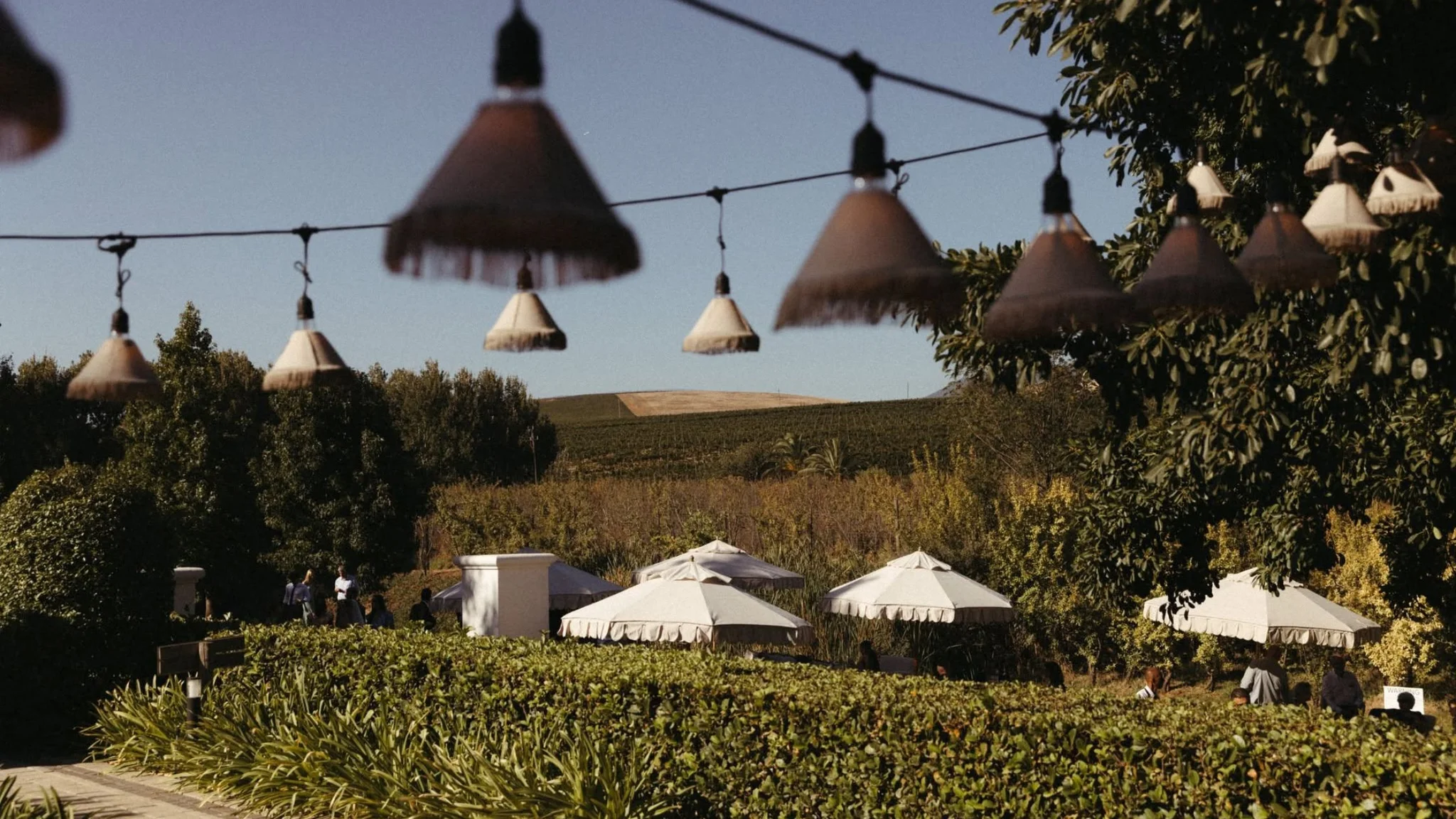
If you want to see how modern boutique estates are evolving, Brenaissance is a compelling example. Owned and operated by Tom and Hayley Breytenbach, this Devon Valley property has been reimagined into a contemporary lifestyle estate focused on full-bodied wines and vibrant social dining.
The Wine: The Breytenbachs specialise in bold, single-vineyard Syrah and Cabernet Sauvignon, expressing the intense heat and rich clay soils of the valley floor.
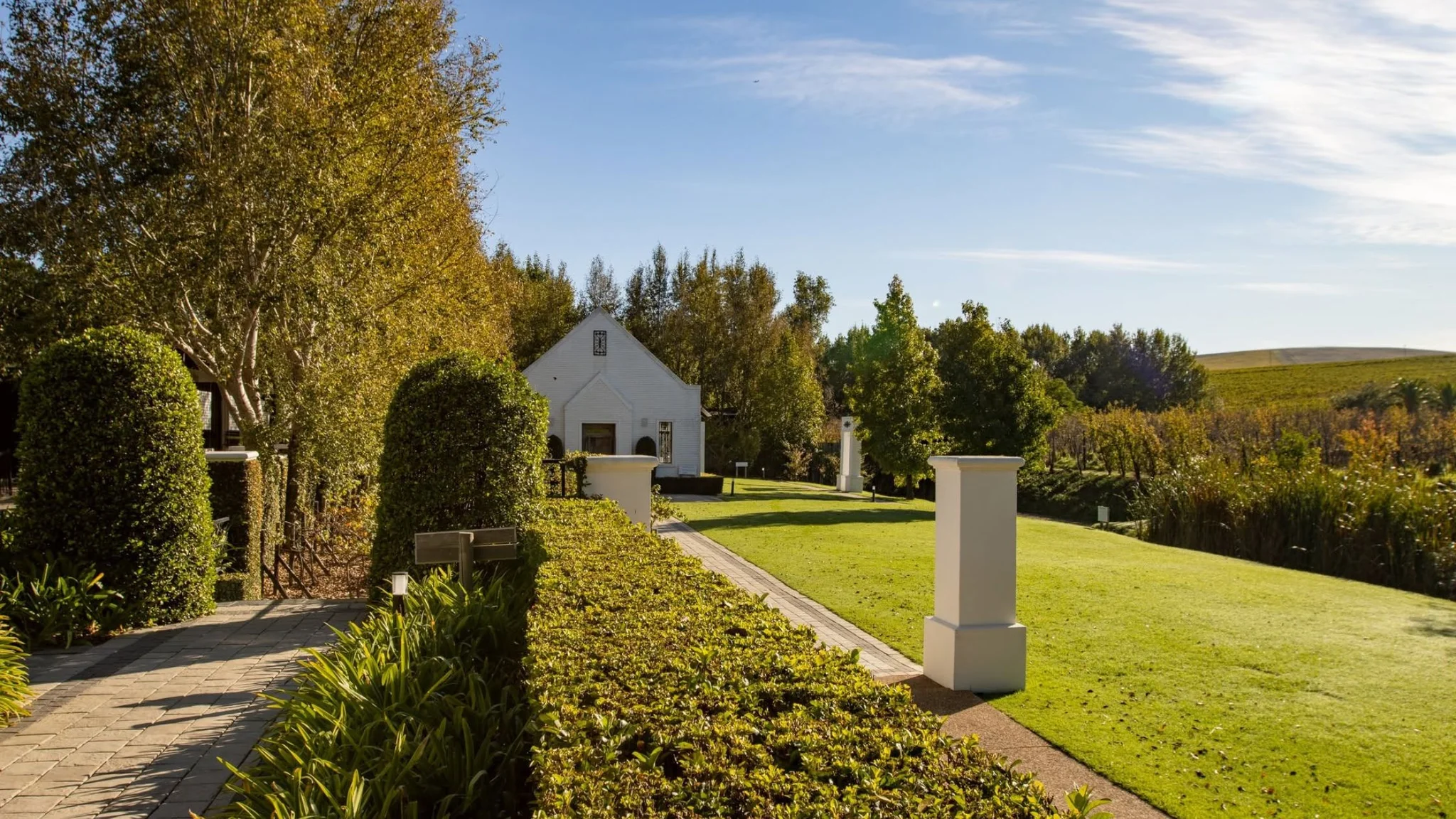
The Experience: Brenaissance pairs its boutique tasting experience with a family-friendly pizzeria overlooking manicured green lawns and a tranquil river setting. Premium accommodation chalets on-site make it an ideal multi-day base in the heart of the Stellenbosch winelands.
How to Plan Your Boutique Itinerary
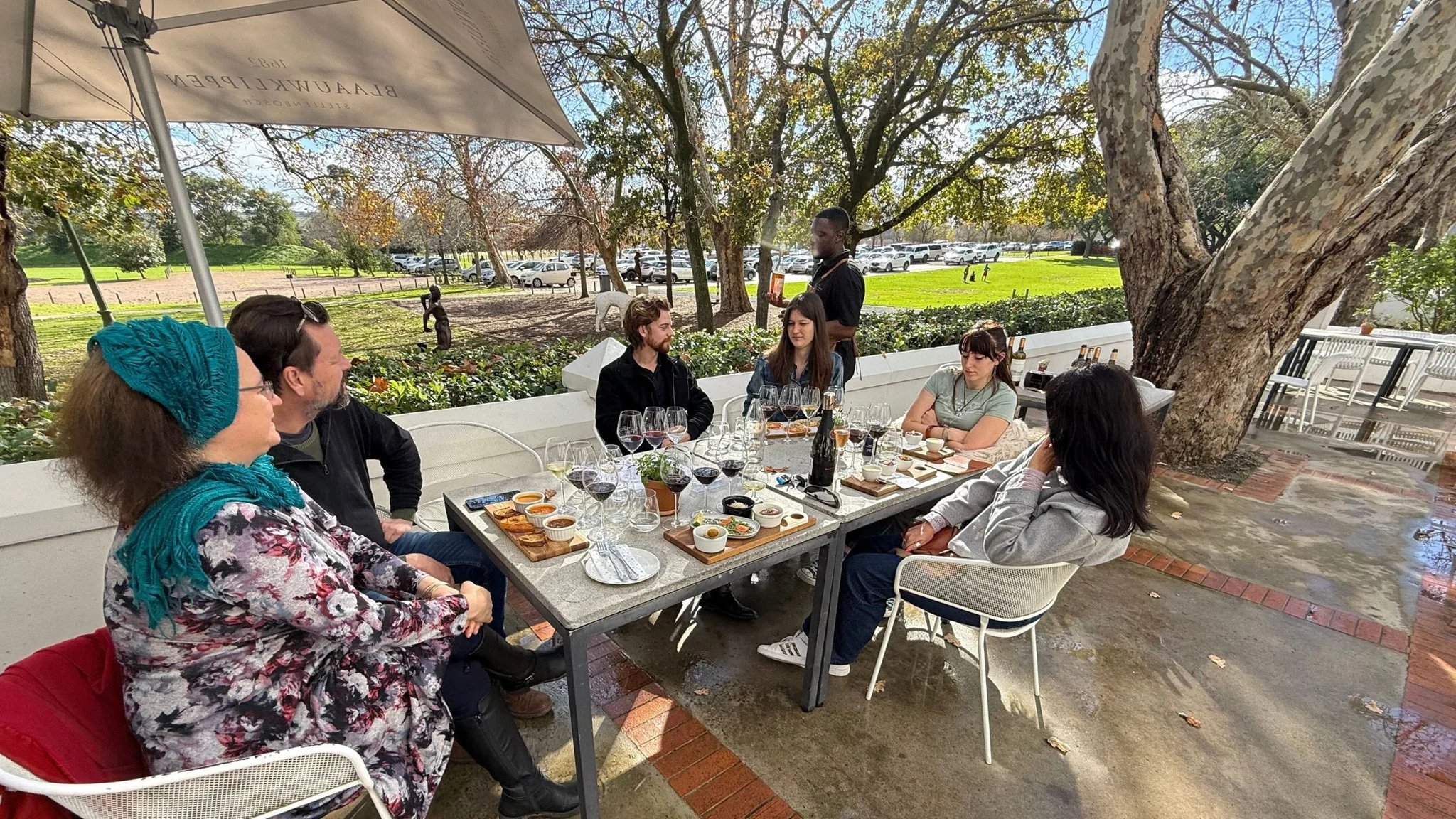
When visiting family-run estates, timing matters. Smaller tasting rooms fill quickly during peak summer weekends, and most require booking.
To maximise your day, reserve delicate white wine tastings — such as Jordan or Delheim — for the cooler morning hours. Save the rich red blends and hearty open-fire lunch experiences, like the Middelvlei Boerebraai, for a long, relaxed afternoon.
For a seamless guided experience across these estates, explore our Stellenbosch Wine Tours — we specialise in boutique, off-the-beaten-path farm curation with private and small-group options.
Frequently Asked Questions
What makes a boutique winery different from a commercial wine estate?
Boutique wineries typically produce smaller volumes, are family-owned and operated, and offer more personalised tastings — often poured by the winemaker or a family member. In Stellenbosch, boutique estates like Muratie, Middelvlei, and Brenaissance offer experiences that larger commercial estates simply cannot replicate.
Which Stellenbosch boutique winery is best for families?
Middelvlei is the most family-friendly option, with a children’s menu, farm animals, a sandpit, and open lawns. Brenaissance is also well-suited to families with its outdoor pizzeria and relaxed setting.
Do I need to book in advance at these estates?
Yes. All five estates recommend bookings, particularly for lunch experiences and tasting sessions. Middelvlei requires a booking for the Boerebraai — contact them on +27 21 883 2565 or info@middelvlei.co.za.
Which estate has the most historic tasting room?
Muratie, dating to 1685, has the most historically significant tasting room in Stellenbosch — kept entirely unchanged since the Melck family took stewardship in 1987, cobwebs included.
Can I visit multiple boutique estates in one day?
Yes, particularly if combining Devon Valley estates like Middelvlei and Brenaissance, which are within minutes of each other. A guided wine tour takes care of the logistics of self-driving and lets you cover more ground comfortably.