If you’re planning a Cape Town trip and trying to pin down when to build in a Winelands day, the honest answer is: there isn’t a bad month. What changes is what kind of day you’ll get — golden, crowded, and hot in January; quiet, crisp, and cellar-focused in June. The right month depends on what you actually want out of the visit.
This guide breaks the year down realistically, month by month, so you can match your trip dates to the experience you’re after — whether that’s harvest season energy, wildflower spring, or a fireside winter tasting with the crowds gone.
WhatsApp us with any questions: +27 72 222 6640
The short answer
If you want one recommendation: late summer into early autumn — February to April — is the sweet spot. Temperatures ease off from January’s peak heat, harvest is in full swing at most estates, the light turns golden in the afternoons, and the crowds thin out slightly after the December–January rush. It’s the stretch locals themselves tend to recommend.
That said, every season in the Cape Winelands has a genuine case for it. Here’s the month-by-month breakdown.
Summer: December – February
Weather: Hot, dry, sunny. Daytime highs regularly reach the high 20s to mid-30s °C (mid-80s to low 90s °F), with almost no rain.
What it’s like: This is peak season, and it shows. Estates are busy, restaurants need to be booked ahead, and accommodation rates climb. In exchange, you get long, warm days, lively tasting rooms, and the best conditions for combining a wine tour with outdoor lunches on estate lawns. January is typically the hottest month, so pack sun protection and expect the heat to be a real factor by midday — mornings and late afternoons are the more comfortable tasting windows.
Good for: First-time visitors who want the classic postcard version of the Winelands, and travellers who don’t mind sharing tasting rooms with other guests.
Worth knowing: December is also the busiest month of the year in Cape Town generally, with accommodation and popular restaurants booking out well in advance. If you’re set on a December trip, lock in your wine tour and any sought-after lunch reservations early.
Harvest season: February – April
Weather: Warm days, cooling gradually through March and April, with the first light autumn rain by April.
What it’s like: This is the working heart of the wine year. Grapes are picked, crushed, and fermented, and many estates open their cellars to show visitors what’s actually happening rather than just pouring finished wine. If you want to see winemaking in motion — pickers moving through the rows at sunrise, the smell of fermenting juice in the cellar — this is the window. Our Harvest Season Wine Tour runs specifically for this period.
Good for: Wine-curious travellers who want more than a tasting — people who want to understand how the wine gets made, not just drink it.
Worth knowing: Exact harvest timing shifts year to year depending on weather, but late January through April is the reliable window across the Cape.
Early autumn: March – April
Weather: Warm days without summer’s intensity, cooler evenings, occasional light rain by April.
What it’s like: Many people who know the Winelands well quietly consider this the best stretch of the year. The heat has broken, harvest is still active into March, the crowds have thinned from summer’s peak, and the light in the afternoons is particularly good for photos. Vineyards start turning colour toward the end of April, adding a proper autumn palette to the hillsides.
Good for: Repeat visitors, photographers, and anyone who wants summer-adjacent weather without summer’s crowds or heat.
Late autumn: May
Weather: Cooler, with rainfall increasing — the wet season is starting to establish itself.
What it’s like: A genuine shoulder month. Estates are quieter, tasting rooms move indoors, and there’s a cosier, more intimate feel to the whole region. Not the postcard version of the Winelands, but a good option if your travel dates are fixed and May is what you’ve got — you’ll still get excellent wine and far more one-on-one time with pourers and guides.
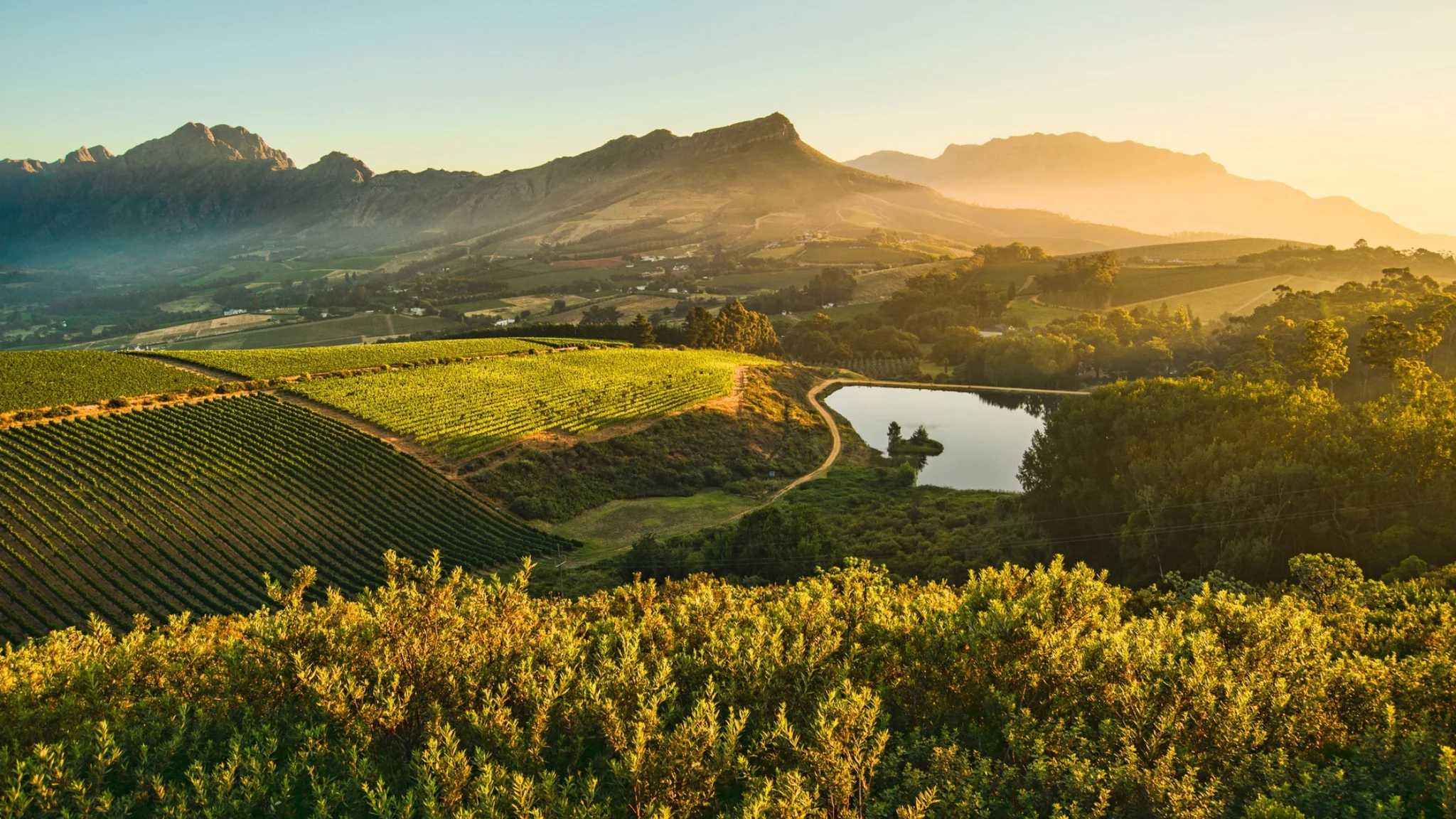
Winter: June – August
Weather: Cold and wet by Cape standards, with the heaviest rainfall of the year — June is typically the wettest month. Daytime temperatures generally sit between 15–20°C (60–68°F), with cold mornings and the occasional light snow dusting on the highest surrounding peaks.
What it’s like: This is the Winelands at its quietest and, for many locals, most atmospheric. Fewer tourists, log fires in tasting rooms, and a slower pace overall. Rain can affect outdoor elements of a tour, but tastings, cellar tours, and indoor lunches carry on regardless. It’s also when several estates run their own winter wine and food festivals, leaning into the cosy-cellar version of the experience.
Good for: Budget-conscious travellers (accommodation and flights are typically cheaper), and anyone who prefers a quieter, more personal tasting experience over the summer crowds.
Worth knowing: This is genuinely a good time to visit if your priority is the wine and the conversation rather than long lunches on sunny lawns. Bring a jacket and don’t expect much outdoor time between estates.
Spring: September – November
Weather: Mild and increasingly warm, with a mix of sun and the last of the winter showers early on, drying out through October and November.
What it’s like: The Winelands wake up. New growth appears on the vines, wildflowers bloom across the region, and the crowds haven’t yet built up to summer levels. September is often cited as the best month for visiting if avoiding crowds is a priority, while October and November offer genuinely pleasant weather without the heat of peak summer.
Good for: Travellers who want warm-but-not-hot conditions and a good balance between lively atmosphere and manageable crowds — arguably the most underrated stretch of the year.
| Season | Months | Best For |
|---|---|---|
| Summer | December – February | First-time visitors, warm outdoor lunches, lively atmosphere |
| Harvest season | February – April | Seeing winemaking in action, cellar activity |
| Early autumn | March – April | The overall sweet spot – warm, quieter, great light |
| Late autumn | May | Quiet estates, cooler days, flexible travel dates |
| Winter | June – August | Cosy fireside tastings, lower prices, fewer crowds |
| Spring | September – November | Mild weather, wildflowers, manageable crowds |
Ready to plan your visit?
Whatever month you’re travelling, we run tours year-round across Stellenbosch, Franschhoek, and Constantia — and we’ll help you pick the right estates and pace for the season you’re visiting in.
Frequently Asked Questions
What is the single best month to visit the Cape Winelands?There’s no single answer, but February and March come up most often — warm weather, an active harvest, and slightly thinner crowds than in December and January.
When is harvest season in the Cape Winelands?Roughly late January through April, varying by year depending on weather. February and March are typically the most active harvest months.
Is it worth visiting the Winelands in winter (June–August)?Yes, if you’re after a quieter, more intimate experience. Rain and cooler temperatures limit outdoor time, but tastings, cellar tours, and indoor lunches continue as normal, and several estates lean into the season with fireside tastings and winter food and wine festivals.
December and January, coinciding with South African summer holidays and peak international travel season. Book tours and restaurant tables in advance if travelling then.
Yes — especially for private tours and popular estates. Booking a few days ahead (longer in December/January) gives you the best chance of your preferred date and estate lineup.