

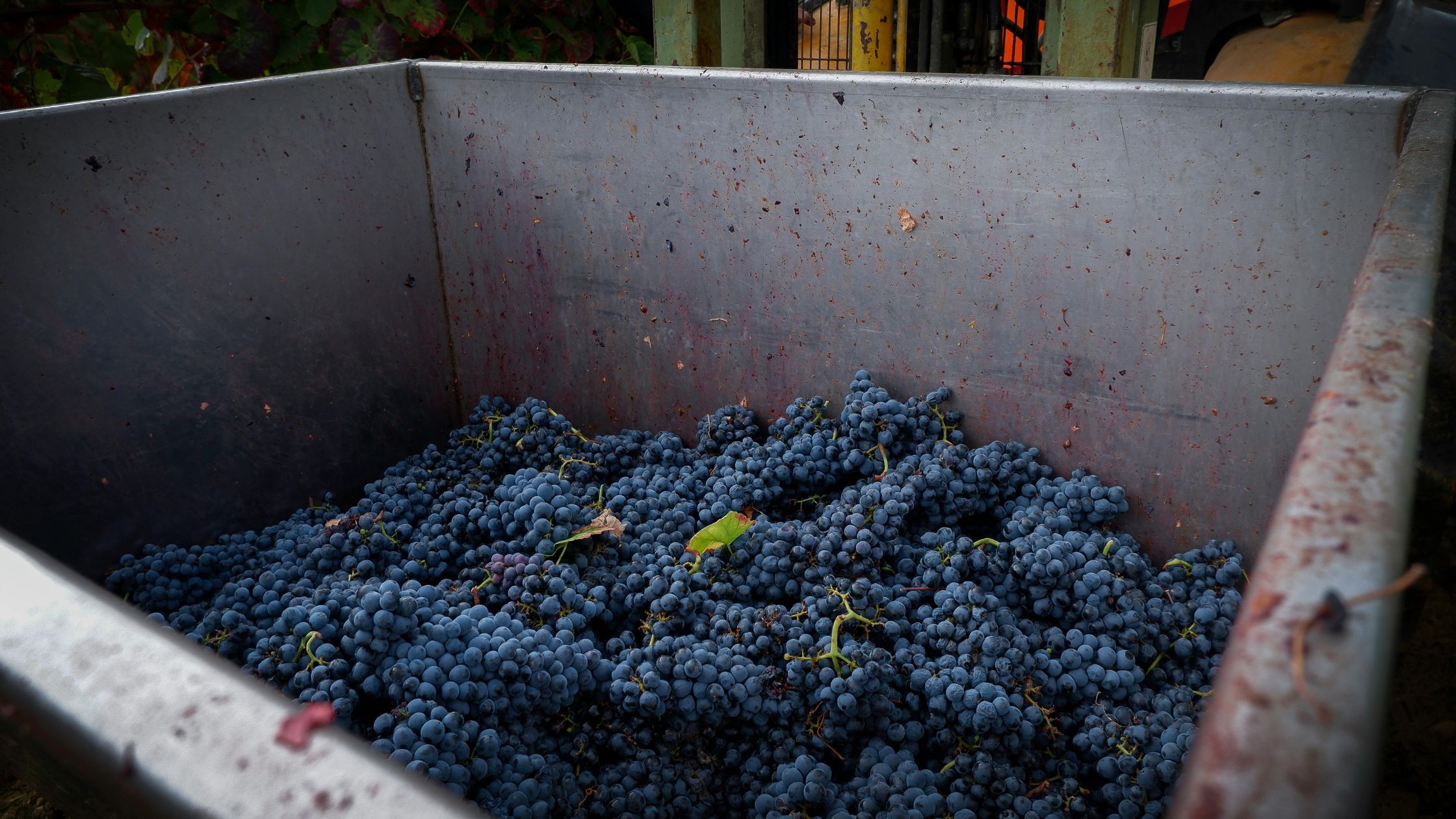
Sustainable Winemaking Farms in the Cape Winelands
The Cape Winelands is not only home to some of the most celebrated wines in the world — it is also leading the way in sustainable winemaking farms. From the rolling vineyards of Stellenbosch and Franschhoek to the coastal terroirs of Elgin and Hemel-en-Aarde, winemakers across the region are embracing eco-conscious practices to protect the land, conserve resources, and craft wines that reflect a deep respect for the environment.
In this post, we explore what sustainable winemaking means in South Africa and highlight some of the estates setting the benchmark for responsible wine production.

What is Sustainable Winemaking?
Sustainable winemaking refers to the environmentally responsible, socially equitable, and economically viable production of wine. It involves:
- Reducing water and energy usage
- Minimising chemical inputs in the vineyard and cellar
- Preserving biodiversity and soil health
- Supporting fair labour practices
- Lowering carbon emissions and packaging waste
In South Africa, many wine farms are certified by organisations such as IPW (Integrated Production of Wine) and WWF Conservation Champions, ensuring compliance with rigorous sustainability standards.
Why It Matters in the Cape Winelands
The Cape is a biodiversity hotspot and home to the Cape Floral Kingdom, one of the richest floral regions on Earth. Winemakers here are not only stewards of the vine — they are custodians of the land. As climate change and resource pressures grow, sustainable practices are essential for protecting the region’s long-term agricultural future.
Consumers are also increasingly seeking wines that are ethically and sustainably produced. South African wineries are responding with innovation, transparency, and a renewed focus on environmental care.

Practising Sustainable Winemaking Farms
1. Spier Wine Farm – Stellenbosch
Spier is one of South Africa’s most progressive wine farms, recognised for its dedication to organic farming, water conservation, solar energy, and community development. Wastewater is recycled and reused, packaging is lightweight and recyclable, and more than 95% of the farm’s waste is diverted from landfill.
2. Boschendal – Franschhoek
With a focus on regenerative farming, Boschendal integrates cattle, chickens, and cover crops into its vineyard ecosystem. The estate supports local food systems, runs on solar energy, and prioritises the health of its soils and waterways.
3. Baleia Wines – Cape South Coast
Baleia is a standout for its focus on low-intervention viticulture and water-wise farming in the dry, windswept region of the Cape South Coast. Wines are crafted with minimal additives, and the estate’s carbon footprint is kept low.
4. Mooiplaas Wine Estate – Stellenbosch
A proud WWF Conservation Champion, Mooiplaas preserves extensive areas of natural fynbos and has established wildlife corridors between its vineyards. Their viticulture practices are low-impact, and they’re deeply invested in conservation education.
5. Waverley Hills – Tulbagh
Certified organic and focused on preserving biodiversity, Waverley Hills has eliminated synthetic pesticides, herbicides, and fertilisers. Their wines are organic, their buildings eco-designed, and their ethos wholly rooted in sustainability.
How Tourists Can Support Sustainable Wine Travel
- Choose certified estates: Look for IPW, Biodiversity & Wine Initiative, or Conservation Champion logos.
- Opt for wine tours that prioritise eco-friendly stops.
- Support estates with fair labour and community programs.
- Reduce your own footprint: Bring reusable bottles, avoid plastic, and recycle where possible.
Final Thoughts
The future of wine lies not just in the bottle, but in the way it’s made. The Cape Winelands is proving that sustainability and excellence can go hand-in-hand — producing wines that are better for the planet, the people, and your palate. Whether you’re a seasoned wine lover or a curious traveller, a visit to the Cape’s sustainable winemaking farms offers not only unforgettable wines, but a deeper connection to the land that grows them.
Interested in visiting South Africa’s greenest wine farms? Let Wine in the Cape curate a private, sustainable wine tour for you.
Contact us at hello@wineinthecape.co.za
Website: www.wineinthecape.co.za

