
Constantia Wine Guide: South Africa’s Oldest Wine Region
Most conversations about Cape wine start in Stellenbosch or Franschhoek. Constantia rarely gets first mention — which is strange, considering it’s the region where South African wine began. Join us and explore our Constantia Wine Guide.
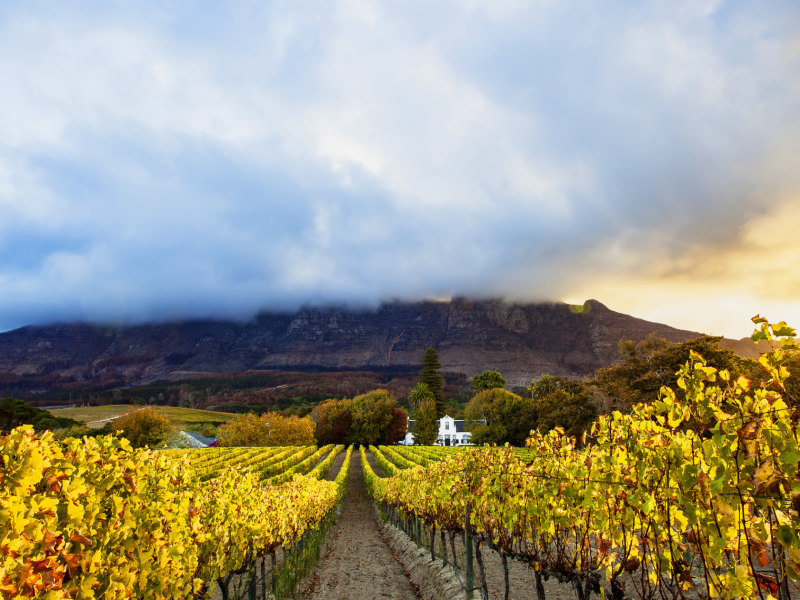
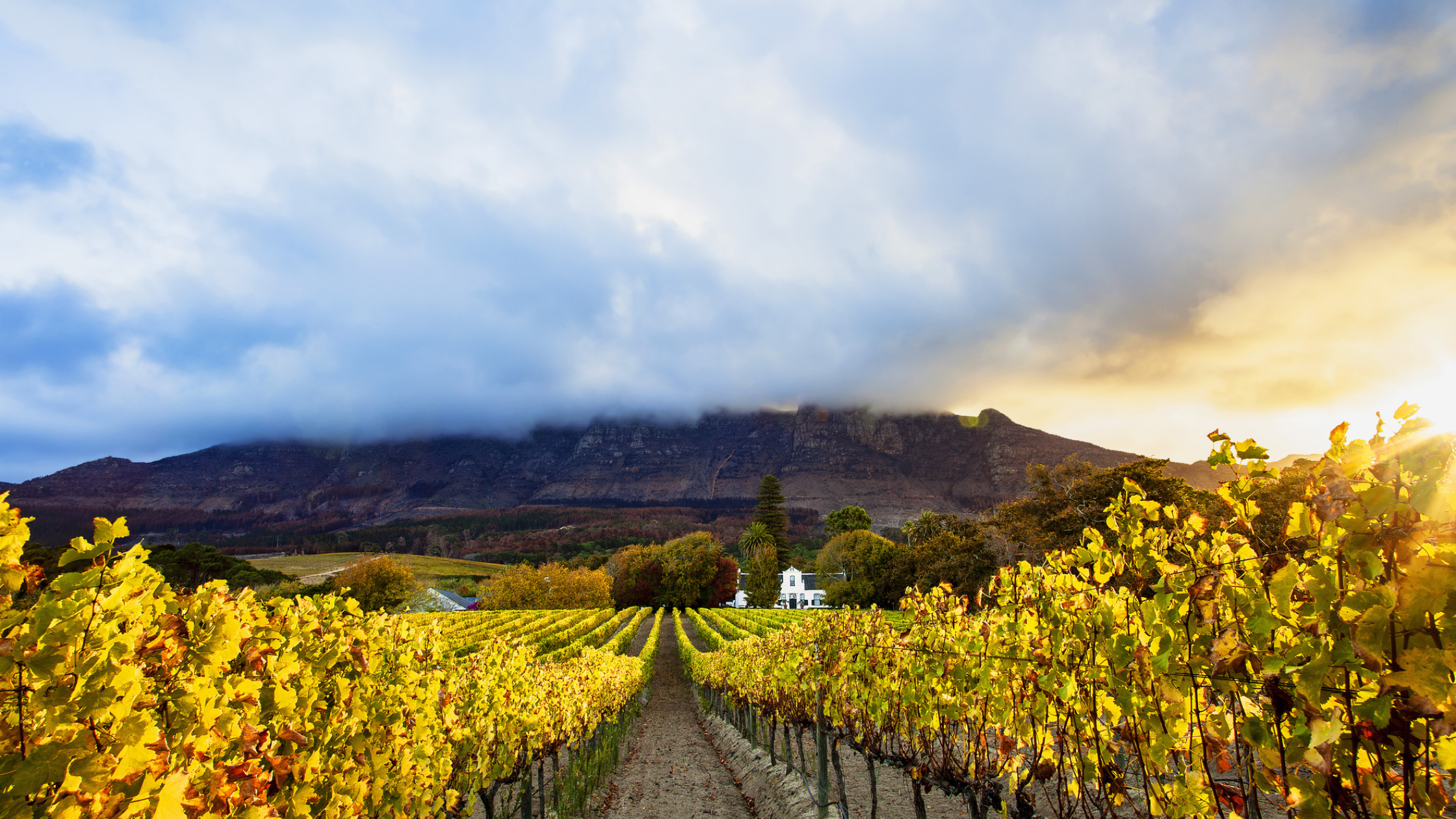
Constantia sits just 20 minutes from central Cape Town, tucked against the eastern slopes of Table Mountain, closer to the city than any other wine region in the Cape. Simon van der Stel, then governor of the Cape, planted the first vines here in 1685. Everything that followed — Stellenbosch, Franschhoek, Paarl, and the rest of the Winelands as we know them today — came after Constantia.
That history is still visible in the valley today, in estates whose cellars and manor houses date back centuries, and in a wine style that made Constantia internationally famous long before most of the rest of the Cape had a reputation at all. Discover this Quick Constantia Wine Guide.
| Attribute | Details |
|---|---|
| Region | Constantia Valley, Cape Town — South Africa’s oldest wine region (established 1685) |
| Known For | Sauvignon Blanc, Vin de Constance dessert wine, historic Cape Dutch estates |
| Distance from Cape Town CBD | Approx. 20 minutes — the closest wine region to the city centre |
| Best For | Visitors short on time, history lovers, and anyone wanting a wine day without leaving Cape Town proper |
| Ideal Visit Length | Half-day, 2–3 estates comfortably |
Where South African Wine Began
Constantia’s origin story is tied to one estate: Groot Constantia, established by van der Stel and still producing wine today, making it the oldest working wine estate in South Africa. From that single farm, the valley’s wine story eventually split into what are now several distinct estates — Klein Constantia, Buitenverwachting, Steenberg, Constantia Glen, and Eagles’ Nest among them — each occupying a piece of what was originally one much larger property.
What makes this history more than a footnote is Vin de Constance, a natural sweet wine made from Muscat de Frontignan grapes that became one of the most sought-after wines in 18th- and 19th-century Europe. Napoleon reportedly requested it during his exile on Saint Helena, and it appears in the writings of Jane Austen and Charles Dickens. Klein Constantia revived the wine in the 1980s, and it remains one of the few South African wines with that kind of documented international pedigree.
A Cooler, Coastal Style of Wine
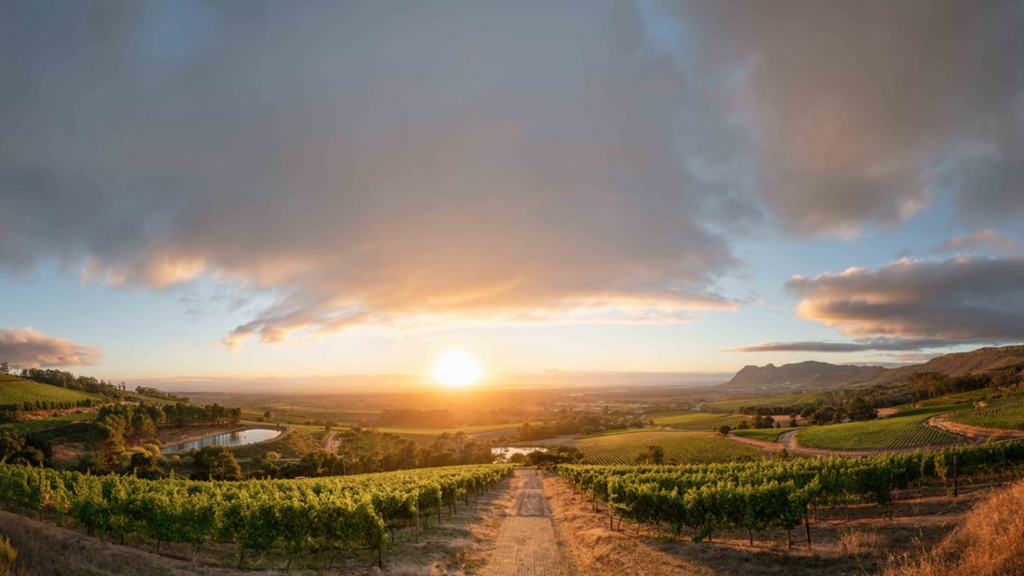
Constantia’s proximity to False Bay and the Atlantic gives it a distinctly cooler, more maritime climate than the inland Winelands — closer in feel to a coastal European wine region than to the sun-baked valleys further out. That climate is a large part of why Constantia has built its modern reputation on Sauvignon Blanc: the cool air and morning mist keep the grapes’ acidity high and their flavours precise, producing wines with more restraint and mineral character than the riper, fruit-forward Sauvignon Blanc styles found elsewhere in the Cape.
If you’re building a tasting day specifically to understand South African Sauvignon Blanc, Constantia is arguably the most instructive place in the country to do it.
Why Constantia Works for a Shorter Day
Because the valley sits so close to central Cape Town, Constantia is the natural choice for visitors who want a genuine wine estate experience without committing to a full day trip out to Stellenbosch or Franschhoek. The estates here are also more tightly clustered than in the larger Winelands regions, meaning two or three tastings, plus lunch, is a realistic half-day rather than requiring an early start.
For travellers staying in the city bowl, Camps Bay, or the Atlantic Seaboard, this makes Constantia one of the easiest wine regions to build into a trip that also includes beaches, Table Mountain, or the Cape Point drive on the same day.
Getting a Feel for the Valley
Beyond tastings, Constantia is also home to one of the more scenic wine walks in the Cape, threading between several of the valley’s historic estates on foot rather than by vehicle — a good option for visitors who want a slower, more active way to experience the region. You can find details on our Constantia Wine Walk page.
Frequently Asked Questions
Simon van der Stel planted the first vines at Groot Constantia in 1685, making it the origin point of South African winemaking. Every other Cape wine region developed afterwards.
Around 20 minutes, making it the closest wine region to the city centre — closer than Stellenbosch, Franschhoek, or Paarl.
Sauvignon Blanc, thanks to the valley’s cool, maritime climate, along with Vin de Constance, a historic sweet wine from Klein Constantia with a well-documented 18th and 19th century reputation across Europe.
Yes — the estates are closely clustered, making two to three tastings plus lunch a comfortable half-day, especially for visitors also spending time elsewhere in Cape Town that day.
More on Constantia and the Cape Winelands
Constantia’s wine-of-origin status and history are documented in more detail by Wines of South Africa, and general visitor information for the region is available via Cape Town Tourism.
Ready to Visit Where It All Started?
Whether you’ve got a full day or just an afternoon, we’ll build a Constantia itinerary that fits your time — tastings, lunch, and a bit of the history that started it all.